
Nigeria’s refining revolution has a monopoly problem
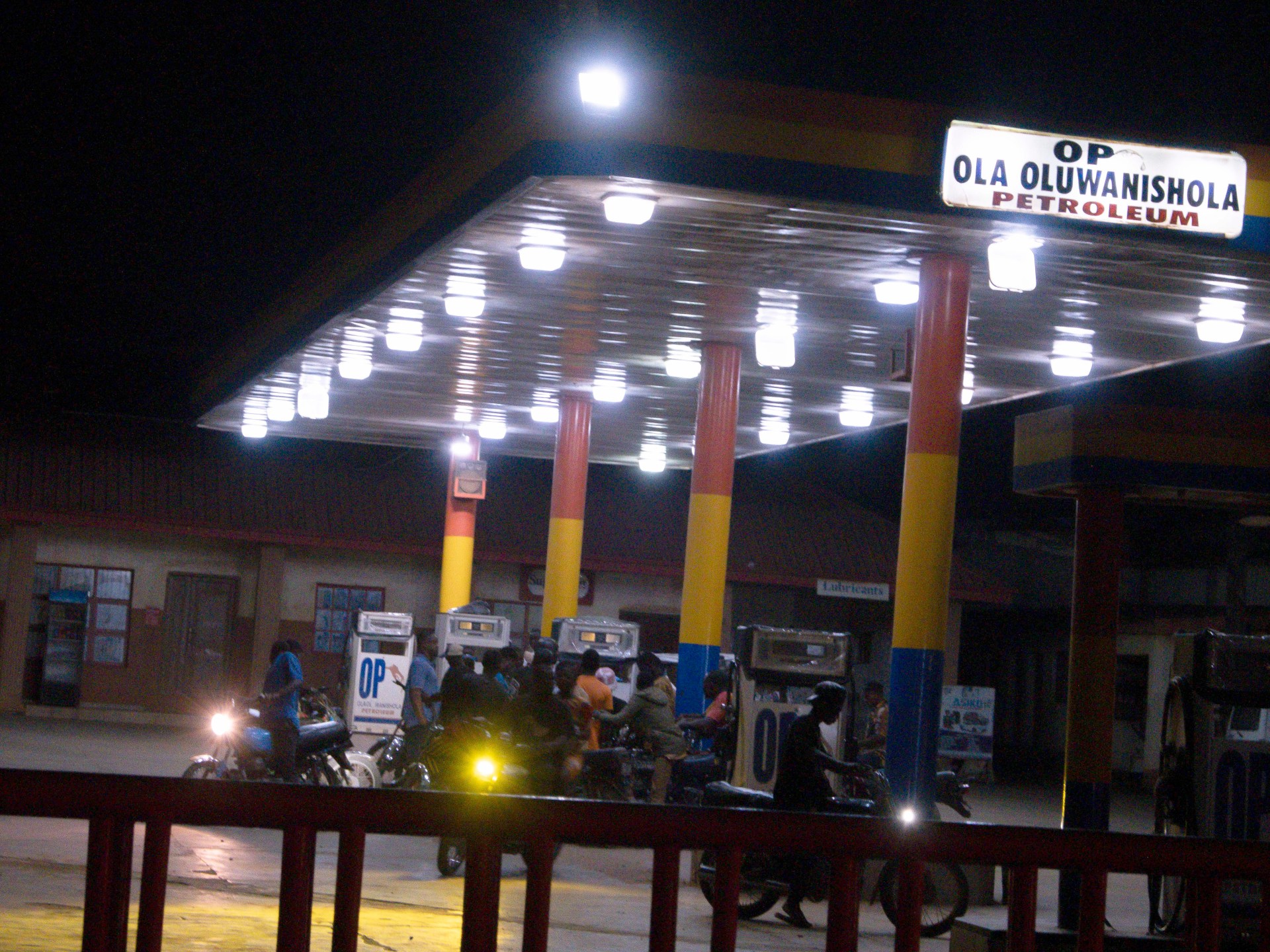
Dangote has slashed fuel imports, but market concentration risks keeping the benefits from common Nigerians. Nigeria marked a major economic milestone on September 14, 2026, with the opening of the initial public offering (IPO) of Dangote Petroleum Refinery, the largest IPO in African history. Located in the Lekki Free Zone in Lagos, the refinery now has a crude-processing capacity of 700,000 barrels per day, up from 650,000, and cost approximately $20bn to build. It was commissioned in May 2023, while production of diesel and jet fuel began in January 2024, followed by the start of petrol supplies to the local market in September that year. At the opening of the IPO, Dangote Group president Aliko Dangote said: “We fully share all our prosperity with the people.
That’s why we call this the ‘People’s IPO’.” Days earlier, as the IPO documents were signed, he had presented the refinery as part of a broader African industrial project: “The refinery means too much to our continent. We can’t industrialise if we don’t have energy security.” The contrast with Nigeria’s state-owned refineries could hardly be starker. While construction of the Dangote Refinery was under way, the government-owned facilities in Port Harcourt, Warri and Kaduna continued to struggle amid allegations of corruption, weak operational capacity, chronic political interference and an overreliance on short-term contracting models.
Source & Attribution
This One Place News story was acquired from aljazeera.com. OPN retains the source link and provenance for newsroom review.
Filed Under
World News