
NFL ball-spotting technology explained: Why tracking chips and Hawk-Eye have limitations
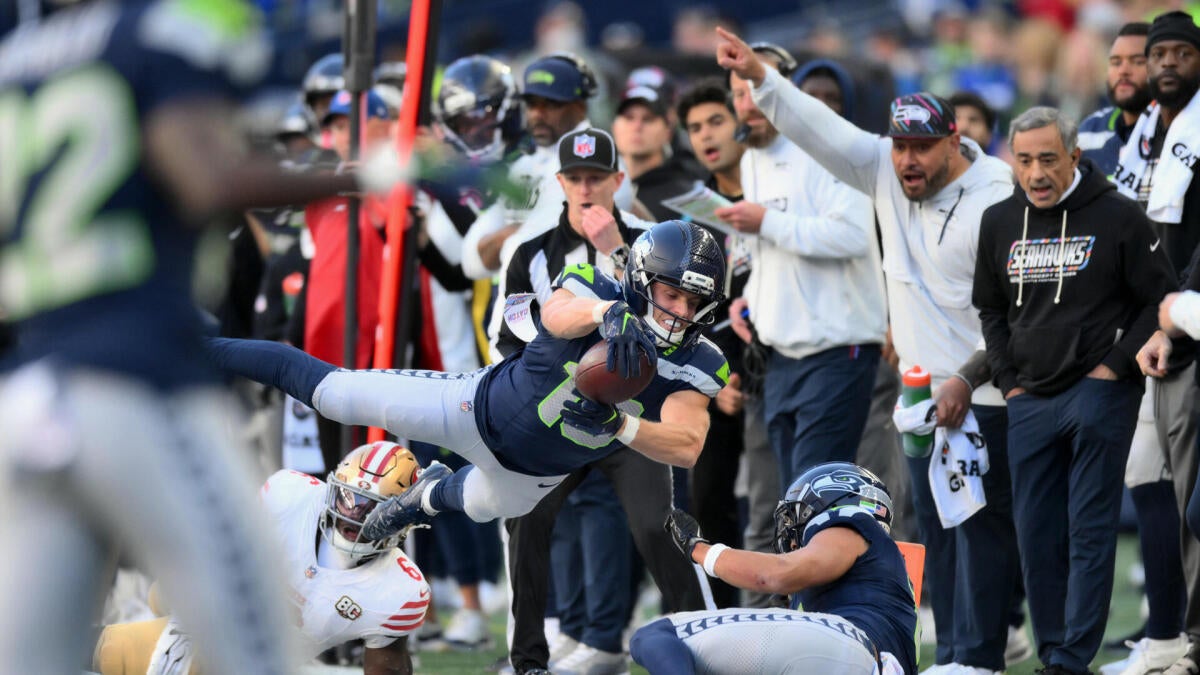
A controversial spot involving Cooper Kupp in the Seahawks’ loss to the 49ers highlighted the limitations of the NFL’s RFID chips
NFL footballs contain tracking chips, but a six-inch margin of error and obstructed camera views prevent the league from using technology to determine every spot. The mantra that football is "a game of inches" rang true in Week 5 when the Seattle Seahawks fell just short of an opportunity to tie or take a late lead against the San Francisco 49ers. A close call on the game's decisive play gave new life to the question of why the NFL cannot use technology to spot the ball, because human error might have been the difference between the Seahawks staying alive or falling to their NFC West rival in the 32-29 defeat.
Seattle, trailing by three points, faced a fourth-and-10 from midfield with 54 seconds to play in the game. Sam Darnold completed a pass to Cooper Kupp, who ran towards the 40-yard line and lunged toward the first-down marker as he flew out of bounds. The officials marked Kupp short of the line to gain. The play went to a booth review and stood as called on the field. Seattle had only one timeout remaining, so the 49ers knelt with the ball to drain the clock for their fifth consecutive victory to open the season. The Seahawks were left frustrated with the result of their do-or-die play, as they would have
Source & Attribution
This One Place News story was acquired from cbssports.com. OPN retains the source link and provenance for newsroom review.
Filed Under
Sports