
Glioblastoma breakthrough reveals how brain cancer cells become more aggressive
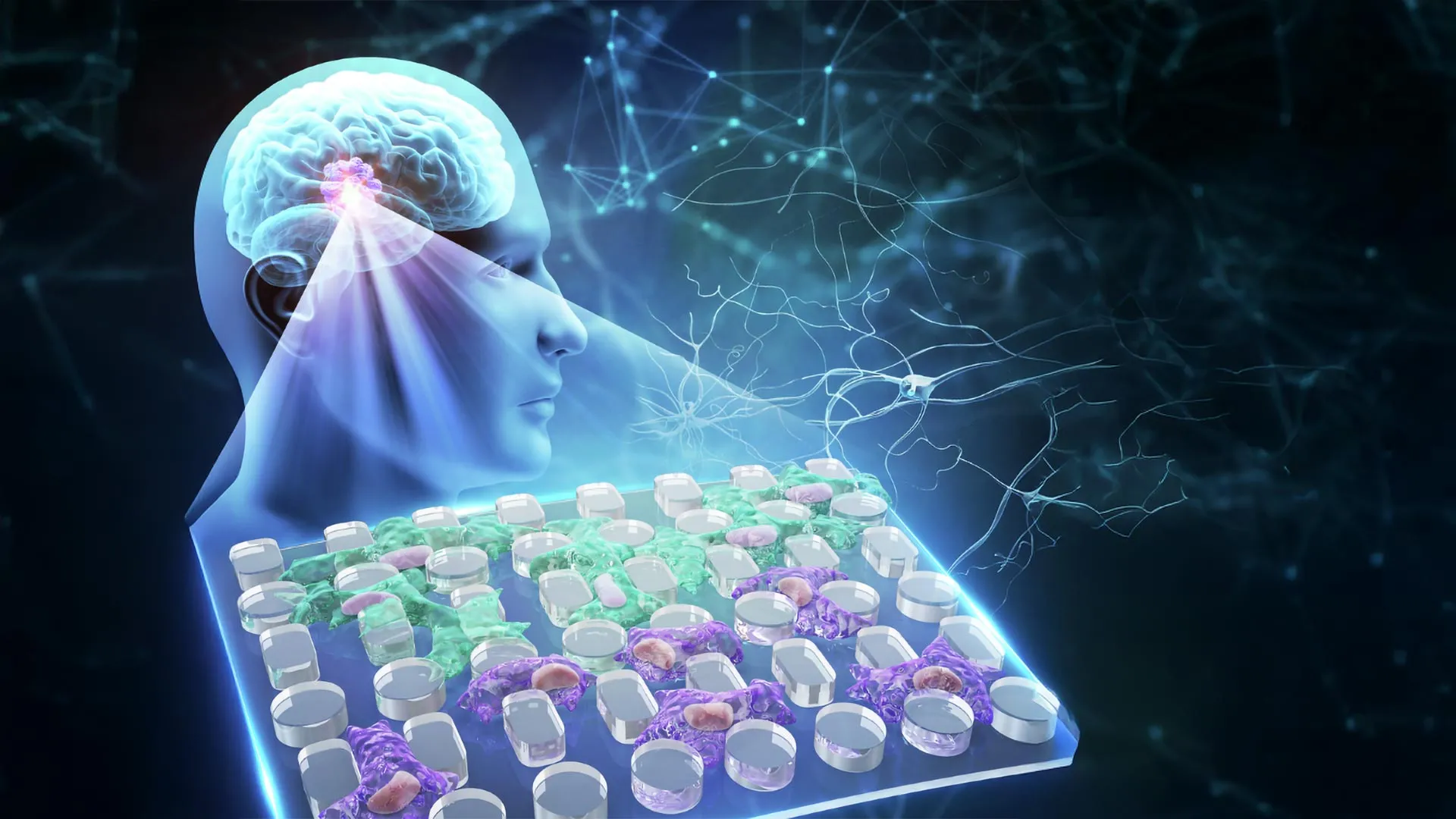
Scientists discovered that the thick, sticky fluid surrounding glioblastoma tumors can make brain cancer cells smaller, more flexible, and better at invading surrounding tissue. Even more troubling, some of these changes persist after the cells leave the thick fluid, revealing a previously overlooked mechanism that could help this deadly cancer spread. Glioblastoma is among the most lethal forms of brain cancer, and scientists have uncovered a surprising factor that may help its cells become more invasive. The fluid surrounding the outer edges of these tumors is much thicker than the fluid near their centers, forcing cancer cells to encounter increasing resistance as they move into healthy brain tissue.
Rather than simply slowing their movement, however, this environment appears to help the cells adapt in ways that make invasion easier. To investigate this unexpected behavior, researchers created an innovative microfluidic chip that recreates the physical conditions encountered by glioblastoma cells. They found that spending extended periods in thick fluid caused the cells to become smaller, more flexible, and better able to squeeze through narrow openings. The discovery suggests that fluid viscosity does more than obstruct cancer cells. It can actively influence their behavior and potentially make them more aggressive. Cancer research has traditionally concentrated on chemical signals and the stiffness
Source & Attribution
This One Place News story was acquired from sciencedaily.com. OPN retains the source link and provenance for newsroom review.
Filed Under
Health & Food