
How OpenAI turned its coding tools into dots, an always-on personal assistant
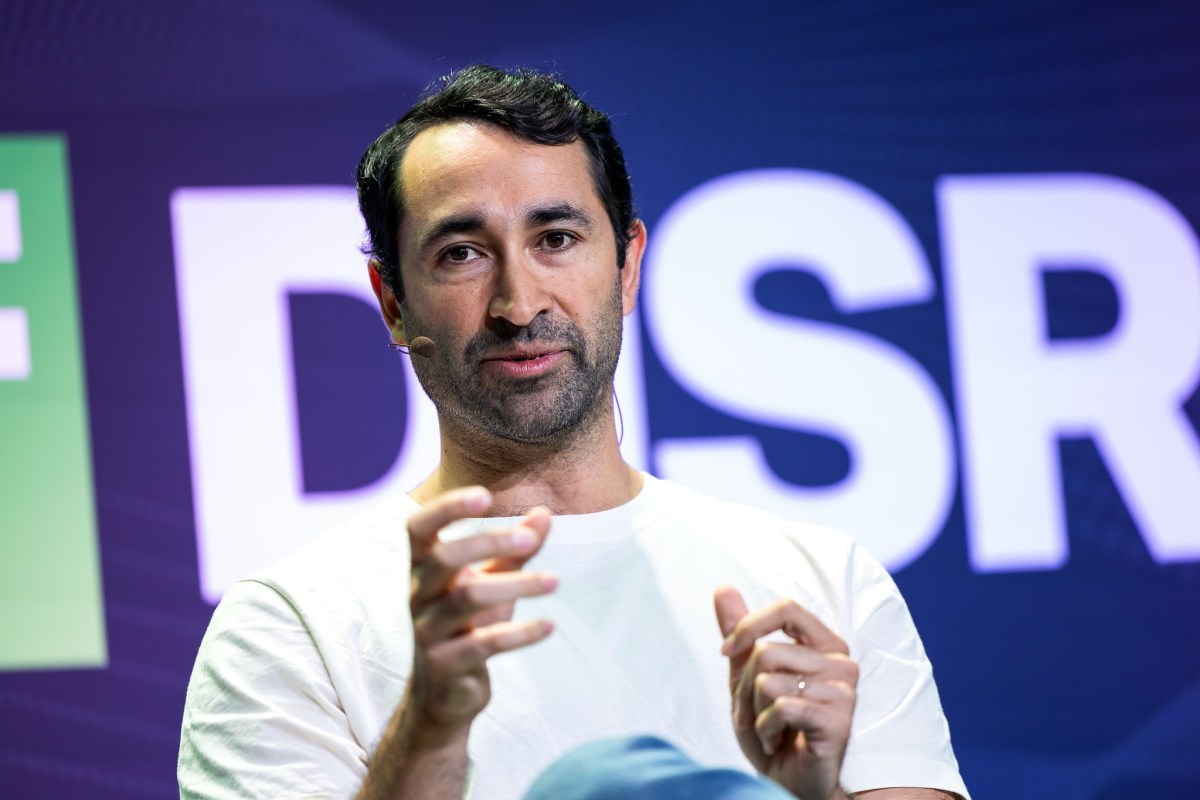
Alexander Embiricos, the OpenAI executive responsible for dots, never wants to have a meeting with someone else's AI agent. The always-on AI personal assistant, which keeps working in the background even when you aren’t asking it to, is this year’s answer to the question of how people will actually use deep learning models. The startup Instinct became an overnight sensation, and Meta put the full force of its marketing behind its assistant, Muse. OpenAI wasn’t going to be left out. The company released dots, its assistant offering, at its developer day in late September. Alexander Embiricos, who leads OpenAI’s enterprise product team, joined us at TechCrunch Disrupt this month to explain where the product came from—starting with the question of why so many companies seem to be turning to cutesy mascots as avatars for their trillion-parameter matrix multiplication machines.
“There’s kind of this convergent evolution happening,” Embiricos said of the efforts to build AI assistants. “As we were working on the product, we realized if we could frame this as, it’s an entity and it’s a single conversation, not many different conversations….it starts to become intuitive.” Embiricos points out that you could achieve much of dots’ functionality with Open AI’s Codex app, its coding tool, released at the beginning of this year. But that requires more work and hand-holding. He
Source & Attribution
This One Place News story was acquired from techcrunch.com. OPN retains the source link and provenance for newsroom review.
Filed Under
Technology & AI