
The Data That Keeps Satellites From Colliding Can Also Help Adversaries Target Them – Jurist.org
The Data That Keeps Satellites From Colliding Can Also Help Adversaries Target Them Jurist.org
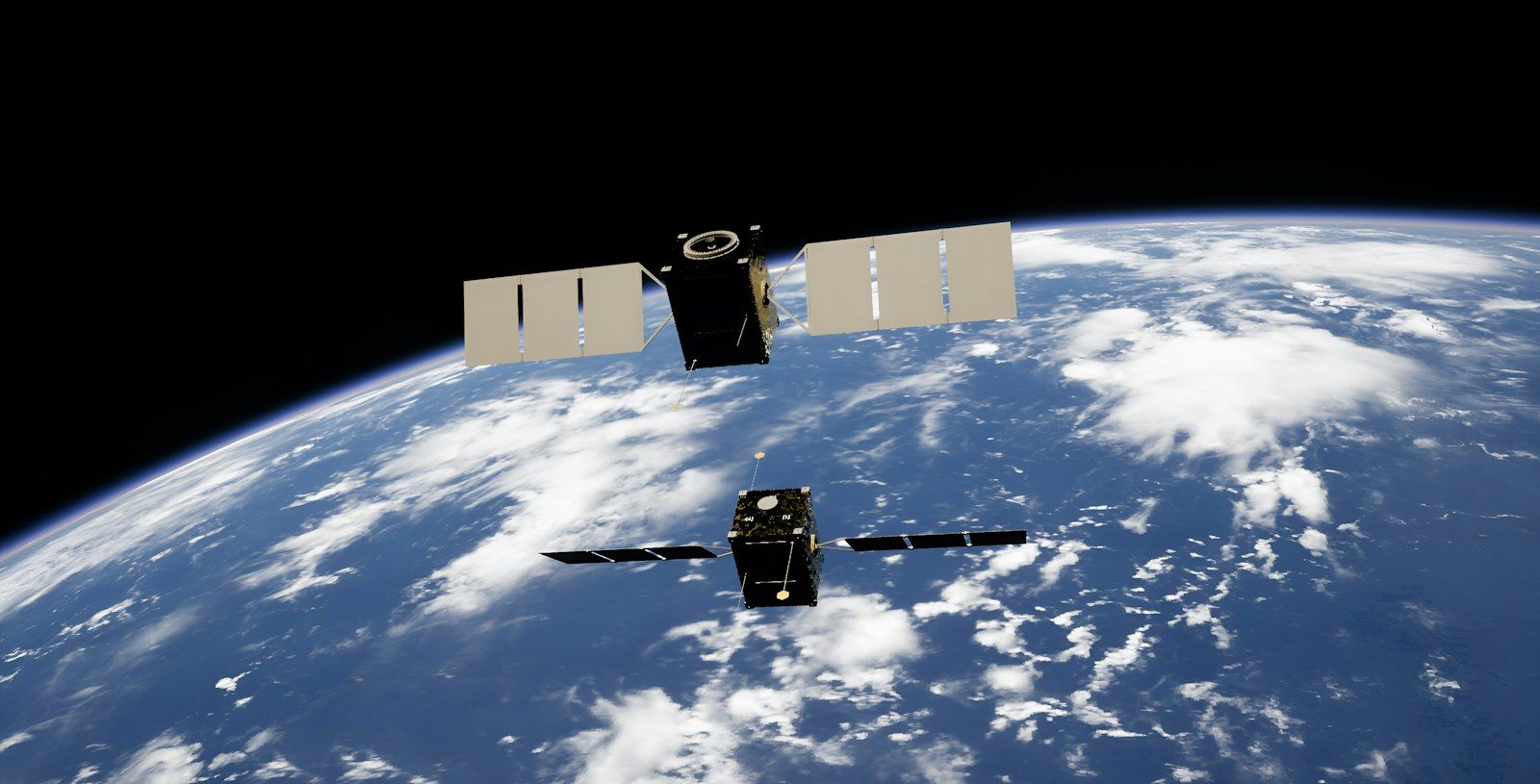
A satellite’s planned maneuver can be both a warning to avoid and a signal to exploit. When a spacecraft operator provides the space safety service with the predicted ephemeris, covariance, and maneuv… A satellite’s planned maneuver can be both a warning to avoid and a signal to exploit. When a spacecraft operator provides the space safety service with the predicted ephemeris, covariance, and maneuver information, the information allows the space safety service to determine whether the maneuver will solve one conjunction problem by creating another. But that same file may reveal operational patterns, including response time, maneuver frequency, and uncertainty management. This dual-use and safety-security tradeoff problem is becoming increasingly important.
In July 2026, the Federal Communications Commission (FCC) adopted new space-licensing rules incorporating expanded space-safety information-sharing requirements. By October, the US Traffic Coordination System for Space (TraCSS) reported 87 pilot user organizations covering more than 11,380 satellites and 12 national government accounts. Meanwhile, the European Commission proposed establishing the European Union Space Services Agency and transferring almost all EU Space Surveillance and Tracking (EU SST) services to it. On October 7, 2026, TraCSS and EU SST published a joint study of operational information exchange, demonstrating that differences in data sources, screening practices, and conjunction-reporting criteria can produce substantially different assessments of orbital events. The study also underscored the importance
Source & Attribution
This One Place News story was acquired from news.google.com. OPN retains the source link and provenance for newsroom review.
Filed Under
Military News