
Why a US-funded vaccine trial on babies was cancelled in Guinea-Bissau
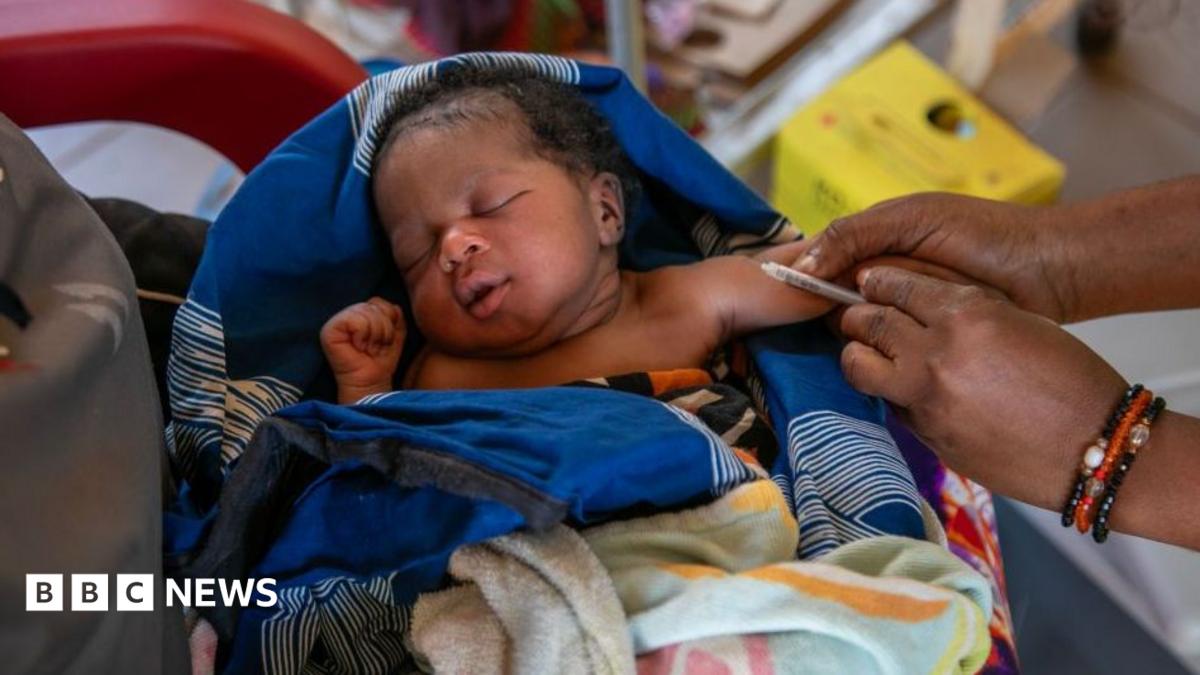
The trial was condemned as "unethical" and "neocolonial" because half of the babies would not be given the vaccine. Like many neighbouring countries, Guinea-Bissau waits until babies are six weeks old to vaccinate them against hepatitis B, while the WHO says it should be done at birth (file photo) A proposed trial of a hepatitis B vaccine on newborn babies in Guinea-Bissau has been cancelled following accusations that the trial was "unethical" and "neocolonial". The trial was funded by the US, under Health Secretary Robert F Kennedy Jr, who has a long record of expressing scepticism about vaccines. Police have seized a batch of vaccines from the research centre at the heart of the controversy.
The proposed trial drew international criticism because it planned to withhold a vaccine recommended by the World Health Organization (WHO) from half of the participating newborns. Some public health experts argued that the proposed trial raised broader questions about whether vulnerable populations in African countries were being asked to take risks that researchers would not accept in wealthier countries. The BBC has asked the US department of health and human services for comment. The study was planned at the Bandim Health Project, a research centre that has operated in Guinea-Bissau since 1978. It was designed to involve 14,000 newborns, with half receiving a hepatitis B
Source & Attribution
This One Place News story was acquired from bbc.co.uk. OPN retains the source link and provenance for newsroom review.
Filed Under
World News