One Place News
The Army is introducing a handheld blood-testing device that can help detect traumatic brain injuries in just 15 minutes, the service announced Tuesday, in a move it says could reduce unnecessary medical evacuation and give frontline providers a more objective way to assess injuries.
The device, known as the i-STAT Alinity, is being fielded to forward units under the 10th Army Air and Missile Defense Command, or AAMDC.
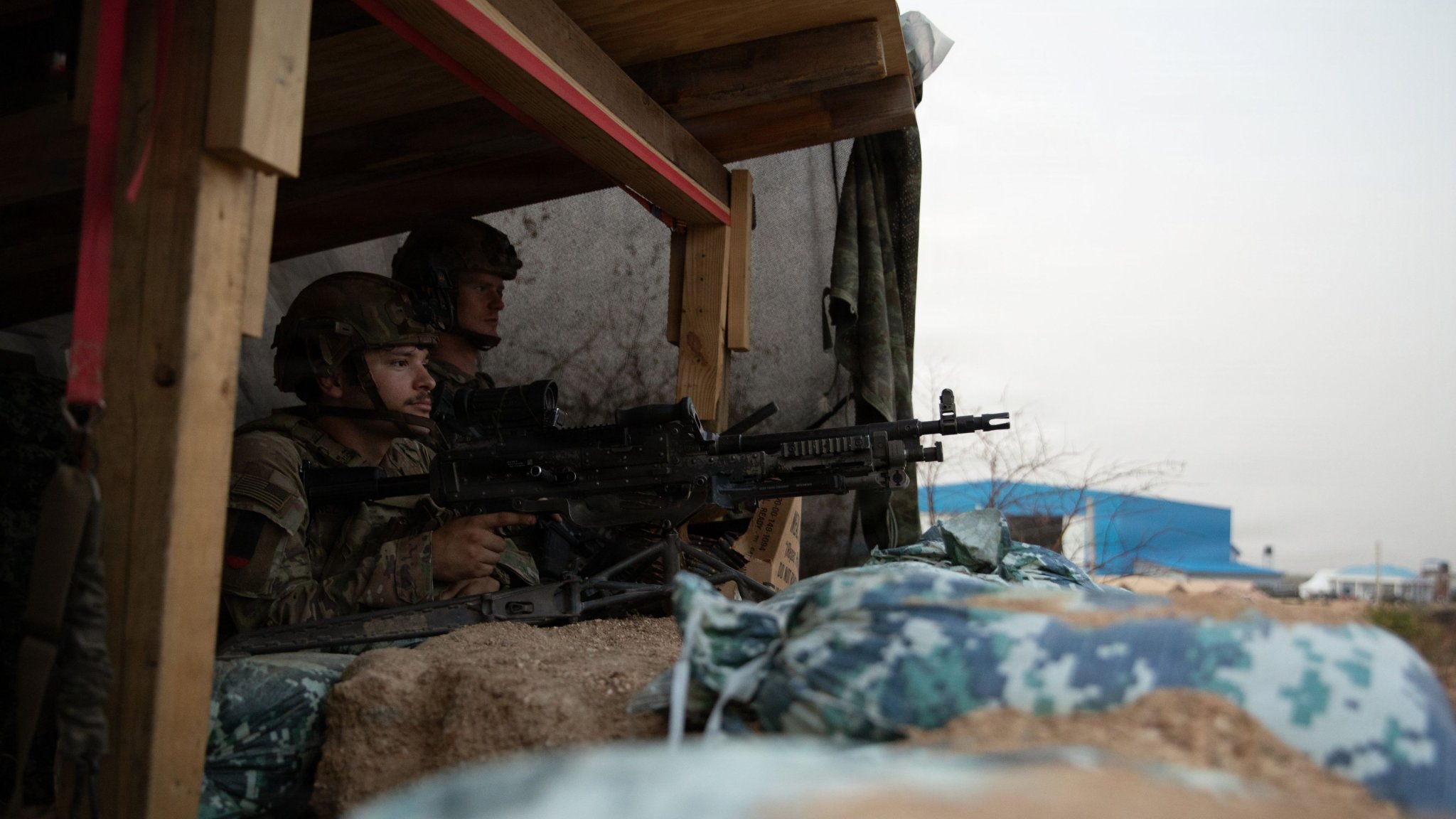
Air defense formations, the Army said, are often performing tasks that demand high mental acuity in environments far from modern medical equipment.
“In Central Command, we’re seeing disproportionately high traumatic brain injury rates in air defense,” Col. Jessica Peck, the command surgeon for the 10th AAMDC, said in a release. “These jobs demand extremely high cognitive performance. Even a mild traumatic brain injury can significantly degrade effectiveness, impacting coordination, emotional regulation, spatial awareness, and decision-making.”
The test works by analyzing a drop of blood for specific proteins that leak through the blood-brain barrier after a traumatic injury.
The protein scores can assist providers in determining if an injured person may need brain surgery or can return to work after a few days of rest. It can provide information to detect injuries up to 24 hours after the trauma.
Previously, military providers tested potential brain injury victims with memory and concentration assessments, a test Peck said could be easily manipulated.
“People can intentionally perform better or worse depending on what they want the outcome to be,” Peck said in the release, adding “a lot of special operations personnel have memorized the word lists, so they can essentially ‘beat’ the test.”
The new test may also reduce medical evacuations, the Army said, as previously patients with potential brain injuries had to be evacuated from austere environments to for testing.
According to the service, 68% of people evacuated from frontline roles for potential brain injuries were returned to duty during the decade-long conflicts in Iraq and Afghanistan.
With the blood test, some evacuations could be prevented, the Army said.
So far, the system has been used in the Middle East and prevented 13 medical evacuations across Central Command from 2021 to 2022, according to the release.
Because the testing cartridges must be refrigerated, the test will be kept at Role 1 care sites.