oneplacenews
So, April 7, 2026. The big question on a lot of people’s minds is, “What exactly happened that day with the ceasefire, and why is it being called a turning point?” In short, on April 7, 2026, a crucial two-week ceasefire was agreed upon, not fully stopping all conflict, but creating a vital pause. This pause was orchestrated through a complex web of diplomatic maneuvering, primarily involving President Trump, Iran, and Pakistan, and it came after a period of intense escalation. While strikes continued in some areas, the agreement opened a window for negotiations on a 10-point peace plan proposed by Iran, a plan that held enough promise to de-escalate tensions. This fragile agreement, born out of threat and mediation, marked a significant shift, offering a glimpse of a potential path toward peace, even amidst ongoing military actions and unresolved issues.
The Immediate Aftermath: Trump’s Deadline and the Pakistani Connection
The events of April 7, 2026, didn’t spring from a vacuum. They were the direct result of a heightened sense of urgency and fear of imminent escalation. President Trump had issued a stern deadline, threatening significant strikes on Iran’s infrastructure. This was a high-stakes gamble, designed to force concessions.
The Initial Threat and the Shift
President Trump initially set a hard deadline for Tuesday night, signaling a readiness to retaliate against Iran by targeting key infrastructure like power plants and bridges. This was not an idle threat; the geopolitical climate was extremely tense, and many believed military action was almost inevitable. The pressure was immense, not just on Iran, but on the entire region.
Pakistani Intermediaries and a Breathing Space
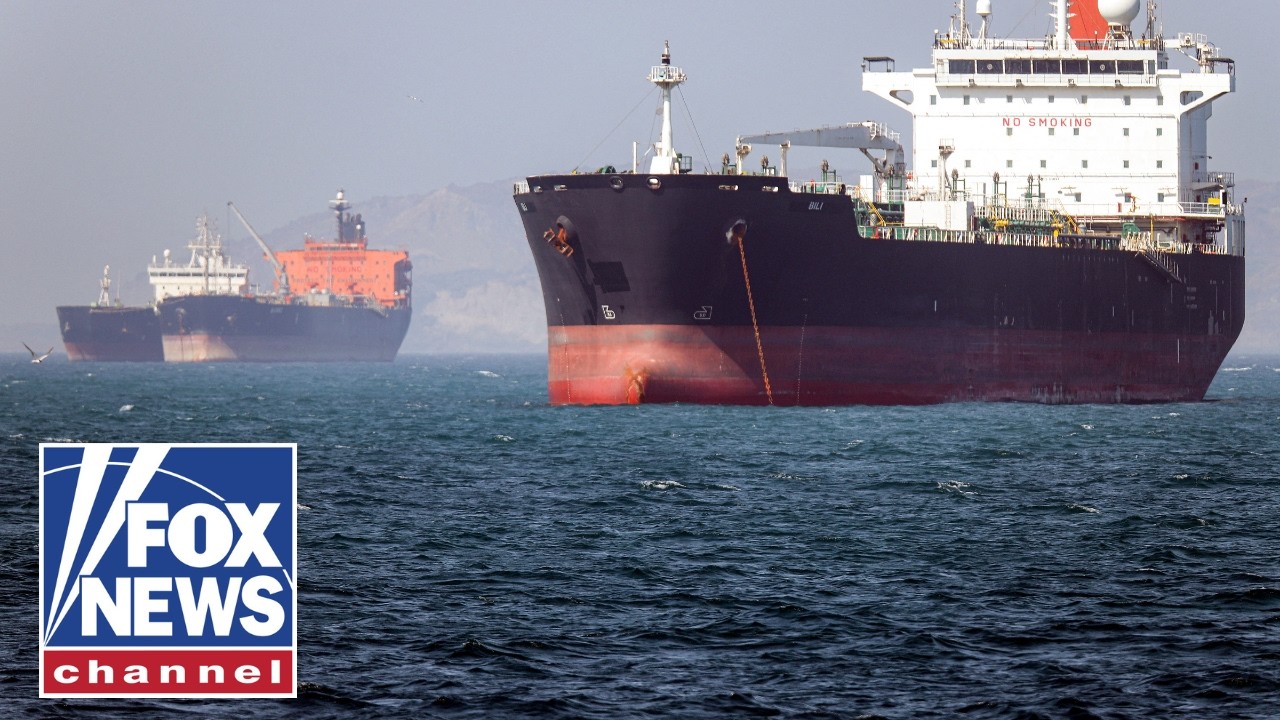
The critical development that pulled the world back from the brink was the extension of negotiations for a two-week ceasefire. This extension was contingent on Iran reopening the Strait of Hormuz. This shift from an immediate strike to a negotiation period was largely facilitated by Pakistan. Their role as intermediaries was crucial, providing a channel for communication and de-escalation when direct dialogue seemed impossible or too inflammatory. Prime Minister Shehbaz Sharif’s direct engagement in urging the U.S. to delay strikes was key.
Iran’s 10-Point Peace Plan: A Workable Basis?
Amidst the high-stakes ultimatums and the looming threat of wider conflict, Iran put forward a diplomatic initiative. This plan, delivered through the Pakistani channels, was the substance of the negotiations and the reason for the ceasefire’s agreement.
The Core of the Proposal
Iran presented a detailed 10-point peace plan. President Trump’s assessment of this plan was pivotal. He described it as having “a workable basis on which to negotiate.” This was significant because it indicated that, at least in the eyes of the U.S. administration, the core issues highlighted in the proposal were not insurmountable and could form the foundation for a lasting resolution.
Points of Contention and Agreement
While the specifics of the 10 points weren’t fully detailed publicly, the reporting suggests that most past points of contention were reportedly agreed upon. This implies a willingness on both sides to compromise on issues that had previously blocked progress. The focus was likely on issues related to regional security, economic sanctions, and spheres of influence, areas that have historically fueled tensions.
Ongoing Military Operations: The Fragility of the Pause
It’s crucial to understand that the April 7, 2026 ceasefire, while a significant diplomatic step, did not mean an immediate end to all hostilities. The reality on the ground remained complex and often violent, highlighting the precarious nature of the truce.
Strikes Continue in Key Areas
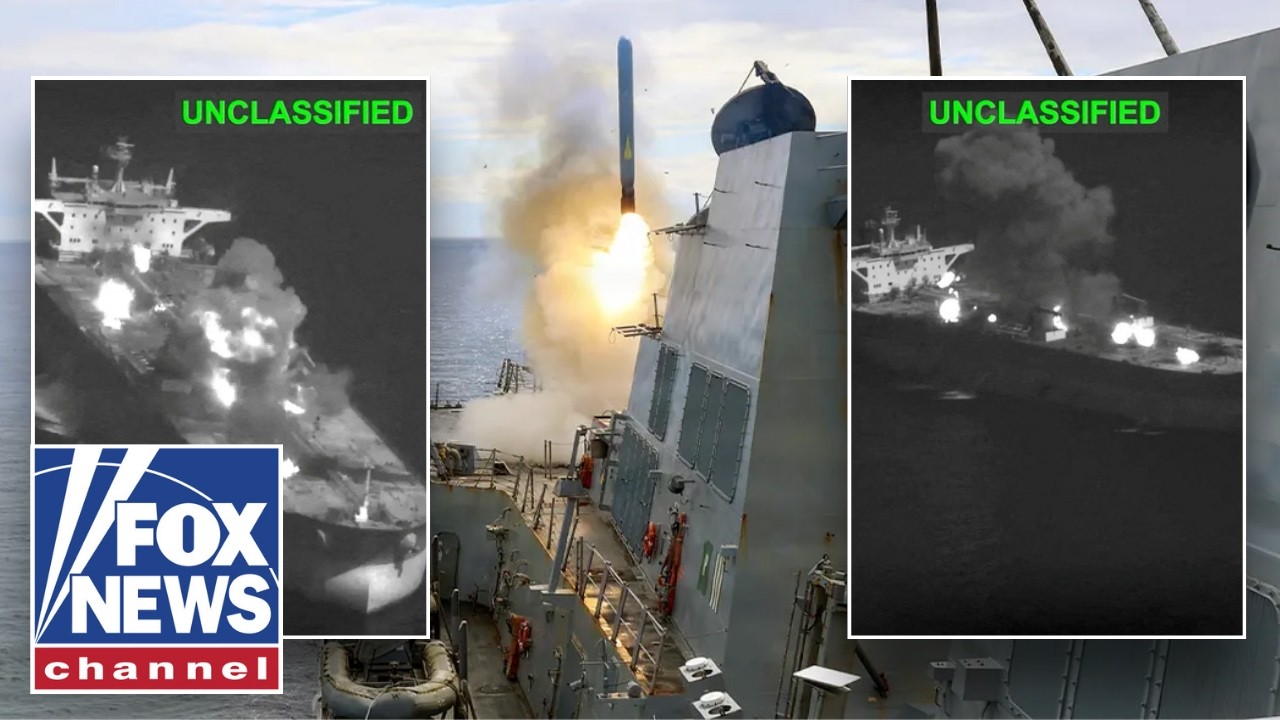
Despite the agreement for a broader pause in hostilities, U.S. and Israeli strikes continued. These operations were not random; they targeted strategically important areas. The strikes on Kharg Island, a vital hub for Iran’s oil industry, demonstrated that leverage points were still being utilized. These actions served as a stark reminder that the diplomatic progress was being made under the shadow of continued military pressure.
High-Value Targets and Casualties
The nature of these continued strikes also included operations that resulted in significant casualties. The killing of an Iranian Revolutionary Guards intelligence chief, for instance, indicated that intelligence-gathering and counter-terrorism operations were still active and considered high-priority by the involved parties. These actions, while perhaps not directly violating the terms of the broader ceasefire, certainly complicated the atmosphere for diplomacy.
A Successful Hostage Rescue: A Separate but Significant Event
While the ceasefire negotiation was unfolding, another high-stakes operation was successfully concluded, impacting the overall narrative and potentially influencing perceptions of capability and resolve.
The F-15 Crew Rescue
On Friday, a critical operation to rescue a two-man F-15 crew whose fighter jet had been shot down was successfully completed. This was not a minor event; President Trump characterized it as “one of the largest, most complex, most harrowing” operations ever conducted. The successful extraction of U.S. personnel in a hostile environment is a significant morale booster and a demonstration of military capability under extreme duress.
Impact on the Broader Picture
While seemingly separate from the ceasefire talks, the successful hostage rescue likely played a role in the overall dynamics. It could have bolstered the U.S. negotiating position by demonstrating resolve and capability, or it could have been used as an example of successful intervention, potentially influencing other actors involved in regional conflicts.
Gaza Ceasefire Pressure: A Connected Front
The situation in Gaza remained a significant point of focus, with the April 7, 2026 developments in the broader U.S.-Iran context also influencing demands for a resolution there.
Hamas’s Demilitarization Ultimatum
President Trump’s Board of Peace issued a clear demand to Hamas: finalize an agreement to demilitarize Gaza by the end of the week. This was a direct pressure point, linking regional de-escalation efforts to progress in the Gaza conflict. The implication was that a comprehensive peace would require addressing multiple fronts simultaneously.
The Stakes in Gaza
The pressure on Hamas to demilitarize underscored the seriousness with which the U.S. viewed the situation in Gaza. This demand was likely tied to broader regional security objectives and the desire to prevent future escalations originating from the Palestinian territories. The agreement or failure to agree on demilitarization would significantly impact the success of the wider peace endeavors.
International Concerns and the Precedent Set
The volatile situation and the threatened actions by President Trump did not go unnoticed by the international community. The concerns raised highlight the broader implications of the events and the potential impact on international law and humanitarian principles.
Warnings from the UN
The United Nations issued a crucial warning regarding the potential consequences of the threatened strikes on civilian infrastructure. The UN’s statement that such actions could constitute war crimes is a significant legal and ethical consideration. It served as a global reminder of accountability and the international norms that govern conflict.
The Precedent of the Ceasefire
The April 7, 2026 ceasefire, even with its imperfections and ongoing military actions, can be seen as a precedent. It demonstrated that even in the face of extreme tension and threats of direct military engagement, diplomatic channels, however fragile, could yield results. The reliance on intermediaries like Pakistan underscored the importance of multilateral efforts in de-escalation. The agreement, while not a perfect peace, offered a tangible pause, a chance to recalibrate, and a basis for future negotiations, making it a significant “turning point” in the complex geopolitical landscape of 2026.
FAQs
What is the April 7, 2026 ceasefire?
The April 7, 2026 ceasefire refers to the agreement between warring parties to halt military operations and hostilities on that date.
Which countries or groups are involved in the April 7, 2026 ceasefire?
The specific countries or groups involved in the April 7, 2026 ceasefire would depend on the context of the article. It could involve any parties engaged in armed conflict at that time.
What prompted the April 7, 2026 ceasefire?
The reasons for the April 7, 2026 ceasefire would depend on the specific conflict and circumstances at that time. It could be due to international pressure, exhaustion of resources, or a desire to negotiate a peace agreement.
How long is the April 7, 2026 ceasefire expected to last?
The duration of the April 7, 2026 ceasefire would depend on the terms agreed upon by the warring parties. Ceasefires can range from temporary pauses in fighting to more permanent agreements.
What are the implications of the April 7, 2026 ceasefire?
The implications of the April 7, 2026 ceasefire would depend on the specific conflict and the impact of the cessation of hostilities on the affected populations, humanitarian aid efforts, and potential peace negotiations.


 One Place News