One Place News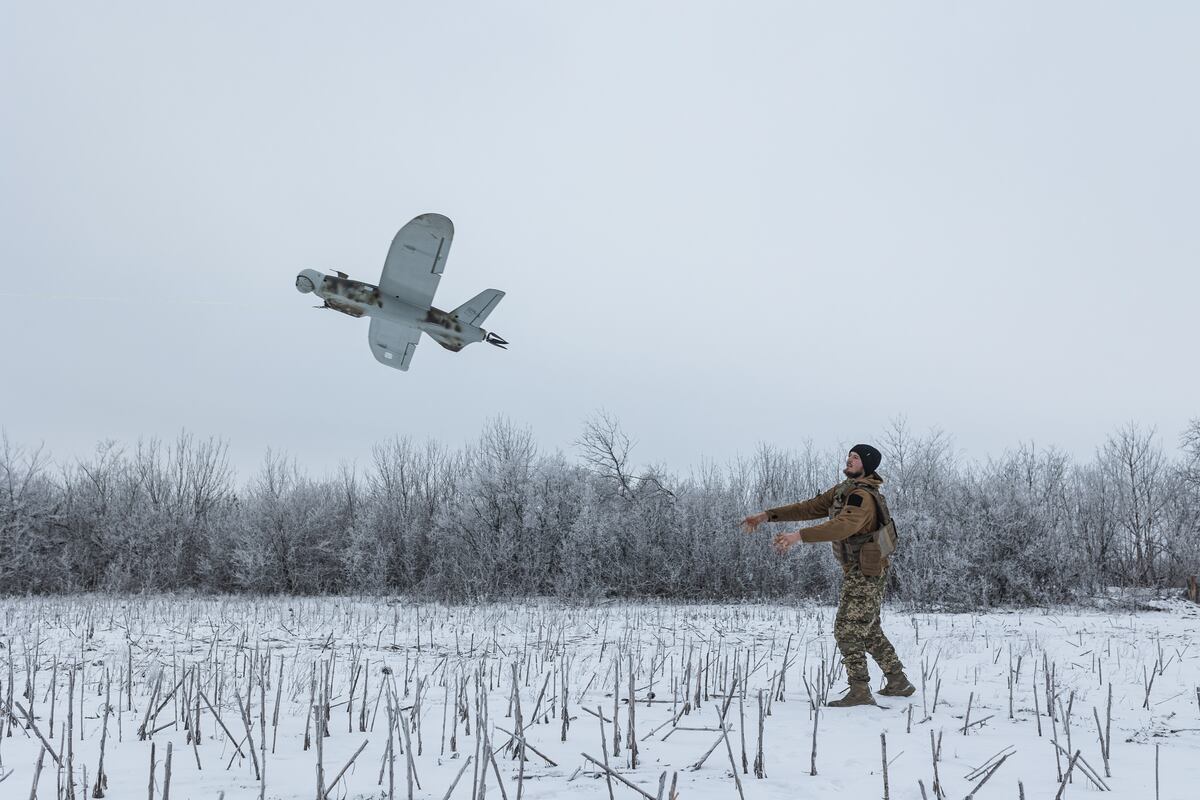
WARSAW, Poland — Doodle Labs, a radio specialist focused on unmanned systems operating in contested environments, hopes to turn an uptick in deliveries to Ukraine into additional manufacturing activities in Europe and the United States.
The business, which operates a plant in Singapore, is discussing cooperation with local partners elsewhere to extend its production footprint in the coming two years, an executive said.
Ira Hughes, a senior director of sales at Doodle Labs, told Defense News the company specializes in long-range, wireless mesh networking solutions that power drones and robotics. In Ukraine, the business works with local suppliers of unmanned systems and the Ukrainian military to adapt its radio solutions to the evolving threats on the battlefield.
“One of our customers makes two different types of drones. They make an inexpensive drone … with a cheap radio and camera system in it, and then they make a drone with our radio in it, and they use that for higher-value targets,” Hughes said. “They’ll go back to us and say: For vehicles with jammers, tanks with jammers, we go with your radios first, and this lets us change channels very quickly if we come under a jam.”
“We also have a very wide range of frequencies we can upgrade to in a single radio,” Hughes added. “So if we can move from the channels that they’re trying to jam to an unjammed channel, we continue to operate, and we can continue to get to the target.”
Amid rising demand for its radio systems, Doodle Labs is holding talks with manufacturers in the U.S. and Europe to launch local production. In particular, the company keeps an eye on a specific stateside policy provision.
“We are working on the ability to do U.S. manufacturing when needed. We’ll manufacture with a third party … and as the NDAA requirements change in the United States and the Made in America incentives come, we’ll be prepared and able to manufacture in the United States,” Hughes said, referring to the National Defense Authorization Act, an annual legislative vehicle for enacting defense-acquisition policies.
As drone production continues to increase in Western countries, allied nations will also need to ramp up their radio production as the existing supply chains lag behind the demand for unmanned systems, according to Hughes.
“A lot of those systems need advanced radios to be able to operate at the ranges and in the difficult conditions that they operate in,” he said. “We can make tens of thousands of radios a month, millions of radios a year if we need to.”