One Place News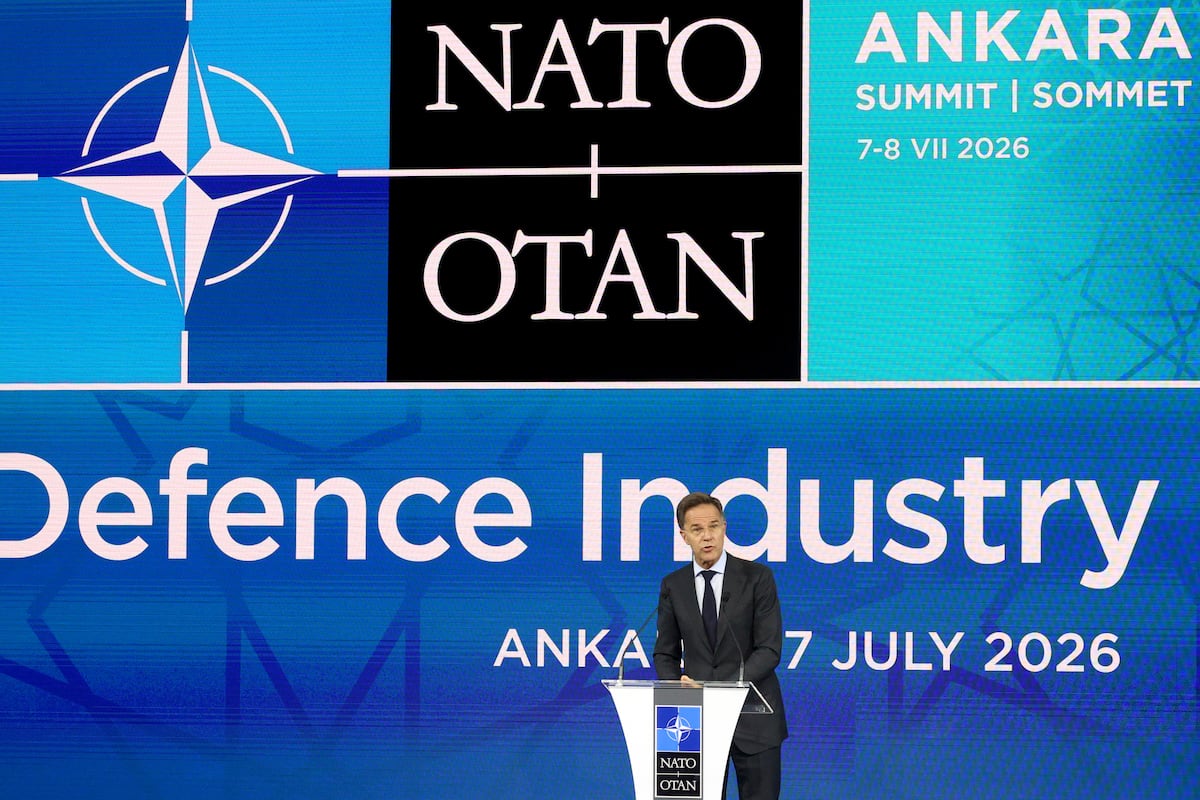
ANKARA — NATO nations will venture to field a multinational satellite constellation aimed at facilitating military operations from communications to surveillance, officials said at the alliance summit taking place here this week.
“I’m really pleased to announce that eight allies are launching a project to explore the development of a mega-constellation called HALO, opening a new chapter in allied space operations,” said Radmila Šekerinska, the NATO deputy secretary-general.
HALO — Hybrid Alliance Layered Operations in Space — will focus on improving connectivity and integration of sovereign, nationally owned and controlled military satellites into a networked constellation.
Denmark, Canada, Finland, Germany, Norway, the Netherlands, Sweden and Turkey are part of the effort. It aims to improve alliance resilience and military advantage in space, enabling high-speed communications, intelligence and missile tracking.
Individual satellite constellations run independently by member countries are vulnerable to cyberattacks, jamming or physical destruction, while also being too slow to relay large amounts of data, Šekerinska said.
“So this new model will be particularly helpful for high-speed communications, intelligence and missile tracking, overcoming the cost, the time and coverage limitations of single-nation satellite fleets,” she added.
Meanwhile, at the NATO Summit Defence Industry Forum, several nations declared their contributions to the space domain. Canada became the 15th member of NATO’s STARLIFT multinational initiative, which explores ways to develop a network of launch capabilities that will help allies launch assets on short notice from spaceports across the alliance.
Spain became the 19th country to join NATO’s Alliance Persistent Surveillance from Space initiative. Madrid will contribute by increasing coastal surveillance through imagery from its “Atlantic Constellation” satellites.
Turkey announced plans for the development of two additional high-resolution satellites to complement space capabilities in the region.