One Place News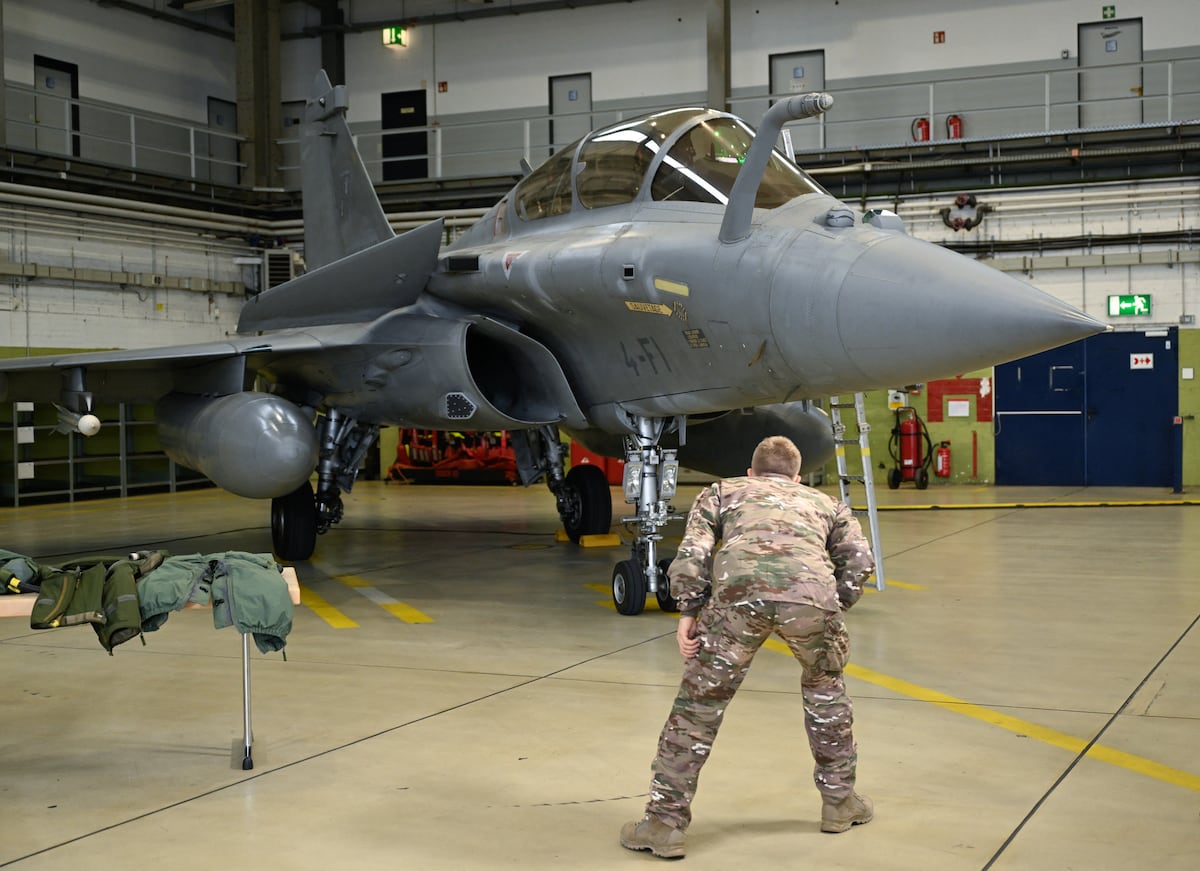
VIENNA — Nuclear cooperation between France and Germany has moved from words to first actions, with French nuclear-capable bombers visiting a German airfield this month and joint exercises on the calendar.
The leaders in Paris and Berlin had formed a “nuclear steering group” in March to coordinate the countries’ closer integration in atomic strategic matters. It is part of a major French doctrinal shift billed as “forward deterrence,” in which France promises to extend its nuclear umbrella to other countries in Europe.
Germany was among the first to sign up for the new scheme four months ago. A total of nine countries spanning from Norway to Greece have joined the initiative so far.
Speaking to the press alongside French president Emmanuel Macron on Jul. 17, German chancellor Friedrich Merz officially confirmed reports that Germany would be participating in upcoming French nuclear exercises with its own conventional forces.
The exercise has been identified as the French “Poker” maneuver, which is set to take place in September, Politico reported.
Additionally, Macron said that for the first time ever, a French nuclear-capable Rafale jet had been temporarily hosted at a German air base − specifically at Nörvenich near Cologne, where the Franco-German Defence and Security Council met on Jul. 17.
A day earlier, French Rafales had been refuelled while airborne alongside German Eurofighters in a symbolic kickoff to the two countries’ nuclear strategic cooperation.
The meeting at Nörvenich was the first major high-level defense meeting since the collapse of the joint Future Combat Air System, or FCAS, project that has caused a strain in relations and bad blood between French and German defense contractors.
Nonetheless, the attitude the leaders presented to the press was forward-looking and cooperative.
“We are charting a new, shared course in deterrence,” Merz said, though he also emphasized that he did not want it to be seen as competition to NATO nuclear sharing, but rather as a supplement to it.
“This complements our commitment to NATO’s nuclear sharing and deterrence arrangements, which we continue to uphold,” Merz said.
Under NATO’s current, U.S.-led nuclear sharing arrangement, Germany hosts American nuclear bombs on its soil and operates dual-capable aircraft able to deliver the weapons to their targets if the U.S. president authorizes their use. Belgium, the Netherlands, Italy and Turkey similarly host U.S. nuclear bombs.
While sovereignty over the weapons and all decision-making related to the use of the bombs will remain in Paris under the new doctrine, conventional tasks may be taken on by Germany and other allies under the forward deterrence scheme. It may also see French fighter jets operating out of other European countries’ air bases.
Macron said he saw Germany as playing a “vanguard role” in European deterrence.
France is the only European Union country with its own nuclear arsenal following the U.K.’s departure from the bloc in 2020. Alongside announcing the new forward deterrence strategy in March, Macron also announced that his country would increase its nuclear stockpile, contributing to a larger trend of unraveling longtime effective Cold War-era arms control arrangements and nuclear restraint.
The steering group will continue to work out details for how Germany will fit into the picture of French nuclear deterrence going forward, including determining avenues for collaboration and what forces could be used.
From the French side, inviting Germany into the fold would entail “explaining some aspects of how we operate, sharing certain closely held practices, offering joint exercises, developing joint initiatives and partnerships and fostering greater … trust among our teams, experts and military personnel,” Macron said in Nörvenich.