One Place News
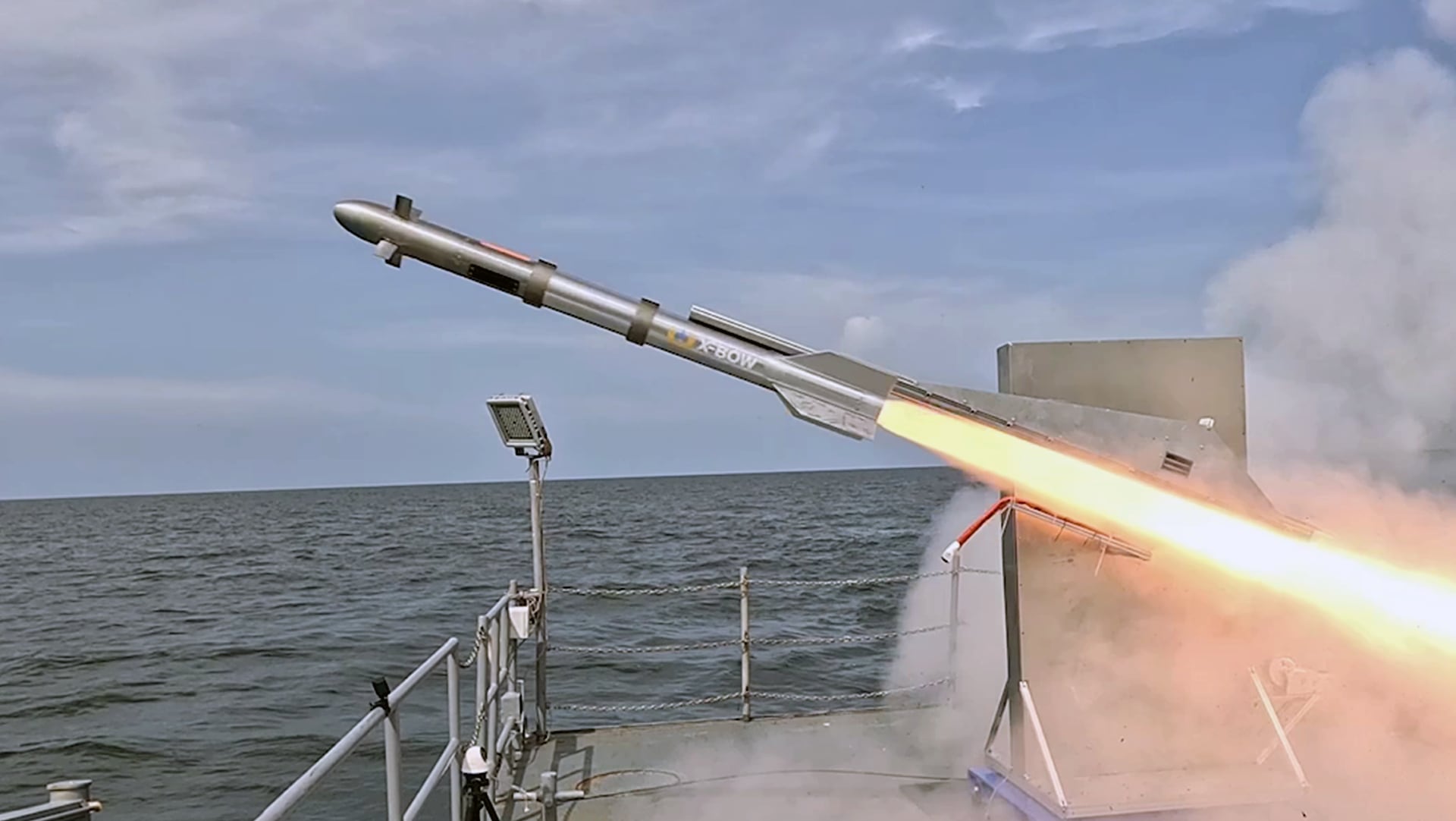
NEW DELHI — India has successfully tested a long-range surface-to-air interceptor missile, advancing development of a domestic air defense system to counter long-range aerial threats.
The Defense Ministry said that the maiden flight test intercepted a simulated high-speed, high-altitude aerial electronic target successfully, marking a “key milestone” in the program’s development. It was conducted Thursday from the A.P.J. Abdul Kalam Island off the coast of India’s eastern Odisha state.
Although India has developed short- and medium-range air defense systems, it relies heavily on Russia’s S-400 Triumf systems for long-range air defense. The Kusha, as the interceptor that was tested is called, could fill that gap.
“At present, the S-400 provides long-range coverage of about 400 kilometers, while the Barak-8 systems, co-developed with Israel provide shorter ranges of around 70 kilometers in our air defense. So there is a huge gap in between. Kusha will bridge this,” said Dinakar Peri, Fellow in the Security Studies Program at Carnegie India.
The project includes development of three variants with approximate ranges of 150 kilometers, 250 kilometers, and 350–400 kilometers. However, the official statement did not disclose the engagement range of the interceptor that was tested.
“The missile system is capable of neutralizing a wide variety of aerial threats including fighter jets, missiles, unmanned aerial vehicles and large enemy aircraft within a wide range & altitude envelope,” it said.
India touts new ballistic missile defense prowess after tests
The test marked the first demonstration of New Delhi’s efforts to build an air-defense system that could eventually be counted in the same strategic class as Russia’s S-400 Triumf.
“The capability in developing long range surface-to-air missile systems is possessed only by a handful of nations. This will also eliminate the import dependency for such systems and signifies a giant leap in air defense capability of the nation,” Indian Defense Minister Rajnath Singh said following the test.
Analyst Peri pointed out that when validated, the variant with a range of 350 to 400 kilometers is expected to match the range of Russia’s S-400 and could complement the ones India has already deployed. The country’s long borders with Pakistan and China require wide coverage.
“The S-400 played a key role during the conflict with Pakistan last year and we have a good air defense architecture. But it may not be enough for the next potential conflict,” said Peri. “So the need is to scale up its existing long-range air defenses significantly, and this is where Kusha will play a key role. For India the reaction time, especially along the border with Pakistan, is very short, so the need is to have interceptors that can shoot down incoming aerial threats far away from population clusters.”
As India steps up its military modernization program, strengthening air defense has emerged as a priority amid the growing threats posed by drones, cruise missiles, long-range rockets and combat aircraft that are reshaping modern warfare. A $ 5.4 billion approval granted by the Defence Acquisition Council earlier this month for weapons and systems for the armed forces included counter-drone and layered air-defense capability.
New Delhi hopes that the missile system could eventually reduce its dependency on foreign systems significantly.
Following the test, the government said that all weapon system elements, including the missiles, radars and the command center, were developed in the country by the Defense Research and Development Organization and industry partners.
However India will remain reliant on foreign air defense systems for some years to come as the indigenous system still has to be validated with more trials and is only expected to be ready for operational deployment after three to four years. Earlier this year, India approved the acquisition of five additional S-400 Triumf air defense systems from Russia to reinforce its long range air defenses.
India continues to rank among the world’s largest defense importers but over the past two decades, it has intensified its push for self-reliance by expanding domestic development and production of advanced military technologies and hardware.