\n\n

A vitamin A discovery is changing what scientists know about vision

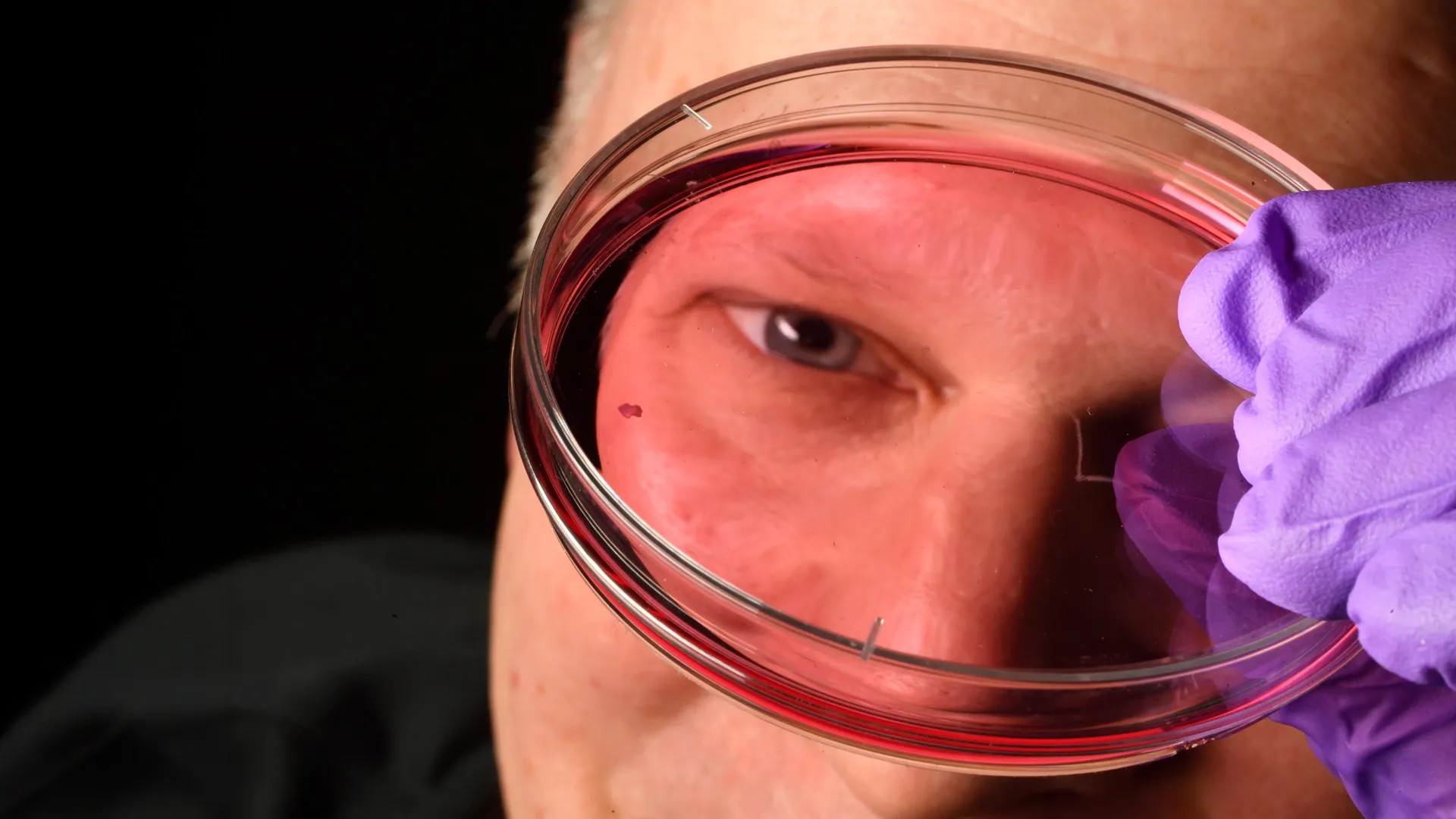
A surprising discovery is reshaping scientists’ understanding of how humans develop sharp central vision before birth. Instead of blue cone cells migrating away from the retina’s center, the study found they transform into red and green cones under the influence of vitamin A-related signals and thyroid hormones. The findings could improve lab-grown retinal tissue and lay the groundwork for future cell therapies to restore vision lost to age-related eye diseases.

Related Posts

Childhood trauma may leave a lasting “scar” inside brain cells

Early-life stress may physically alter how DNA is packaged in the brain, leaving stress-related genes primed to activate more easily years later. In mice, researchers were able to block this…

A missing color in indoor light may help prevent myopia

A wavelength of light largely missing from indoor LEDs may play an important role in protecting developing eyes from nearsightedness. Researchers found that indigo light completely prevented myopia in tree…

Leave a Reply

Your email address will not be published. Required fields are marked *

You Missed

The Islamisation of the West is a lie! | Soumaya Ghannoushi | MEE Opinion

The Islamisation of the West is a lie! | Soumaya Ghannoushi | MEE Opinion

The Islamisation of the West is a lie! | Soumaya Ghannoushi | MEE Opinion

The Islamisation of the West is a lie! | Soumaya Ghannoushi | MEE Opinion

The Islamisation of the West is a lie! | Soumaya Ghannoushi | MEE Opinion

The Islamisation of the West is a lie! | Soumaya Ghannoushi | MEE Opinion

Doctor explains what FDA’a approval of pancreatic cancer drug could mean for patients

Doctor explains what FDA’a approval of pancreatic cancer drug could mean for patients

How Dolly Parton donated millions of books to children

How Dolly Parton donated millions of books to children

Nvidia’s revenue and profits more than double in latest earnings report

Nvidia’s revenue and profits more than double in latest earnings report