
U.S. national primate research centers face an uncertain future – The Transmitter: Neuroscience News and Perspectives
U.S. national primate research centers face an uncertain future The Transmitter: Neuroscience News and Perspectives
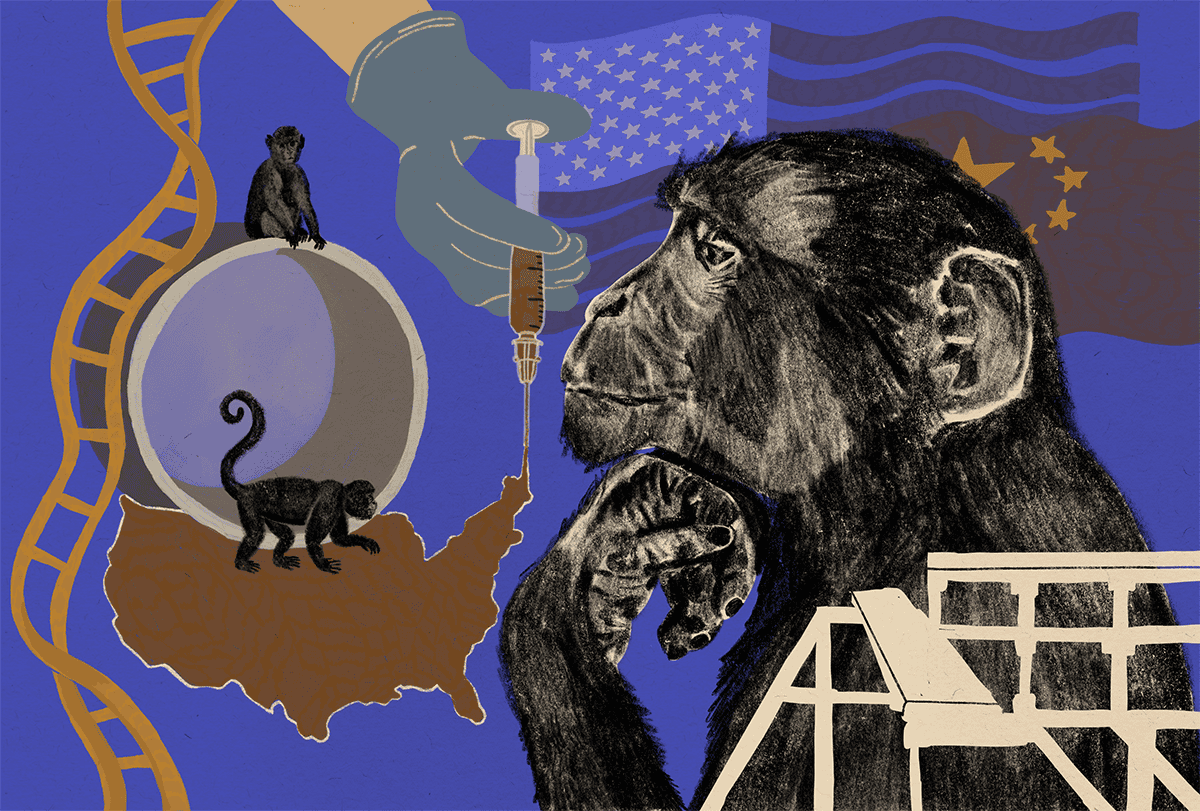
The facilities were meant to last 100 years. Four decades shy of that mark, amid flatlined funds and mounting political pressure, their directors are trying to find a path forward. At the end of the COVID-19 pandemic, the U.S. Congress commissioned a scientific committee to take stock of the nation’s nonhuman primate research. Seven federally funded primate research centers, which maintain large colonies and breed a domestic supply of animals, had struggled to keep up with demand during the crisis. Just as the need for primates to study the novel virus was soaring, a major alternative supply source—imports from China—vanished, and the cost of research monkeys from the remaining commercial vendors skyrocketed by as much as 200 percent.
Primate research, the committee determined, is integral to the United States’ ability to weather public health crises and treat brain disorders: These models make up only half a percent of the animals used in research but have contributed to the development of the COVID-19 vaccine, personalized gene therapies and deep brain stimulation, as well as foundational knowledge about vision, cognition and motor control. The committee stressed that it was imperative for the federal government to ramp up its investment in the centers. A weakened nonhuman primate research field, they concluded, constitutes a national security risk. In fact, federal funding for the centers
Source & Attribution
This One Place News story was acquired from news.google.com. OPN retains the source link and provenance for newsroom review.
Filed Under
U.S. News