
Intero Biosystems wants drugmakers to test on mini human intestines, not animals
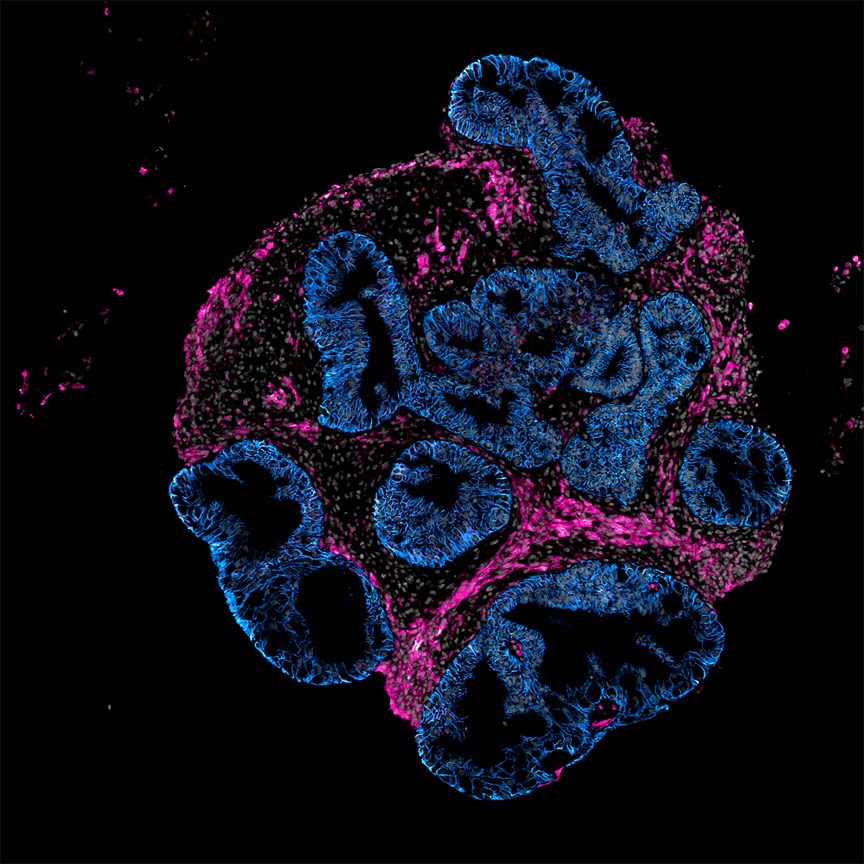
Intero Biosystems is selling lab-grown human intestines to drugmakers as regulators push for alternatives to animal testing, while the startup looks to scale production and expand its organoid technology. Drug development has long relied on animal models, but differences between species mean what works in animals doesn’t always translate to humans, and most drugs still fail during development. Intero Biosystems, a Denver-based startup, is developing human intestinal organoids, lab-grown tissue that mimics the gut, as another way to study how drugs and other compounds might affect the human body before they are tested in people. Researchers and pharmaceutical companies are increasingly looking for models that better reflect human biology to supplement animal testing and reduce their reliance on it.
Intero, which spun out of the University of Michigan, says its organoids differ from simpler models that replicate only part of the gut. They contain multiple cell and tissue types found in the human intestine, which the company believes makes them a more human-relevant model for testing drugs and other compounds, co-founder and CTO Madeline Eiken told TechCrunch. “Most drugs fail clinical trials, and I think it’s pretty easy to appreciate that we are neither mice nor flat layers of cells,” Eiken said. The startup’s flagship product, GastroScreen, is a human intestinal organoid model that it sells to pharmaceutical, biotech, food,
Source & Attribution
This One Place News story was acquired from techcrunch.com. OPN retains the source link and provenance for newsroom review.
Filed Under
Technology & AI