
CedarDB wants one database to handle both transactions and analytics, as AI agents raise the stakes
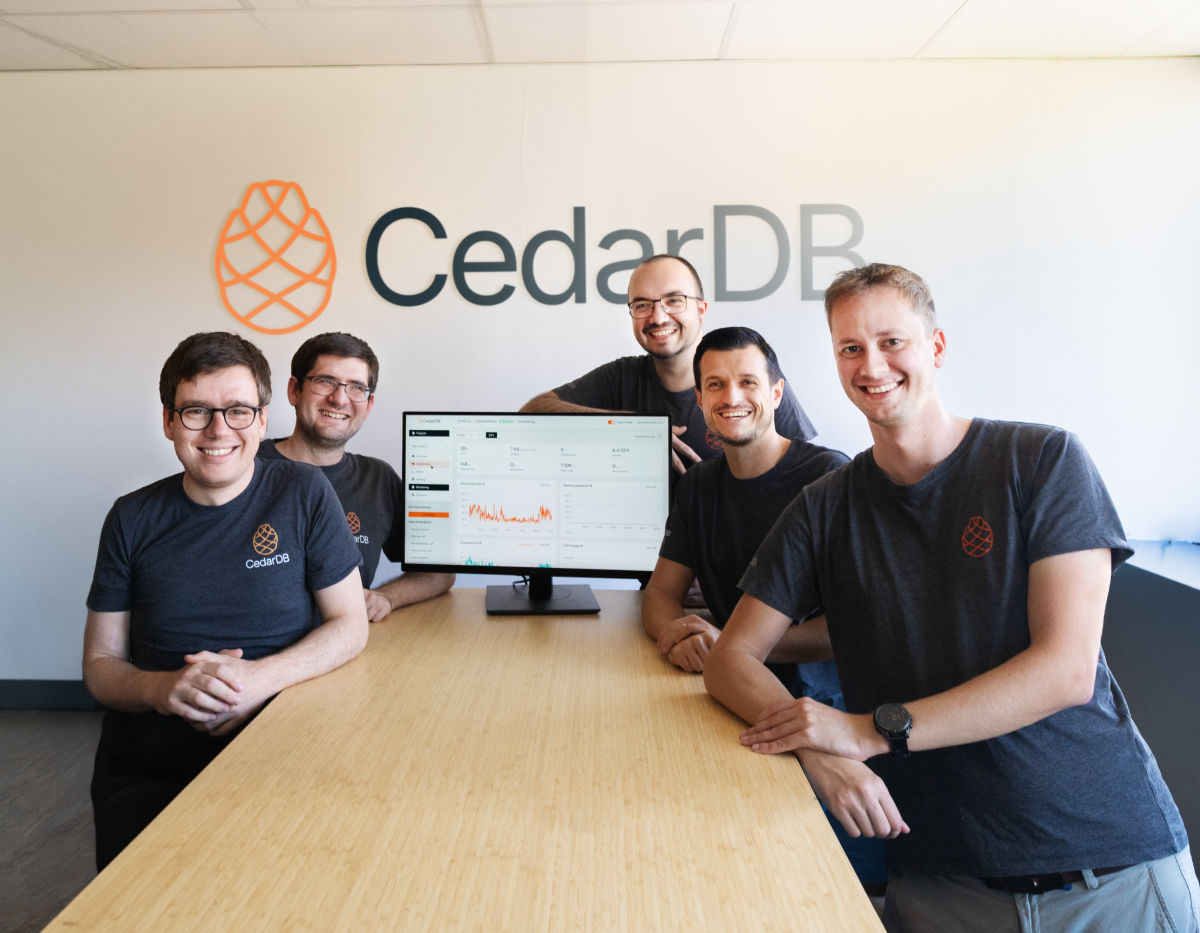
Databases have traditionally been designed either for analytical data or for operational data. But database engine CedarDB supports both, and its approach has gained relevance with the rise of agentic AI. Databases have traditionally been built for one of two jobs. Analytical databases help businesses spot trends and answer questions, while operational databases store the day-to-day records of transactions, like orders and payments. But the Munich-based database engine CedarDB supports both, and its approach has gained relevance with the rise of agentic AI, its co-founder and CEO Moritz Sichert told TechCrunch. CedarDB has been in the making for the last decade, but its current momentum stems from enterprise companies whose existing data stacks may have been well suited to storing years of transactions, yet less suited to quickly answering analytical questions asked in natural language about that data.
CedarDB’s questioning of the divide between analytical and operational queries is a by-product of its focus on efficiency. The company is a Technical University of Munich spinout based on Umbra, a research project that was built from scratch to beat legacy database engines at processing speed by making the most of modern hardware. With five Umbra researchers as its co-founders, CedarDB kept that approach, promising faster performance without requiring more CPUs or processing power and memory — and requiring few changes from
Source & Attribution
This One Place News story was acquired from techcrunch.com. OPN retains the source link and provenance for newsroom review.
Filed Under
Technology & AI