
Are your bones brittle? If they were, how would you know? (To men: this goes for you too) | Ranjana Srivastava
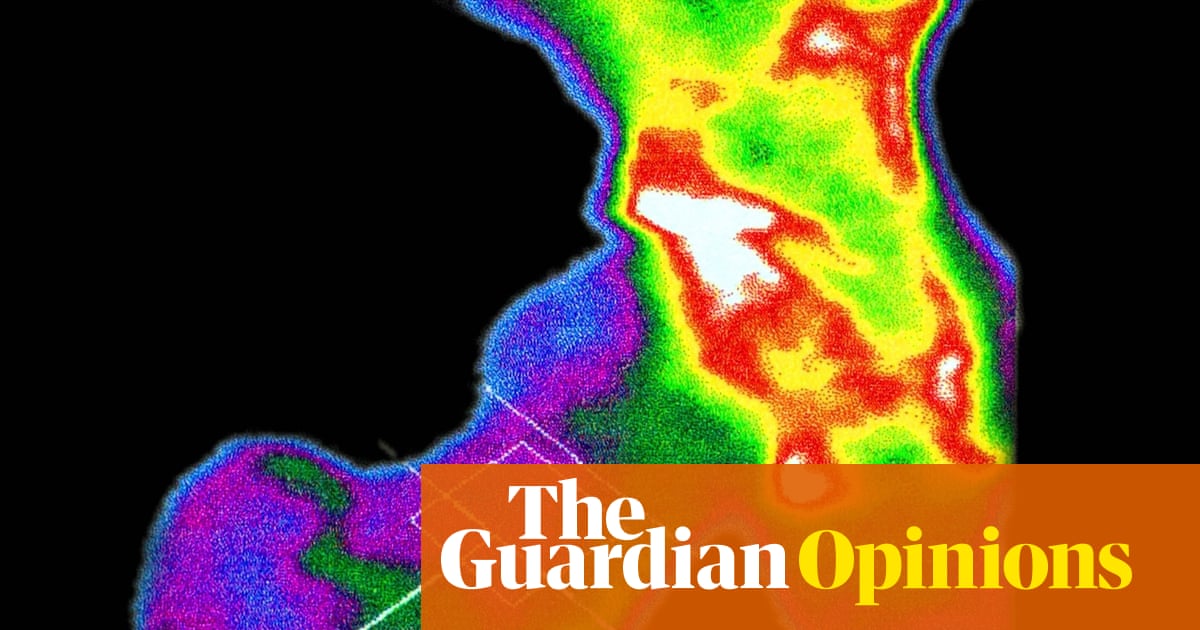
Assessing osteoporosis risk requires more than a scan, which is why a thorough conversation with a doctor is essential “Doctor, how could I get a fracture from sliding on the floor?” My 60-year-old patient is impatient to recover from a pelvic fracture. He is gobsmacked, acting as though I must have the wrong person. Worldwide, one in three women and one in five men over 50 are at risk of an osteoporotic fracture. Anyone who has suffered one knows it is not merely inconvenient but potentially life-changing. A quarter of my medical patients who suffer a hip fracture do not regain their previous mobility. Many make slow progress in rehabilitation; some need residential care.
For others, the consequences can be fatal, not from the fracture itself but the complications of immobility: blood clots, pneumonia and deconditioning. In cancer patients, I am equally familiar with bone loss caused by treatments that deplete sex hormones. A lack of oestrogen or testosterone weakens bones. Next to cancer, bone health can seem like the poor cousin. Yet for many cancer survivors, a fracture impairs quality of life and – ironically – survival. If you have had a heart attack or stroke, you are probably on medication. If you have diabetes, you will be on drugs to prevent complications. Yet osteoporosis
Source & Attribution
This One Place News story was acquired from theguardian.com. OPN retains the source link and provenance for newsroom review.
Filed Under
Opinion & Analysis