
How Brazil's changing working class is reshaping the presidential race
Calls for change present a challenge to President Lula in the second round of the election on Sunday. A student at a rally for President Lula da Silva In the sprawling former industrial city of Osasco, shuttered factories have given way to a shopping malls and delivery app tech companies in what is now dubbed São Paulo's "Silicon Valley." The municipality voted for Brazil's left-wing President Luiz Inácio Lula da Silva in 2022 but switched to the right-wing Flávio Bolsonaro in the first round of Brazil's presidential election this month. Bolsonaro won that vote – and now the two men face a run-off on Sunday. Since 1989, every first-round winner has gone on to be elected president.
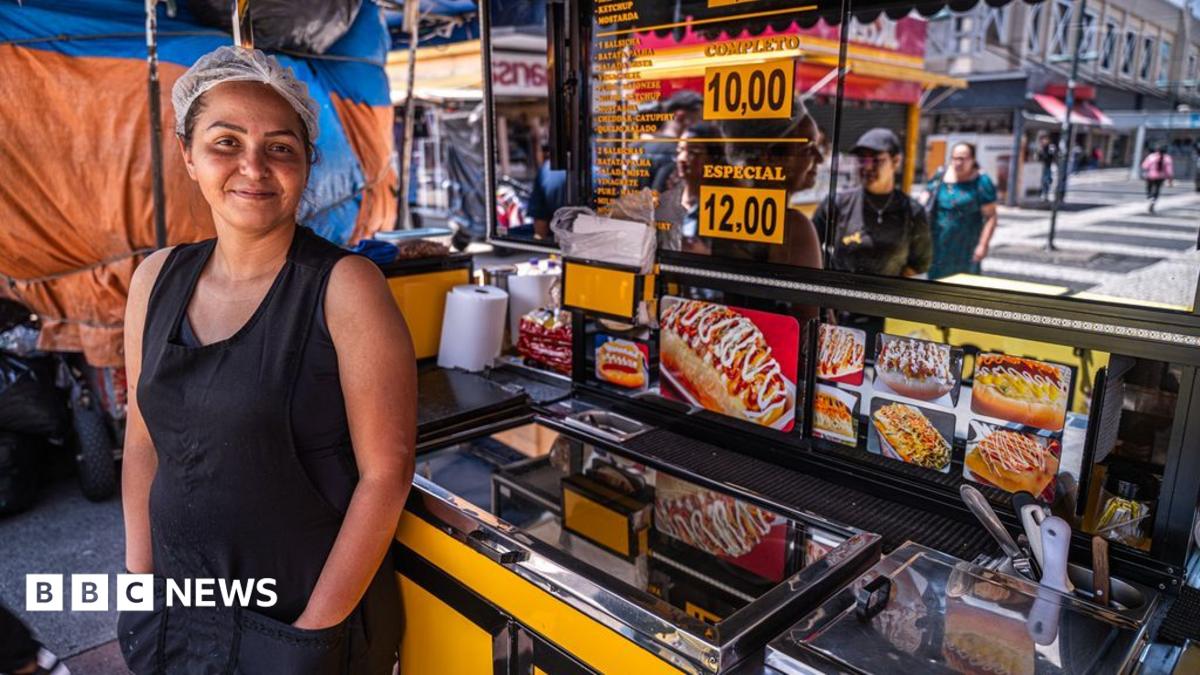
Like many of Lula's traditional supporters, Gilberto Almazan, who leads a metalworkers' union here, is visibly worried. He cries when he tells Lula's life story: a boy who grew up in hunger in the north-east, who became a metalworker, then a union leader, then a three-time president. But he's candid about how things have changed here and how the union movement that was so integral to Lula's support base is stuck in the "Middle Ages", and struggling to keep up. "We had strong deindustrialisation here," Almazan says. "The profile of the working class changed. They are no longer predominantly industrial workers, they are
Source & Attribution
This One Place News story was acquired from bbc.co.uk. OPN retains the source link and provenance for newsroom review.
Filed Under
Politics & Law • World News