
Europe's youth is on the march – but does anything actually unite them?
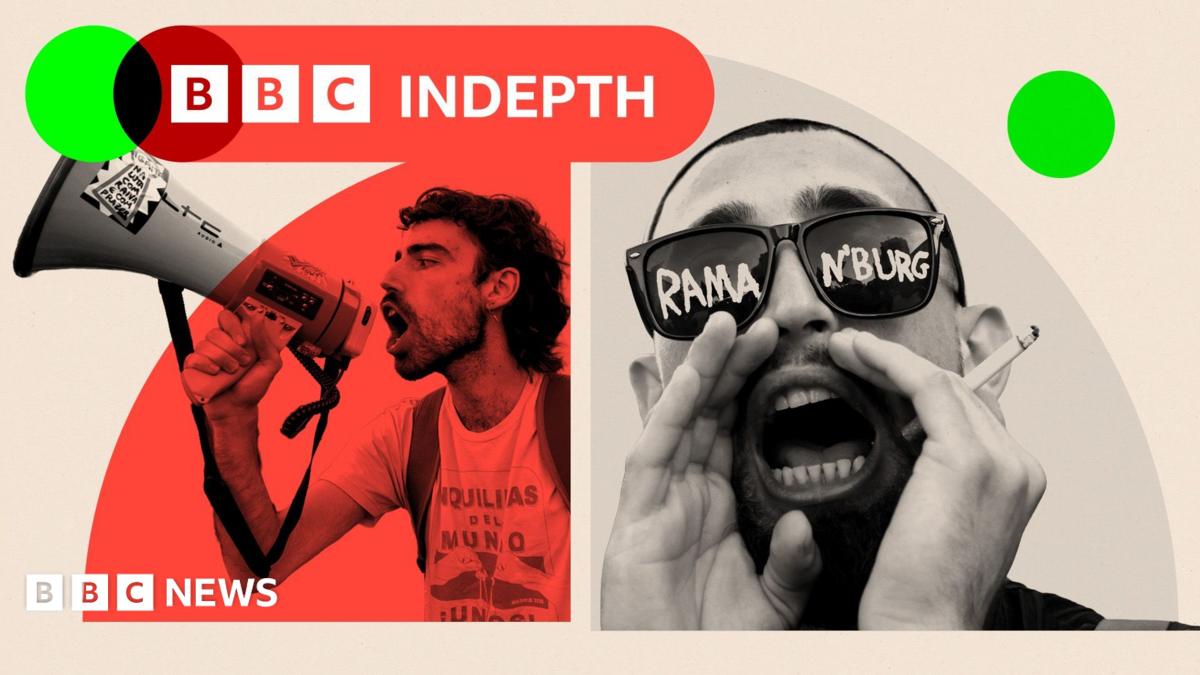
The last month has seen youth-driven demonstrations across Europe. What connects them? Europe's youth is on the march – but does anything actually unite them? From Milan, to Marseille, to Madrid and in so many other cities across Europe, streets have erupted in colourful, passionate protests in recent weeks. While most started peacefully, a large number ended in shocking scenes of violence and looting. There have been allegations of radical left-wing groups sparking riots intentionally and reports of police heavy-handedness. We've seen thousands rallying in Rome and Florence. Hundreds of thousands across France. In Madrid, an encampment of tents has occupied a city-centre square since late September. In Lisbon, tens of thousands of mostly young people marched earlier this month.
Tear gas and water cannon were used on protesters in Brussels, after young men dressed in black, their faces covered to hide their identities, threw rocks and firecrackers at police. In Albania, demonstrators alleging government corruption are demanding that their Prime Minister Edi Rama – already 13 years in power – stand down. I've spent years in Europe reporting from a multitude of demonstrations, both peaceful and violent. I remember well the ardent Catalan pro-independence marches of 2017, the desperation and Molotov cocktails flying through Athens' streets during the 2015 Greek debt crisis, and various outbreaks of violence in France
Source & Attribution
This One Place News story was acquired from bbc.co.uk. OPN retains the source link and provenance for newsroom review.
Filed Under
World News