
Army research leads to first 3D-printed heavy-fuel engine
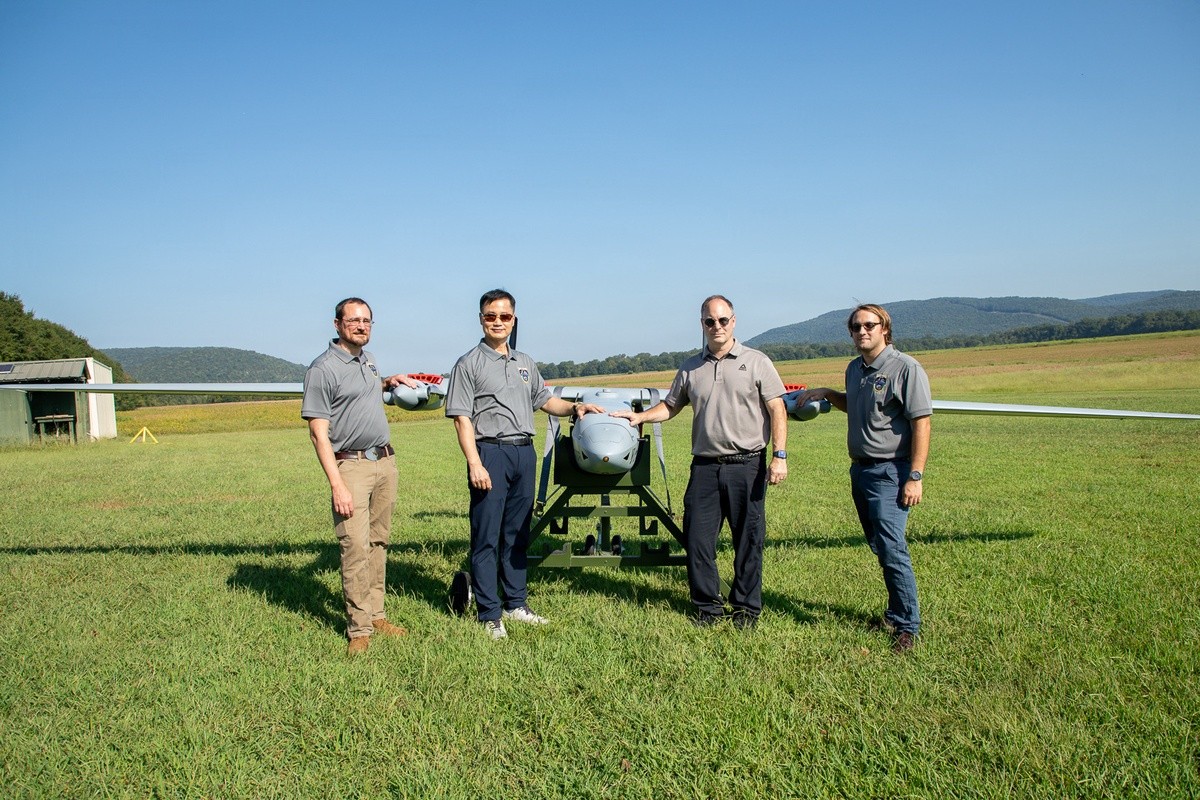
Years of ARL scientific research culminated in the successful flight demonstration of a 3D-printed heavy-fuel rotary-engine series-hybrid system. ADELPHI, Md. — Years of Army scientific research culminated in the successful flight demonstration of a 3D-printed heavy-fuel rotary-engine series-hybrid system, advancing power and propulsion science for future tactical unmanned aircraft systems. Researchers at the U.S. Army Combat Capabilities Development Command, known as DEVCOM, Army Research Laboratory, designed the advanced drone propulsion through its Versatile Tactical Power and Propulsion essential research program. "The program addresses critical power and propulsion challenges by advancing fundamental science that could enable drones to fly longer and faster, operate at higher altitudes, carry heavier payloads and perform in extreme environments while reducing logistics burdens," said Dr.
Chol-Bum “Mike” Kweon, DEVCOM ARL program manager. "For warfighters, the program has transitioned research findings to industry partners for maturation and integration into capabilities that could enable mid-sized drones to operate beyond line of sight, extending the reach of ground commanders and reducing risk to Soldiers." ARL researchers used advanced computational fluid dynamics modeling and a clean-sheet design approach to address the challenges of efficiently burning heavy fuel in a rotary engine. The work improved fuel atomization and vaporization while minimizing compressed-air and fuel-vapor leaks. “The use of advanced manufacturing, including 3D metal printing, allowed us to rapidly redesign engine components
Source & Attribution
This One Place News story was acquired from army.mil. OPN retains the source link and provenance for newsroom review.
Filed Under
Military News