
A 324 million-year-old fossil at a San Diego museum is upending what we know about natural history – San Diego Union-Tribune
A 324 million-year-old fossil at a San Diego museum is upending what we know about natural history San Diego Union-Tribune
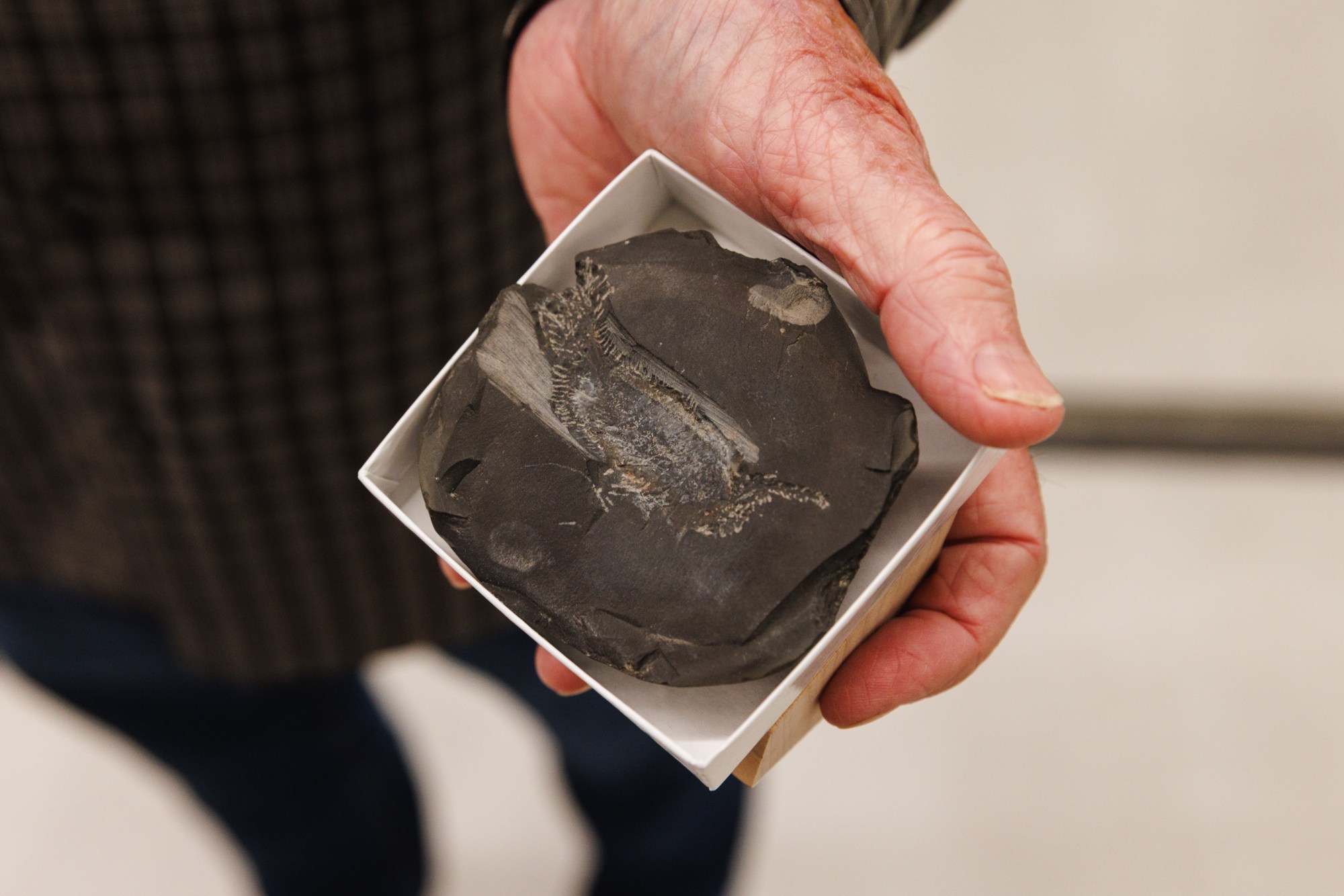
The former director of the Natural History Museum of San Diego collected the specimen during a trip to Texas in 1985. The sudden spotlight shining on a 324 million-year-old fossil at the San Diego Natural History Museum shows that, sometimes, all it takes is a new label to change the whole story. In this case, fossil No. 28852 in the museum’s catalog had lived in a drawer among the million other specimens in the vast basement storage vault under the label Tesnusocaris goldichi, an extinct type of crustacean. But collection managers recently affixed a new label after a visit from a Cambridge University doctoral student who wrote a paper that made it into the venerated journal Nature and subsequently into coverage by The New York Times.
That new label says Chosha praecursor, referencing insects, not crustaceans. To a layperson, this shift in nomenclature is quite benign. But to those who use the fossil record to study the history of life, the change is seismic. Because of its age of 324 million years, reclassifying the fossil as an insect puts it right at the younger boundary of the “hexapod gap,” a 60 million-year span from 385 million to 325 million years ago — some say 322 million years ago — in which the fossil record contains no evidence of insect life.
Source & Attribution
This One Place News story was acquired from news.google.com. OPN retains the source link and provenance for newsroom review.
Filed Under
Local News – San Diego