\n

America’s Future: The Infinite Workweek with AI

Source: The Atlantic

Summary

America is facing a future where the boundaries between work and personal life blur due to advances in AI and automation. As these technologies evolve, the traditional concept of a workweek may transform into an ‘infinite workweek’ where employees are constantly connected and engaged.

Why It Matters

This shift raises significant concerns about work-life balance, mental health, and the nature of employment in a rapidly changing economy. Understanding these dynamics is crucial for cultivating a sustainable workforce and ensuring that technological advancement benefits society as a whole.


Read the full article →

  • Related Posts

    A Silver Lining in Afghanistan

    Five years ago, the United States was completing its chaotic withdrawal from Afghanistan when the terrorist group known as the Islamic State Khorasan Province carried out one last murderous strike.…

    Nobody Knows What Ultra-Processed Food Is

    You might know a tomato when you see one, but for the federal government, identifying one is harder. Is a tomato a fruit or a vegetable? In 1893, this question…

    Leave a Reply

    Your email address will not be published. Required fields are marked *

    You Missed

    How does the Mecca defence pact change the US-Iran war?

    How does the Mecca defence pact change the US-Iran war?

    West Bank: The reproductive violence of colonialism

    West Bank: The reproductive violence of colonialism

    Here’s why Netanyahu could lose Israel’s elections

    Here’s why Netanyahu could lose Israel’s elections

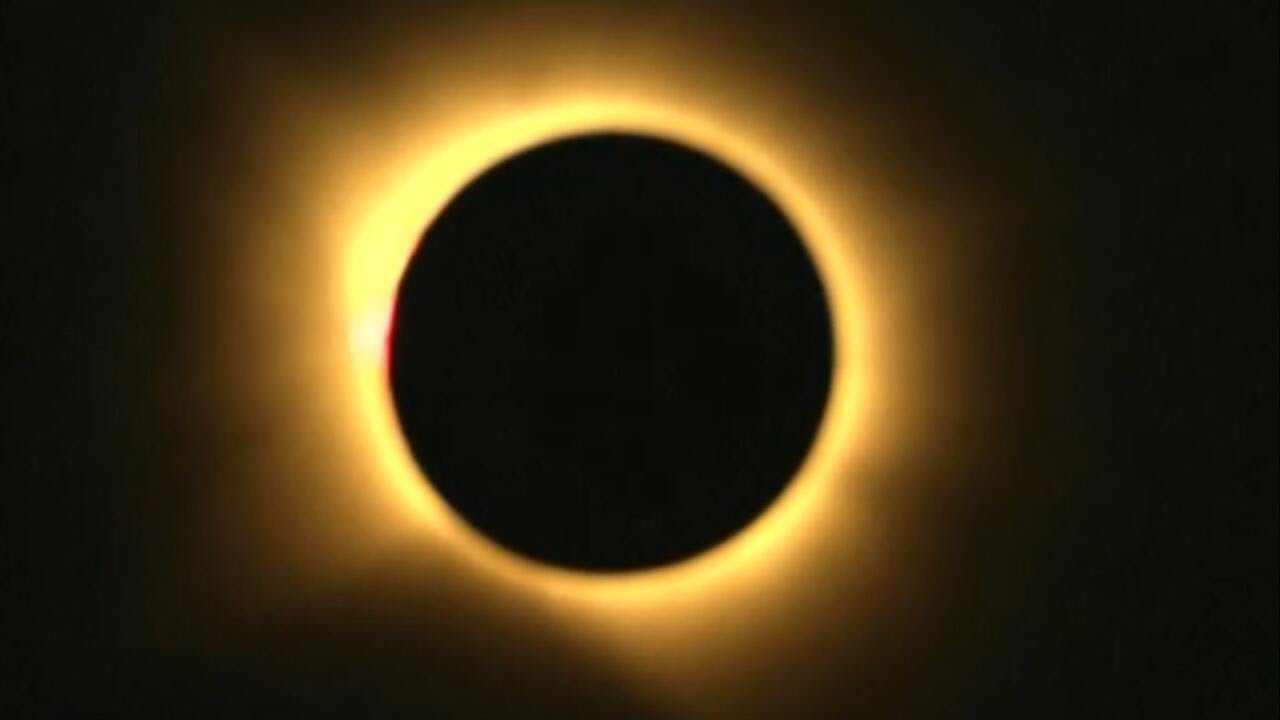
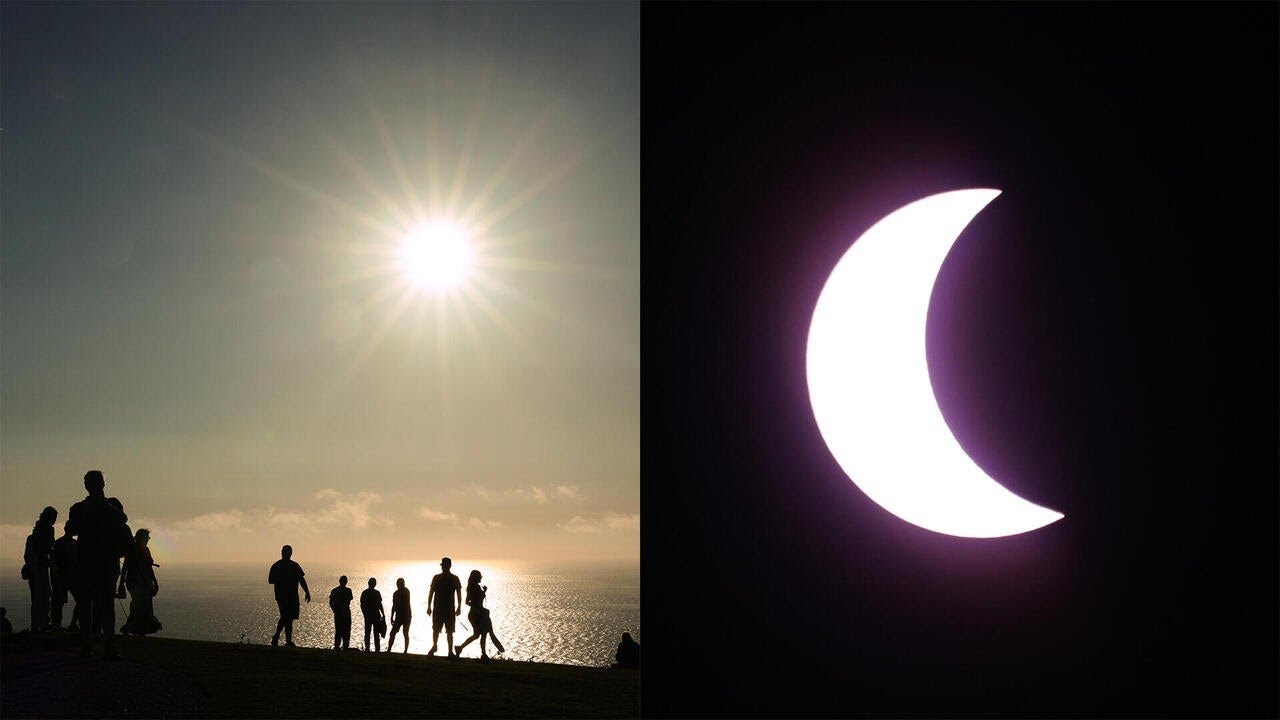
    Recapping Europe’s total solar eclipse, first in nearly 3 decades

    Recapping Europe’s total solar eclipse, first in nearly 3 decades

    Lindsay Clancy murder trial continues with health counselor testimony | full video

    Lindsay Clancy murder trial continues with health counselor testimony | full video

    Europe sees first total solar eclipse in 27 years | Special Report

    Europe sees first total solar eclipse in 27 years | Special Report