\n\n

Apple’s failed self-driving car program left a legacy of powerful AI chips

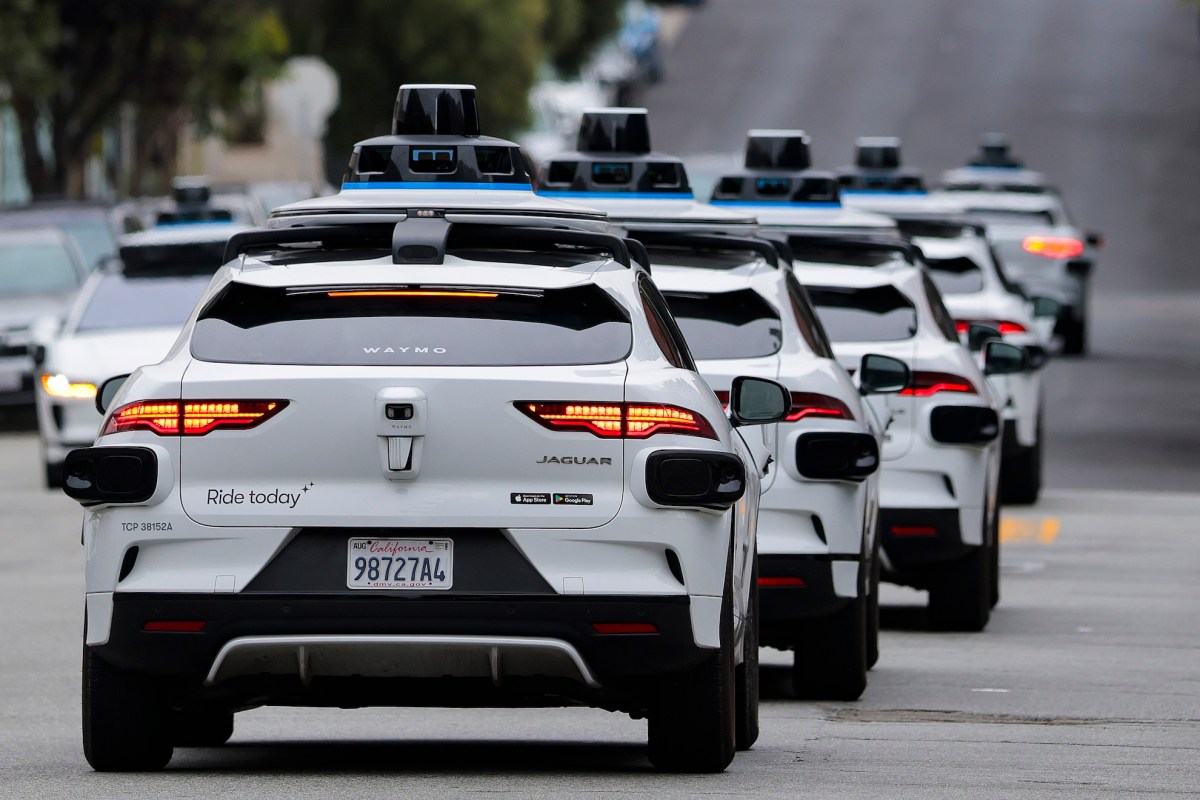
Apple’s self-driving car program never really got off the ground, but it may have been what made the company’s chips the powerful AI performers they are. Early in the development of the self-driving platform, Apple realized that it would need powerful on-device AI processing. While the car processor was never finished, as Mark Gurman details in his latest Power On newsletter, it did lead to the development of the Neural Engine, the backbone of Apple’s on-device AI processing.

The Neural Engine made its debut with the iPhone X and the A11 Bionic. In those early days, it was primarily used for computer vision, powering FaceID, Animoji, and a …

Read the full story at The Verge.

Related Posts

TechCrunch Mobility: A robotaxi ultimatum

Welcome back to TechCrunch Mobility, your hub for the future of transportation and now, more than ever, how AI is playing a part.

One of SteelSeries’ best gaming headsets is over $100 off

The SteelSeries Arctis Nova Pro gaming headset. | Photo by Amelia Holowaty Krales SteelSeries has the Arctis Nova Pro Wireless gaming headset on sale for $239.99 (currently between $300 and…

Leave a Reply

Your email address will not be published. Required fields are marked *

You Missed

How Sen. Lindsey Graham's death impacts U.S. politics

How Sen. Lindsey Graham's death impacts U.S. politics

How Sen. Lindsey Graham's death impacts U.S. politics

How Sen. Lindsey Graham's death impacts U.S. politics

How Sen. Lindsey Graham's death impacts U.S. politics

How Sen. Lindsey Graham's death impacts U.S. politics

How Sen. Lindsey Graham's Senate seat will get filled

How Sen. Lindsey Graham's Senate seat will get filled

How Sen. Lindsey Graham's Senate seat will get filled

How Sen. Lindsey Graham's Senate seat will get filled

How Sen. Lindsey Graham's Senate seat will get filled

How Sen. Lindsey Graham's Senate seat will get filled