
AI deepfakes pose risks to consumers and voters, experts warn
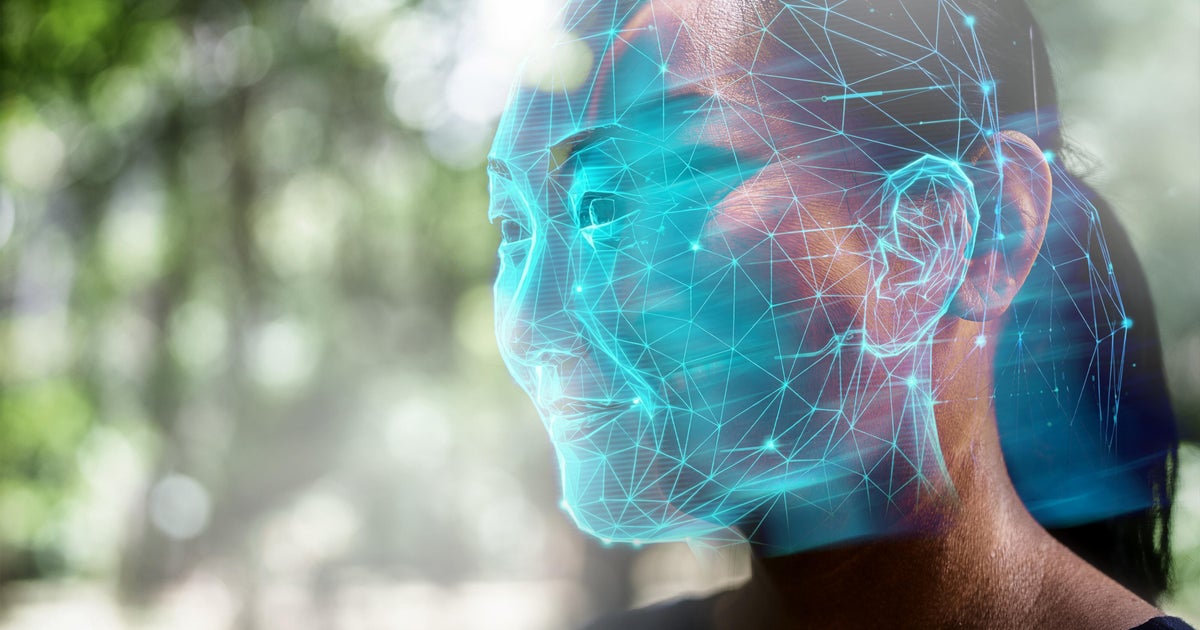
“When you can’t tell what’s legitimate, you question everything,” said one cybersecurity expert focused on political campaigns.
Advances in artificial intelligence are making it a cinch to create so-called deepfake images, videos and audio recordings, raising concerns that bad actors could bombard people with hyper-realistic scams and spread disinformation. Deepfakes that use the voices and likenesses of public figures, including celebrities or political candidates, can also deceive the public in various ways, security experts told CBS News. By one measure, fewer than 10% of people can recognize an audio deepfake, according to Doppel, a social engineering defense platform for detecting AI-enabled threats."In a test, only 8% of people realized an AI agent was calling them, whereas 92% of people thought they were speaking to a human," said Doppel co-founder Kevin Tian.
AI's capacity to churn out deepfakes at scale is a pressing issue in the political arena, according to security experts. AI-generated advertisements featuring deepfakes of politicians have already surfaced across the internet and social media ahead of the midterm elections. In one such incident in Texas, a phony, AI-manipulated social video targeting Senate candidate James Talarico purported to show a former student accusing the Democrat of sexual misconduct, according to The Poynter Institute's PolitiFact service. "When you can't tell what's legitimate, you question everything," Michael Kaiser, CEO of Defending Digital Campaigns, a nonpartisan organization that provides free cybersecurity services to political campaigns, told CBS News.As of
Source & Attribution
This One Place News story was acquired from cbsnews.com. OPN retains the source link and provenance for newsroom review.
Filed Under
U.S. News