
Army, DHS Partner to Enhance Ammonia Transit Safety, Community Protection
The Department of Homeland Security (DHS) Science and Technology Directorate (S&T) and the U.S. Army have teamed up on a joint study to better understan…
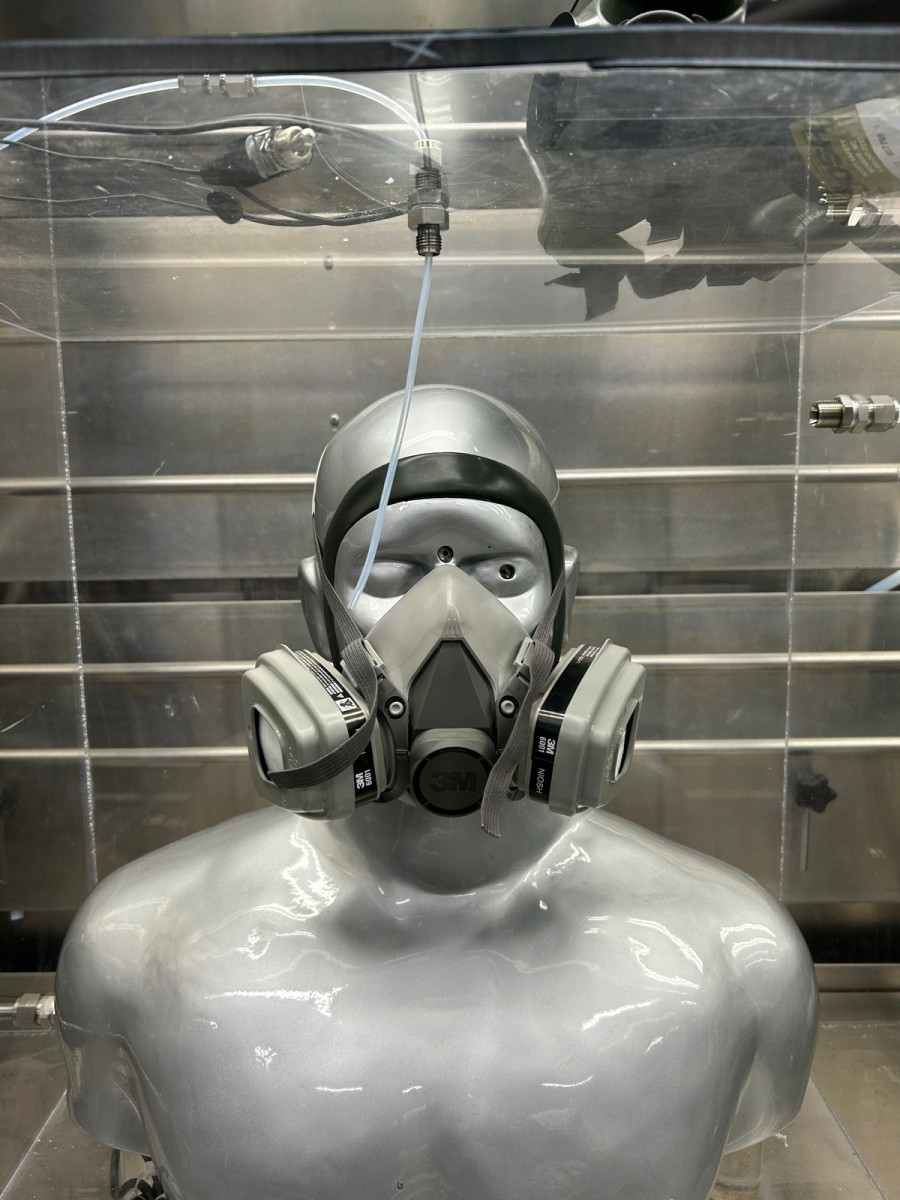
The Department of Homeland Security (DHS) Science and Technology Directorate (S&T) and the U.S. Army have teamed up on a joint study to better understan… The Department of Homeland Security (DHS) Science and Technology Directorate (S&T) and the U.S. Army have teamed up on a joint study to better understand and mitigate bulk ammonia transport hazards through the Ammonia Port Preparedness and Emergency Response (AmPPER) project. The AmPPER project evaluates transit vulnerabilities, tests the ability of protective gear to block toxic vapors, and examines engineered water-spray containment systems designed to protect port workers and surrounding communities during a major chemical release of ammonia. Experts from DHS S&T’s Chemical Security Analysis Center (CSAC) are working with researchers from the U.S.
Army Combat Capabilities Development Command Chemical Biological Center (DEVCOM CBC) to evaluate human exposure risks in the event of a transit incident. Ammonia is an essential chemical with global production surpassing 220 million tons annually. "Ammonia is used every day, and working with this compound reinforces how critical it is for American industry, economic commerce, and infrastructure resilience," said Jessica Cox, chemical security specialist at CSAC. "It impacts how our population is fed, how electronics are manufactured, how fuel is managed, and how food is stored." Because compressed ammonia is transported in large volumes across rail lines, waterways, and highways, accidental
Source & Attribution
This One Place News story was acquired from army.mil. OPN retains the source link and provenance for newsroom review.
Filed Under
Military News