
Bone health and the "silent disease": 4 things women should know
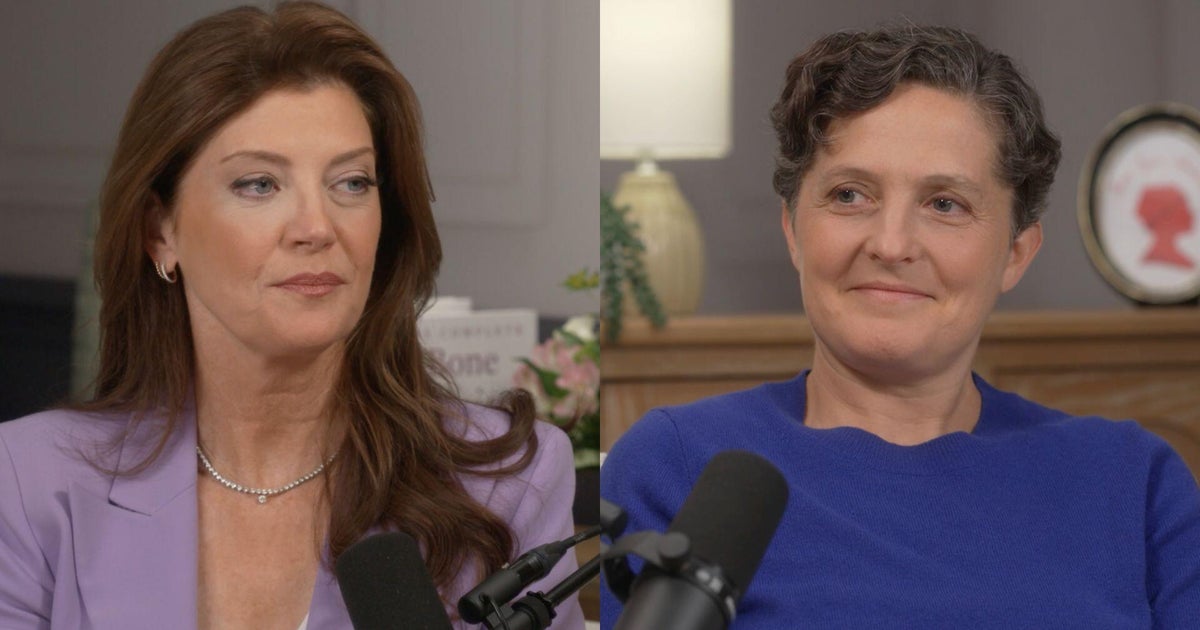
In the latest episode of “Healthful,” Dr. Jocelyn Wittstein, an orthopedic surgeon at Duke University School of Medicine, discusses what women should know about protecting their bones.
In the latest episode of "Healthful," Dr. Jocelyn Wittstein, an orthopedic surgeon at Duke University School of Medicine, discusses what women should know about protecting their bones. Seven out of 10 American women will have osteopenia or osteoporosis in their lifetime, and statistics show that bone conditions predominantly affect women more than men, especially menopausal and postmenopausal women. Dr. Jocelyn Wittstein, an orthopedic surgeon at Duke University School of Medicine who specializes in the relationship between menopause and bone health, says it's important to be aware of the risk sooner than many women think. "One of the major issues is that people think about their bone health later in life," Wittstein said, "after they've sustained a fracture." Those fractures could be an indication that someone has weak bones, also known as osteopenia, which could progress to the far more serious disease of osteoporosis.
"It's a silent disease until it's not silent," Wittstein said. You may not be able to feel your bones get weaker as you age, but it's happening at an accelerated rate the closer a woman gets to menopause. So, the question is: What can we do to protect our bones, to prevent or at least slow the progression of bone density loss? Dual-Energy X-ray Absorptiometry, or DEXA, scans measure a person's bone mineral density with a "T-score,"
Source & Attribution
This One Place News story was acquired from cbsnews.com. OPN retains the source link and provenance for newsroom review.
Filed Under
Breaking News