
Daylight saving time is almost over. Here's what to know.
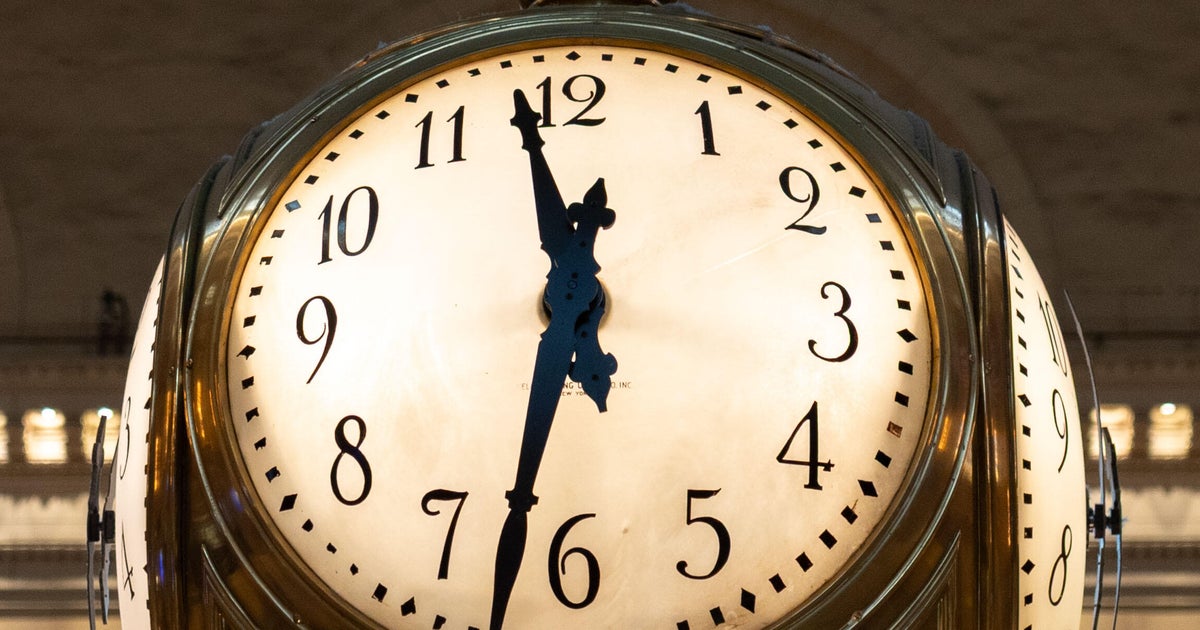
Millions of Americans gain an hour of sleep this weekend when the time change commonly known as daylight savings ends for 2026, meaning clocks “fall back.”
Millions of Americans will gain an hour of sleep this weekend when the twice-a-year time change commonly known as daylight savings ends for 2026. Most of the U.S. will "fall back" an hour when the clocks change at 2 a.m. on Sunday.Here's what to know about what's formally known as daylight saving time as it ends for the year:What is daylight saving time, and why do we have it?Daylight saving time is the period during the year, from March to early November, when the majority of the U.S. operates one hour ahead of standard time.The move effectively "saves" an hour of daylight from the morning and adds it to the evening during the spring and summer months when the days are the longest.
In the fall and winter months, when the days are shorter, the U.S. returns to standard time, with daylight coming earlier in the morning.For example, in Boston on Saturday, before the time change, the sun will rise at 7:16 a.m. and set at 5:39 p.m., according to the National Weather Service. On Sunday, back on standard time, sunrise will be at 6:17 a.m. and sunset will be at 4:37 p.m.The U.S. first adopted daylight saving time in 1918 during World War I as an effort to conserve fuel after Europe implemented its own time change, according to
Source & Attribution
This One Place News story was acquired from cbsnews.com. OPN retains the source link and provenance for newsroom review.
Filed Under
Breaking News