
Scientists discover a common sugar may help cancer cells break free and spread
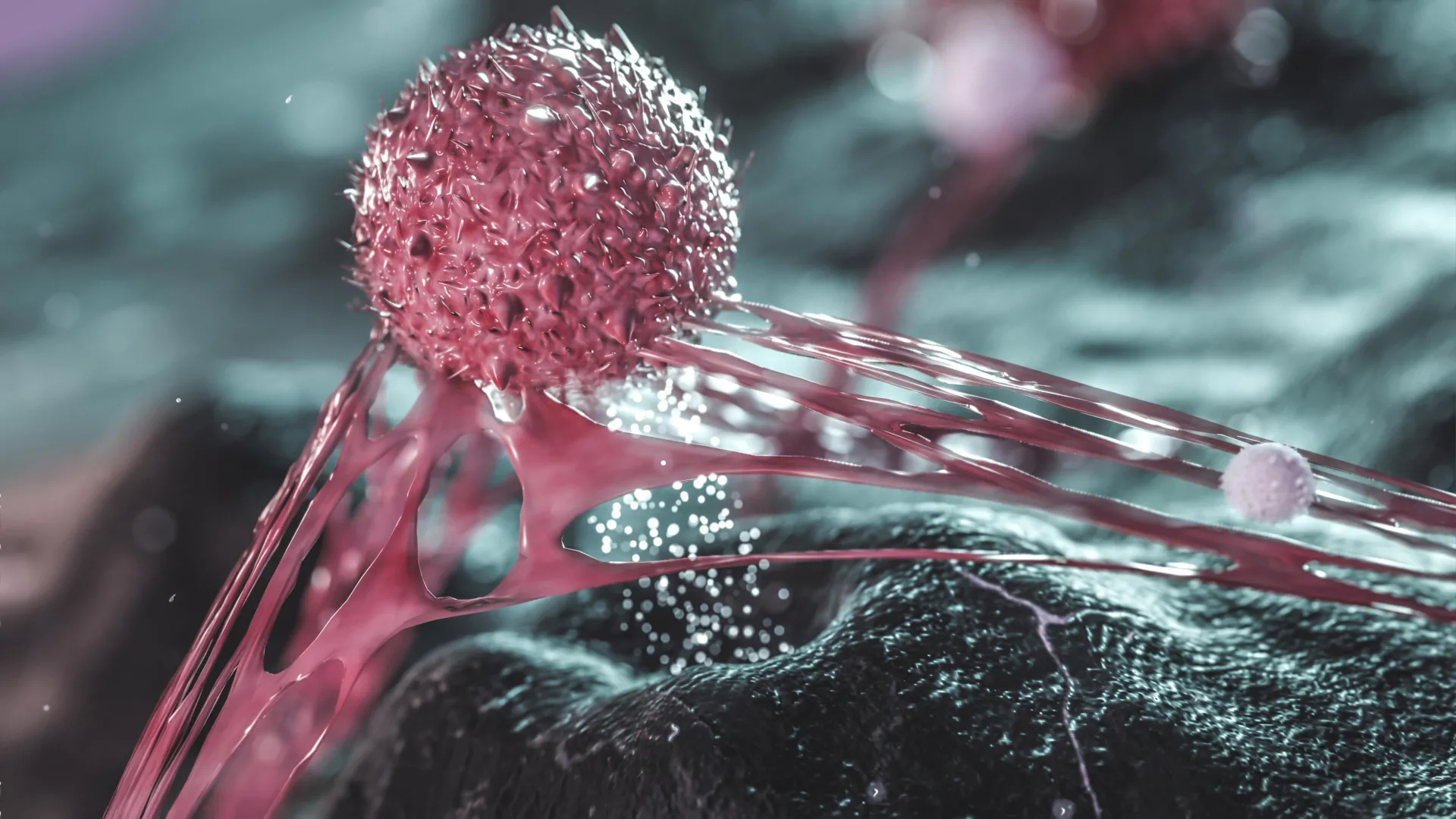
Scientists have uncovered a surprising way that fructose, a sugar commonly found in sweetened foods and drinks, may help aggressive ovarian cancer spread. Researchers discovered that cancer cells surviving chemotherapy release fructose that weakens the bonds holding neighboring tumor cells together, making it easier for cancer to spread. High dietary fructose levels and cholesterol-lowering statins also produced concerning effects in preclinical experiments. A common sugar found in many foods and sweetened drinks may play an unexpected role in helping aggressive ovarian cancer spread. Researchers at The Wistar Institute have discovered that cancer cells surviving chemotherapy can release fructose, which acts as a signal that encourages nearby tumor cells to break free and spread.
The findings, published in Nature Aging, reveal a previously unknown way that cancer cells can continue influencing a tumor even after treatment has stopped them from multiplying. The discovery also raises important questions about whether dietary sugar and commonly prescribed cholesterol medications could affect how cancer progresses. "Some cancer cells that survive chemotherapy aren't dividing anymore, but they're still biologically active," said Aidan Cole, Ph.D., a postdoctoral fellow in the lab of Katherine Aird, Ph.D., at The Wistar Institute and first author on the study.
Source & Attribution
This One Place News story was acquired from sciencedaily.com. OPN retains the source link and provenance for newsroom review.
Filed Under
Health & Food