
Scientists discover the immune system’s hidden sense of touch
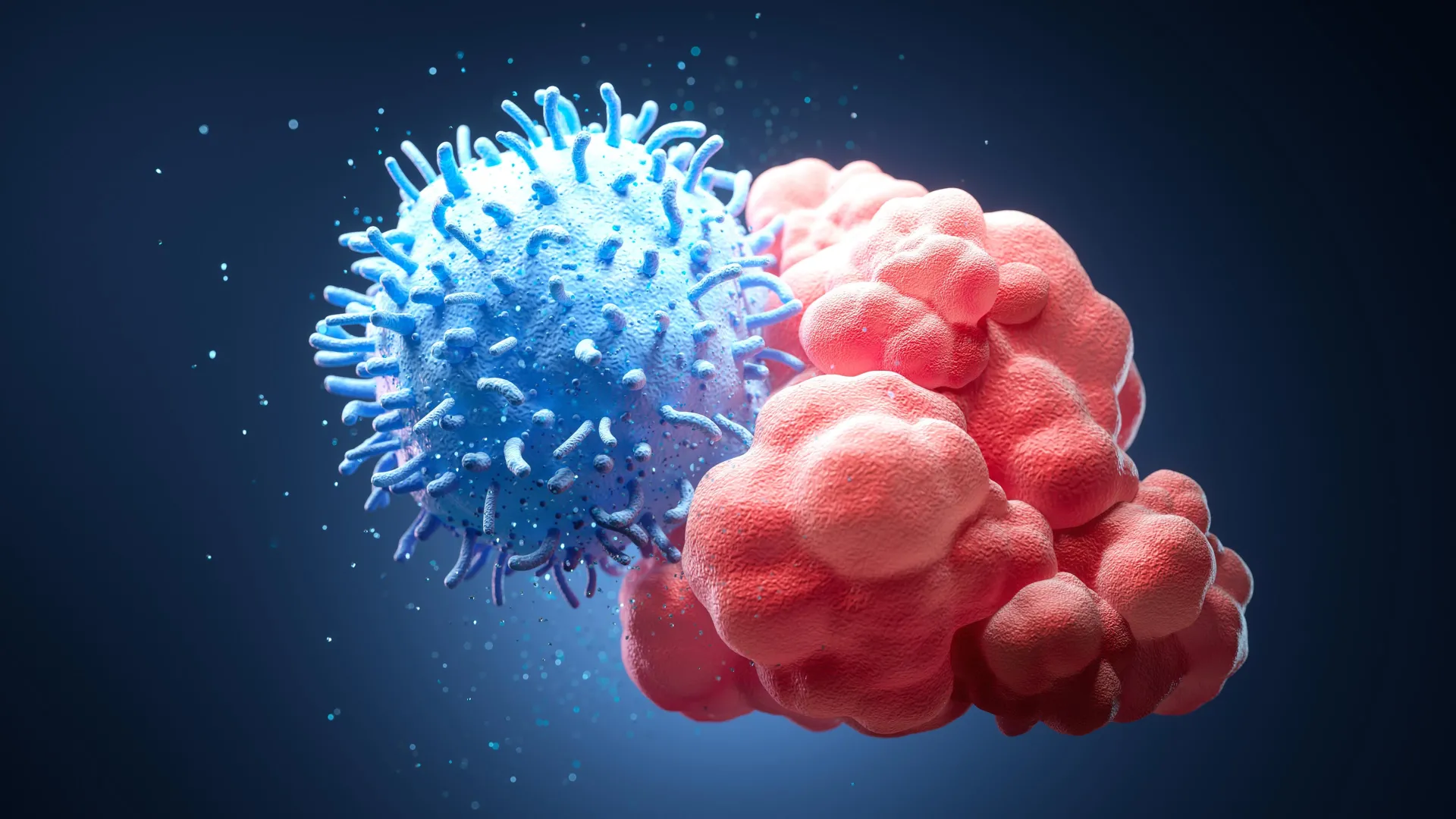
Scientists at McGill University have discovered a surprising new ability of immune cells that could change how we understand long-term immunity. Researchers found that T cells can actually sense how stiff their surrounding tissues are, using these physical signals to help determine whether they develop into long-lasting memory cells that protect against future infections. Scientists at McGill University have discovered a surprising ability in immune cells that could reshape our understanding of how the body develops lasting protection against infections. For years, researchers believed that tissue-resident memory T cells, specialized immune cells that remain in the body's tissues after an infection and respond quickly if the same threat returns, were guided mainly by chemical signals.
However, a new study published in Nature Immunology challenges that assumption. Researchers found that T cells can detect how stiff their surrounding tissues are and use this physical information to influence whether they develop into long-lasting memory cells. The findings suggest that adjusting to the stronger mechanical forces within tissues may be important for these protective cells to survive over time. "This is an exciting fundamental finding that challenges the way we think about immune cells," said lead author Judith Mandl, a professor in McGill's Department of Physiology. "It suggests T
Source & Attribution
This One Place News story was acquired from sciencedaily.com. OPN retains the source link and provenance for newsroom review.
Filed Under
Health & Food