
Scientists find a way to fight Alzheimer’s brain damage without removing toxic tau
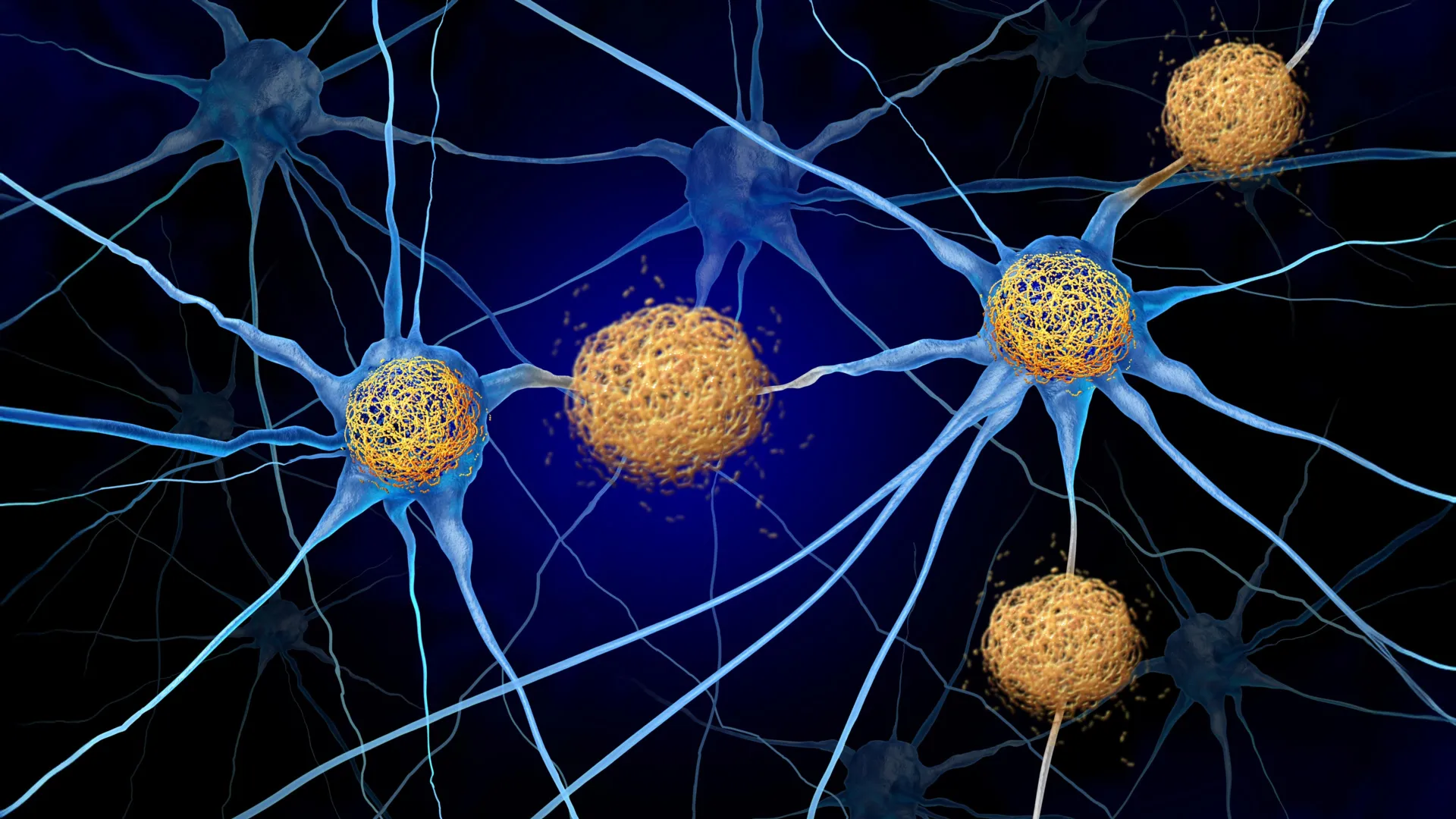
Scientists have found a promising way to protect the brain from Alzheimer’s-related damage by blocking immune cells that contribute to the destruction of neurons. In mice, the treatment preserved roughly 40% more tissue in memory centers and improved memory, even without removing harmful tau protein buildup. Protecting brain cells from destruction remains one of the biggest challenges in treating Alzheimer's disease and related neurodegenerative conditions. These disorders, known as tauopathies, involve the buildup of abnormal tangles of a protein called tau inside the brain. As the tangles accumulate, nearby neurons begin to die. However, growing evidence suggests that tau itself may not be responsible for most of the damage.
Instead, the immune system's reaction to the protein appears to play a major role in the loss of brain cells, memory, and independence. Scientists at Washington University School of Medicine in St. Louis have now identified a promising strategy for interrupting this damaging immune response. In mice with tau accumulation similar to that seen in Alzheimer's, researchers used an antibody to block a protein called CXCR3, which helps immune cells known as T cells enter the brain. After several months of treatment, the number of T cells inside the brain had fallen by approximately half. The results were striking. Compared with untreated mice, animals receiving
Source & Attribution
This One Place News story was acquired from sciencedaily.com. OPN retains the source link and provenance for newsroom review.
Filed Under
Health & Food