
One Place News
- Health & Food
- August 23, 2026
- 11 views
A major Alzheimer’s risk gene may shrink brain cells years before symptoms
Researchers have uncovered a possible reason why the Alzheimer’s risk gene APOE4 can disrupt the brain long before memory problems begin. In mice, APOE4 increased a protein called Nell2, shrinking…

- Health & Food
- August 17, 2026
- 15 views
A little-known protein may be fueling Alzheimer’s — and scientists found a way to block it
An experimental Alzheimer’s compound prevented damaging protein clumps from forming in the brains of mice, helping nerve cells survive longer and reducing amyloid buildup. The treatment also appeared to improve…

- Health & Food
- July 26, 2026
- 21 views
A hidden Alzheimer’s tipping point may decide who gets dementia
Scientists have identified a possible tipping point that helps determine whether Alzheimer’s-related brain changes lead to dementia. The key may lie in how the brain’s immune cells respond to plaques…

- Health & Food
- July 24, 2026
- 19 views
APOE2 may protect the brain from Alzheimer’s and aging
The longevity-linked APOE2 gene appears to protect brain cells by reducing DNA damage and helping neurons recover from stress. The finding could open a new path toward treatments that mimic…

- Health & Food
- July 20, 2026
- 21 views
Alzheimer’s breakthrough: Scientists restore two hours of sleep without clearing brain plaques
Researchers have uncovered a surprising culprit behind sleep loss in Alzheimer’s disease: the brain’s own immune cells. In mice with amyloid plaques, overactive microglia triggered inflammation that kept the brain…

- Breaking News
- July 18, 2026
- 20 views
New Alzheimer's blood test predicts who is likely to develop dementia in 5 to 10 years
A simple blood test detecting a specific protein linked to Alzheimer’s disease may help predict future cognitive decline in older adults up to a decade before any noticeable symptoms appear,…

- Health & Food
- July 17, 2026
- 26 views
New Alzheimer's drug repairs DNA damage and reduces brain inflammation
A drug originally developed for spinal cord injury may offer a fresh approach to treating Alzheimer’s disease. In mouse studies, KCL-286 repaired dangerous DNA damage, reduced inflammation, and targeted multiple…

- Breaking News
- July 15, 2026
- 28 views
Alzheimer's stole pieces of our lives. A new treatment is giving us a fighting chance
Millions of Americans are rightfully terrified of Alzheimer’s disease. They have witnessed its devastating impact on their families and friends. But we, five patients from different corners of the country,…
- Breaking News
- July 15, 2026
- 37 views
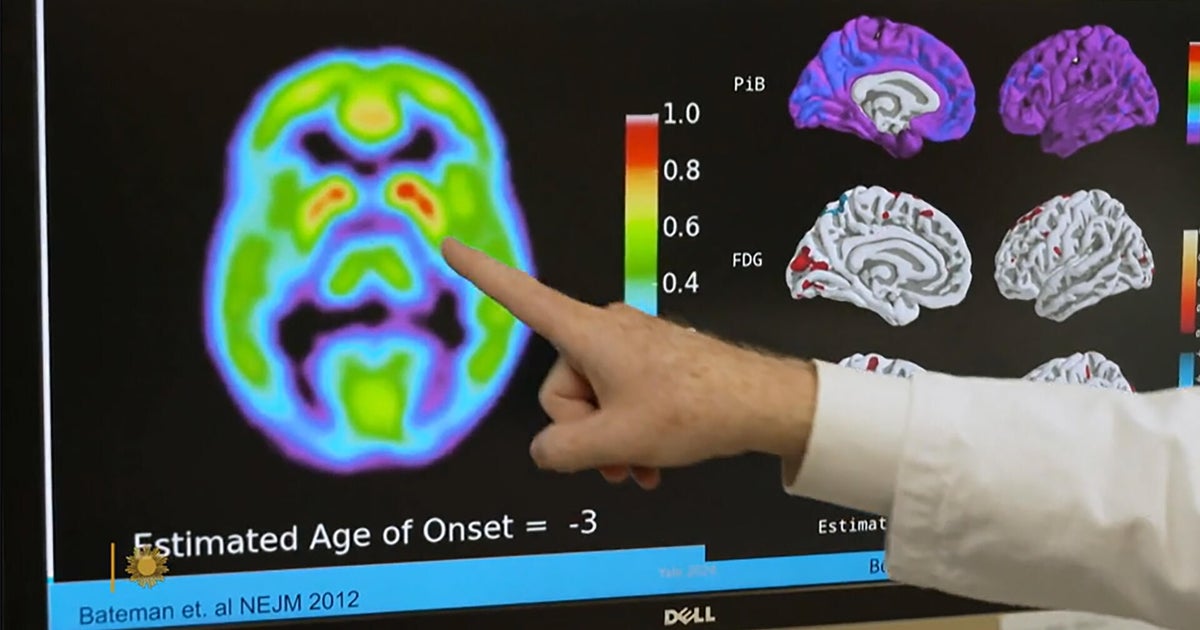
Alzheimer's blood test may show who's likely to develop it in 5 to 10 years
A blood test may predict if apparently healthy older adults are likely to develop Alzheimer’s symptoms in the next five or 10 years, researchers say.
- Breaking News
- July 15, 2026
- 37 views
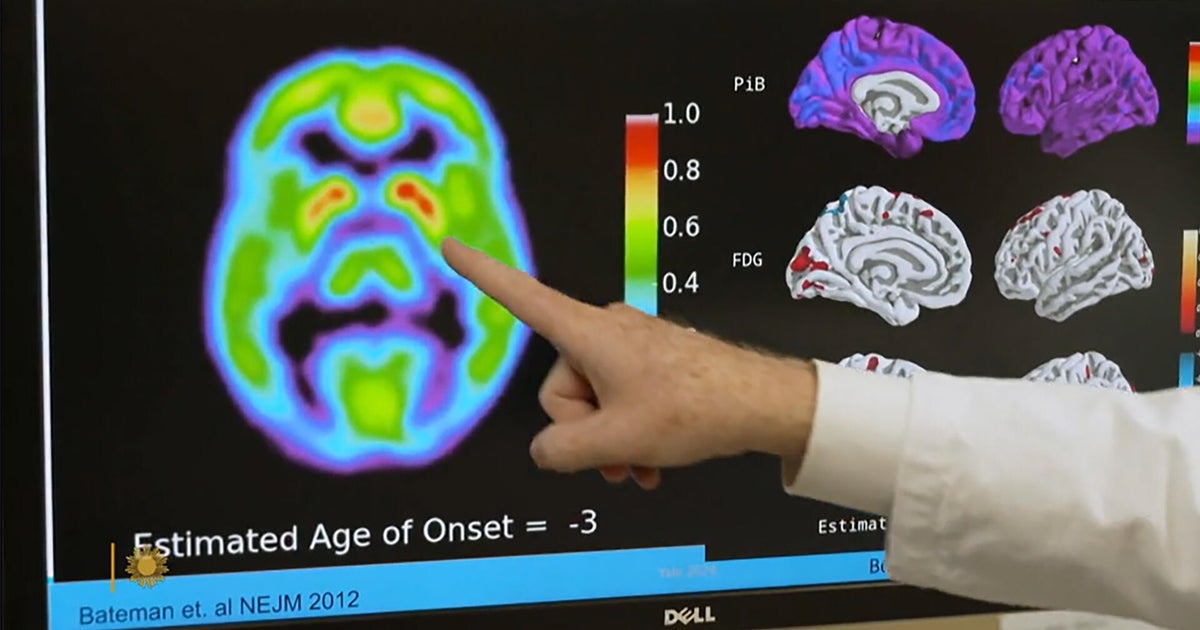
Alzheimer's blood test may show who's likely to develop it in 5 to 10 years
A blood test may predict if apparently healthy older adults are likely to develop Alzheimer’s symptoms in the next five or 10 years, researchers say.