
Theranos whistleblower Tyler Shultz warns that the AI boom is ‘a great opportunity to go deceive people’
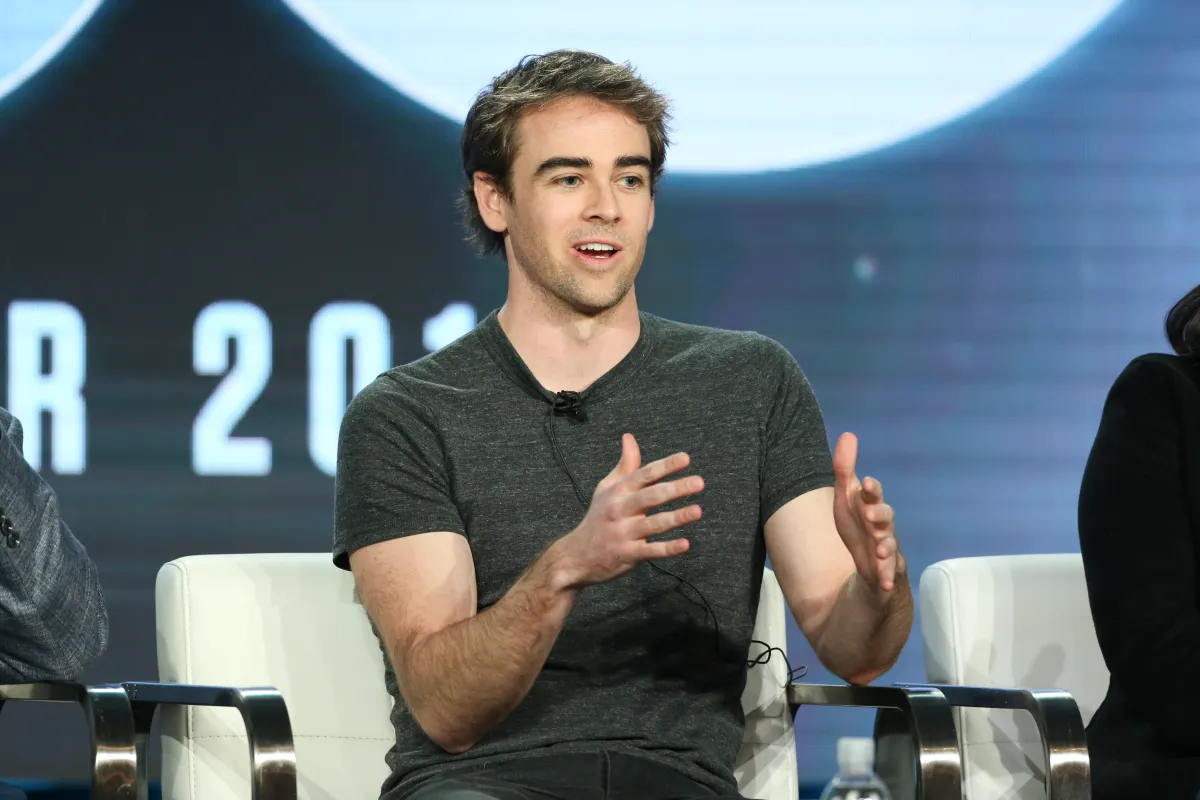
The cautionary Theranos tale takes on a new significance in the AI era, when companies that have never turned a profit are raising capital at trillion-dollar valuations. “You Can See Everything,” the documentary capturing disgraced Theranos founder Elizabeth Holmes’ final weeks before prison, is sparking national conversation as it becomes one of the highest-grossing documentaries of all time. The film, directed by Nathan Fielder and Lance Oppenheim, intentionally refuses to characterize Holmes as a master manipulator or victim, instead highlighting her uncanny, almost hypnotic knack for making people pity her, even when they’re well aware of her crimes. Tyler Shultz didn’t need to see “You Can See Everything” to make up his mind about Holmes.
Shultz, whose first job out of college was at Theranos, was a key whistleblower who exposed the company’s dangerously inaccurate blood testing devices, which made their way into Walgreens stores and delivered faulty results to real patients. (Theranos reached a peak valuation of around $10 billion despite its technology never actually working — the company only used its own machines for a fraction of tests, instead outsourcing others to third-party equipment.) There is little reason to keep talking about Holmes — her case is closed, and she’s in federal prison — but her con-artistry has fascinated the media (myself included) for the last decade. In
Source & Attribution
This One Place News story was acquired from techcrunch.com. OPN retains the source link and provenance for newsroom review.
Filed Under
Technology & AI