
Under the Gun: Understanding America’s Defense Spending Paradox – Time Magazine
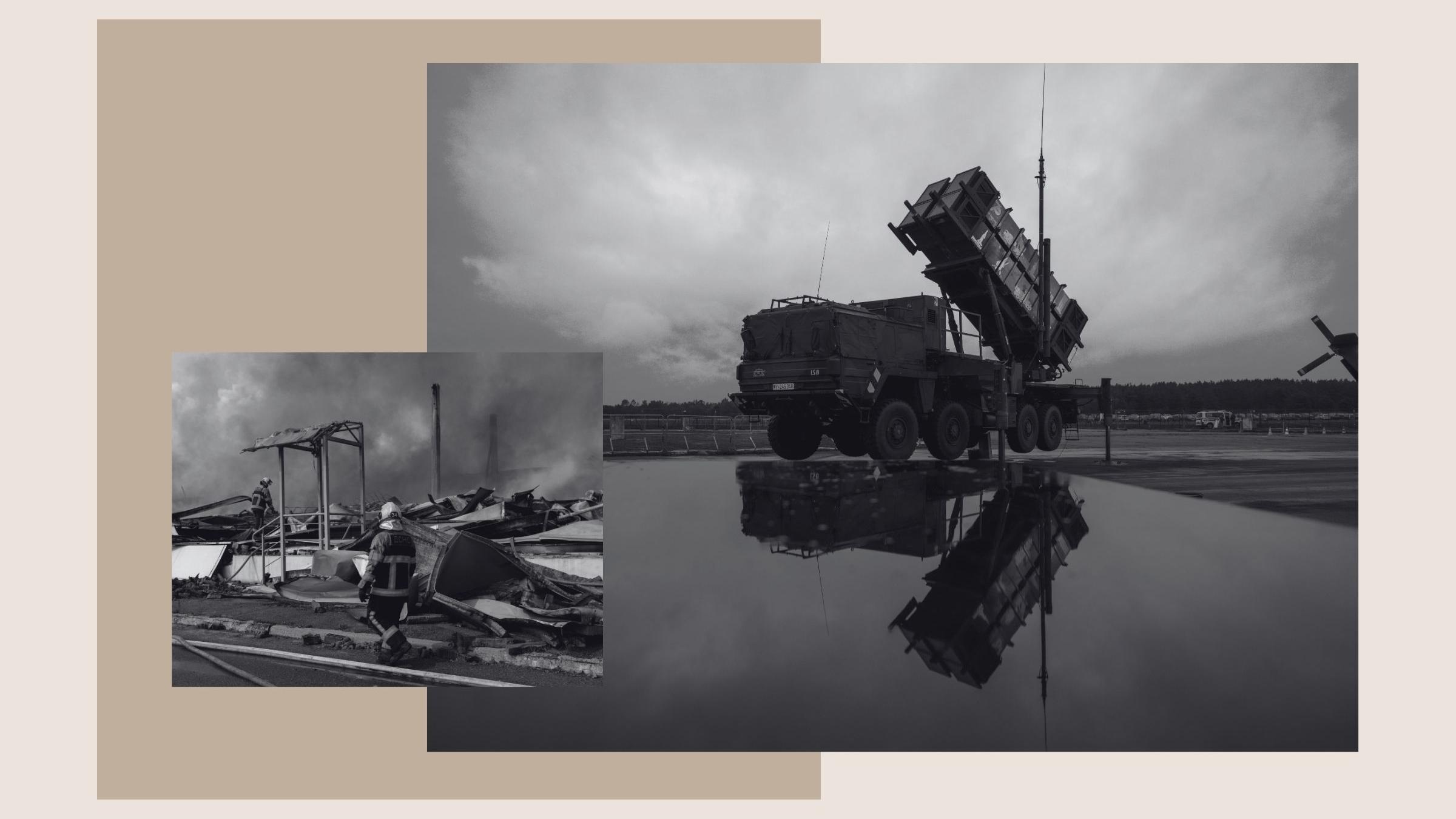
Under the Gun: Understanding America’s Defense Spending Paradox Time Magazine
"How is it possible that the most expensive military in the history of the world doesn’t have enough ammunition to fight a war?" asks Joshua Keating. On May 9, 1915, more than 11,000 British troops were killed or wounded in a single day during an ill-fated assault on an entrenched German position in Aubers, France. The reason for the disaster: a shortage of artillery shells to support the assault, particularly the high-explosive shells best suited for trench warfare. The resulting “Shell Crisis of 1915,” led to a major reorganization of the British government’s defense production system. It still wasn’t enough to prevent the fall of Prime Minister H.H. Asquith a year later.
The shell crisis of World War I reminds us just how hard it is to prepare for long wars. “In almost every war there comes a point when it's clear that the peacetime defense industry, even if it had been ramping up, is inadequate for the demands of war,” says Mark Cancian, a retired Marine Colonel who is now a senior adviser at the Center for Strategic and International Studies (CSIS). More than a century later, the world, and warfare, have changed. But even in a world of fighter jets, nuclear weapons, satellite communications, drones, and AI, ammunition still matters. The decline of the British Empire was followed
Source & Attribution
This One Place News story was acquired from news.google.com. OPN retains the source link and provenance for newsroom review.
Filed Under
Military News