One Place News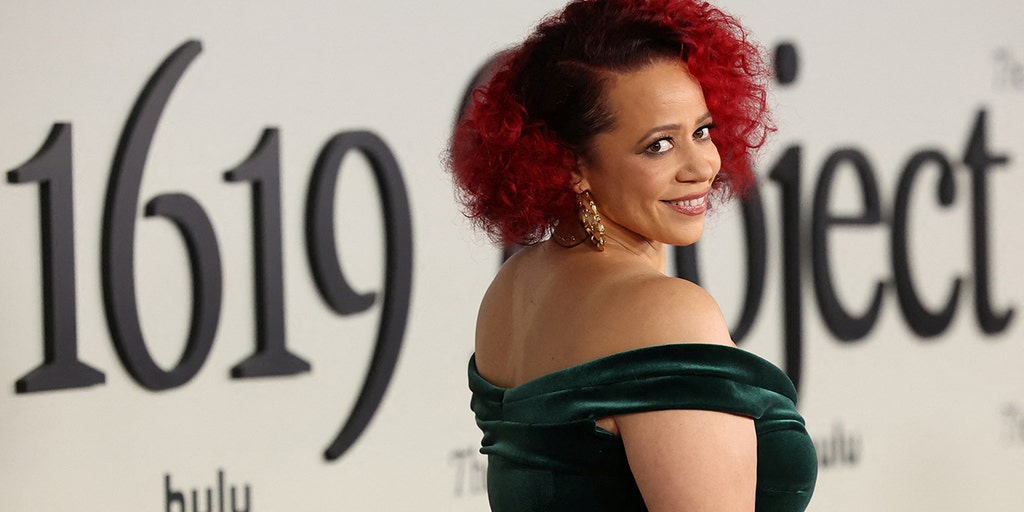
Nikole Hannah-Jones, the creator of the controversial 1619 Project, recently argued that paying reparations for slavery would serve as an admission that the “entire existence of the United States” is a crime.
“Paying reparations is an admission of the crime,” Hannah-Jones stated last week. “But it’s not an admission of the crime of a handful of bad apples or a few years of bad policy. It is the crime of the entire existence of the United States.”
Hannah-Jones’ comments came during an interview with the left-leaning media outlet The Meteor. The conversation, hosted by Brittany Packnett Cunningham, centered on the legacy of slavery and the push for reparations as the nation approaches its 250th anniversary.
DEMOCRATIC LAWMAKER CLAIMS BLACK AMERICANS WILL STOP VOTING IF THEY DON’T GET REPARATIONS
The journalist, who won a Pulitzer Prize in 2020 for her work on the 1619 Project, argued that America’s history is so deeply rooted in slavery that simply removing monuments would not suffice.
“You could never knock down all the statues to enslavers, or you have to remove all the monuments on the Mall in Washington,” she said. “Slavery predates the founding of our country by 150 years.”
The New York Times’ 1619 Project is a long-form collaboration that seeks to “reframe the country’s history” by bringing slavery and racism to the forefront of the national narrative. While praised by liberals, the project has faced intense scrutiny and pushback from prominent historians who have publicly disputed its factual accuracy, particularly its claims regarding the motivations behind the American Revolution.
BIDEN-APPOINTED JUDGE ORDERS TRUMP TO RESTORE SLAVERY, CLIMATE CHANGE REFERENCES AT NATIONAL PARKS
Despite the criticism, the 1619 Project’s theories of American history were later developed into an educational curriculum with the help of the Pulitzer Center. According to the nonprofit, hundreds of schools have received copies of The New York Times Magazine issue, and over 4,000 educators have used its resources — a move that has sparked fierce backlash from parents and conservative lawmakers across the country fighting critical race theory (CRT).
During the interview, the Howard University journalism professor cited the American education system’s approach to teaching about slavery as a driving force behind the recent conservative pushback against Juneteenth and CRT.