
JBLM Environmental team works with partners to conserve species, maximize training flexibility
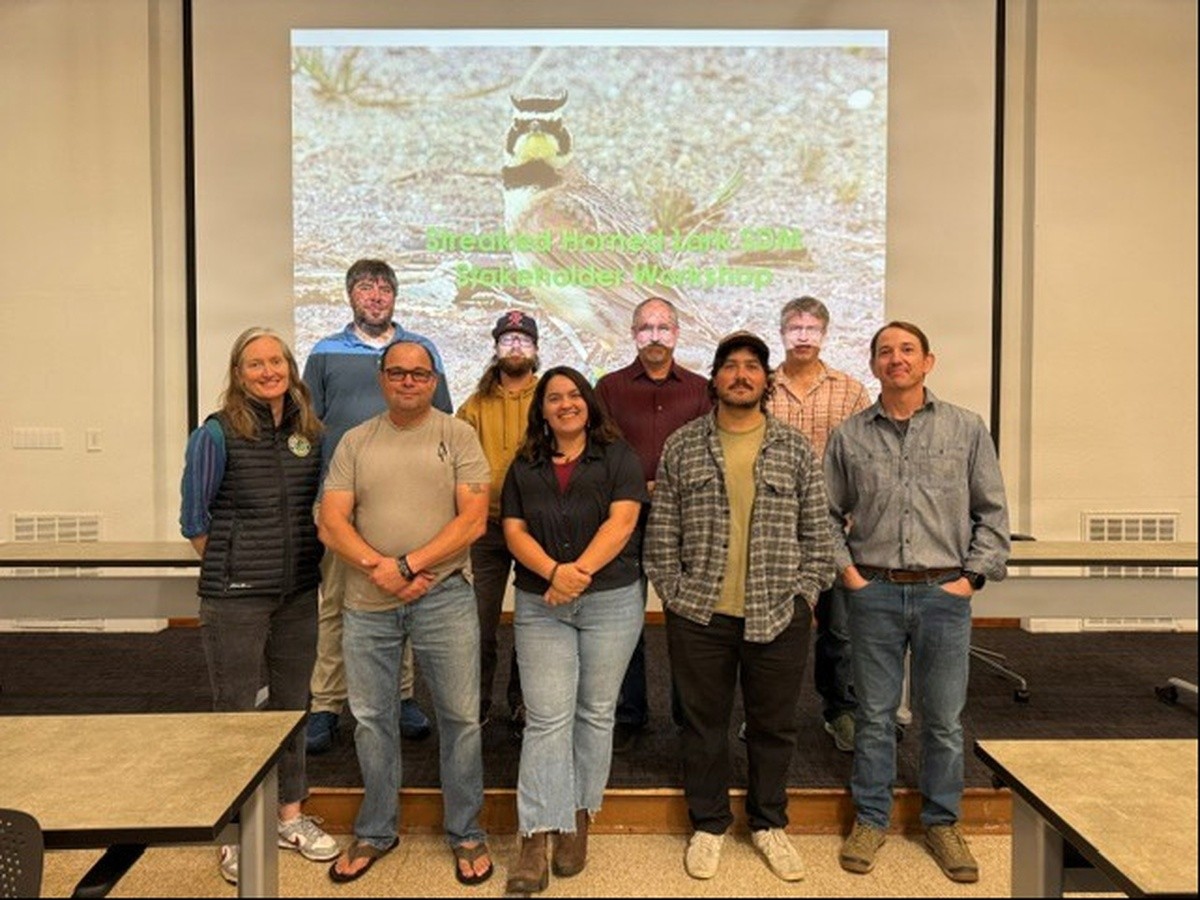
JOINT BASE LEWIS-McCHORD, Wash. – Joint Base Lewis-McChord’s Species Management and Modeling Team is collaborating with federal and state partners to ad… JOINT BASE LEWIS-McCHORD, Wash. – Joint Base Lewis-McChord’s Species Management and Modeling Team is collaborating with federal and state partners to add another species — the streaked horned lark — to its habitat-based, population modeling management framework, aiming to meet conservation goals for the bird while maximizing training flexibility. The framework includes a modeling tool that assesses how the lark and other protected species would be affected by specific actions on base, such as construction or artillery training. This data helps JBLM identify lower-impact options, work with regulatory agencies, and inform leadership decisions on mitigation for activities with greater potential effects.
The overall framework is part of a joint initiative with the Department of the Interior and Department of War. It received a 2026 Secretary of the Army Environmental Award for Natural Resources Conservation in the Individual/Team Category. The team met in September with stakeholders, including the U.S. Fish and Wildlife Service, U.S. Geological Survey, Washington Department of Fish and Wildlife, and non-governmental organizations, to add the streaked horned lark to JBLM’s modeling tool. They used a structured scientific decision-making process to guide development of the lark model and evaluate how different base activities could affect the species.
Source & Attribution
This One Place News story was acquired from army.mil. OPN retains the source link and provenance for newsroom review.
Filed Under
Military News