
Why the world should care about the far right’s rise in Germany
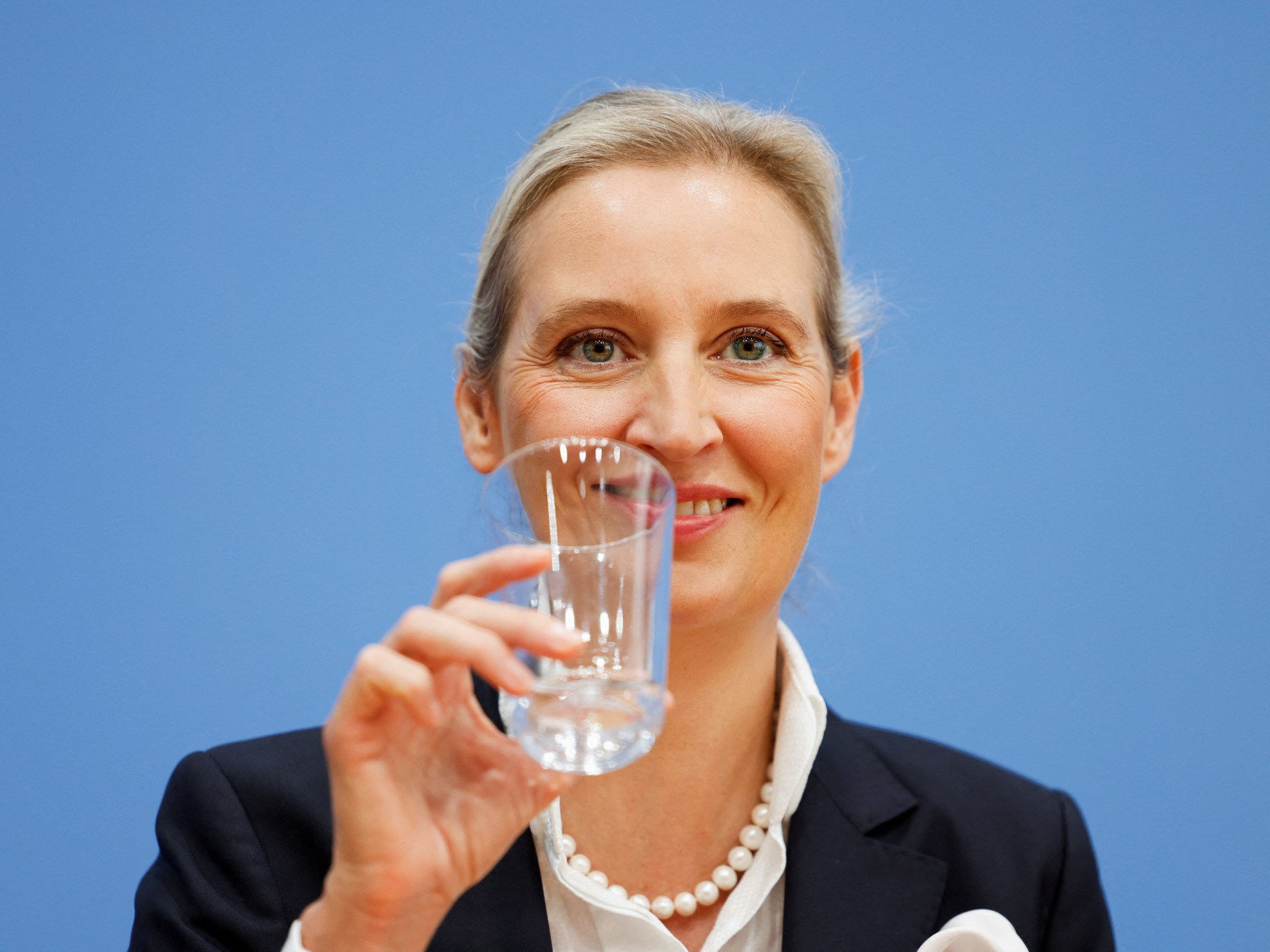
The AfD has a far different vision on support for Ukraine, foreign aid and Russia than the governing coalition. The Alternative fur Deutschland (AfD) party won 43.8 percent of the popular vote in the eastern state of Saxony-Anhalt on September 6, trouncing the governing Christian Democratic Union (CDU). That victory brought a party which follows in the historical footsteps of Adolf Hitler’s Nazi party closer than it has ever come since World War II to ruling a German state. Two weeks later, the AfD took more than 38 percent of the vote in a regional election in Mecklenburg-Western Pomerania, where the Christian Democrats failed to cross the 5 percent threshold to enter the regional parliament – “a disaster”, said Chancellor Friedrich Merz.
“What it’s doing is what the far right has done elsewhere, and that is essentially erode the consensus against a set of mainstream political parties… hollowing out of the centre,” Catherine Fieschi, a political scientist with the Carnegie Endowment for International Peace and an expert on the European far right, told Al Jazeera. The left-wing Die Linke party took 25.3 percent of the vote in a separate by-election in Berlin on Sunday, illustrating how German voters are being pulled by both ends of the political spectrum. Here’s why the far right’s rise in Germany matters to the rest
Source & Attribution
This One Place News story was acquired from aljazeera.com. OPN retains the source link and provenance for newsroom review.
Filed Under
World News