
‘WarGames’ and ‘The Day After’ Changed the National Security Debate – Foreign Policy
‘WarGames’ and ‘The Day After’ Changed the National Security Debate Foreign Policy
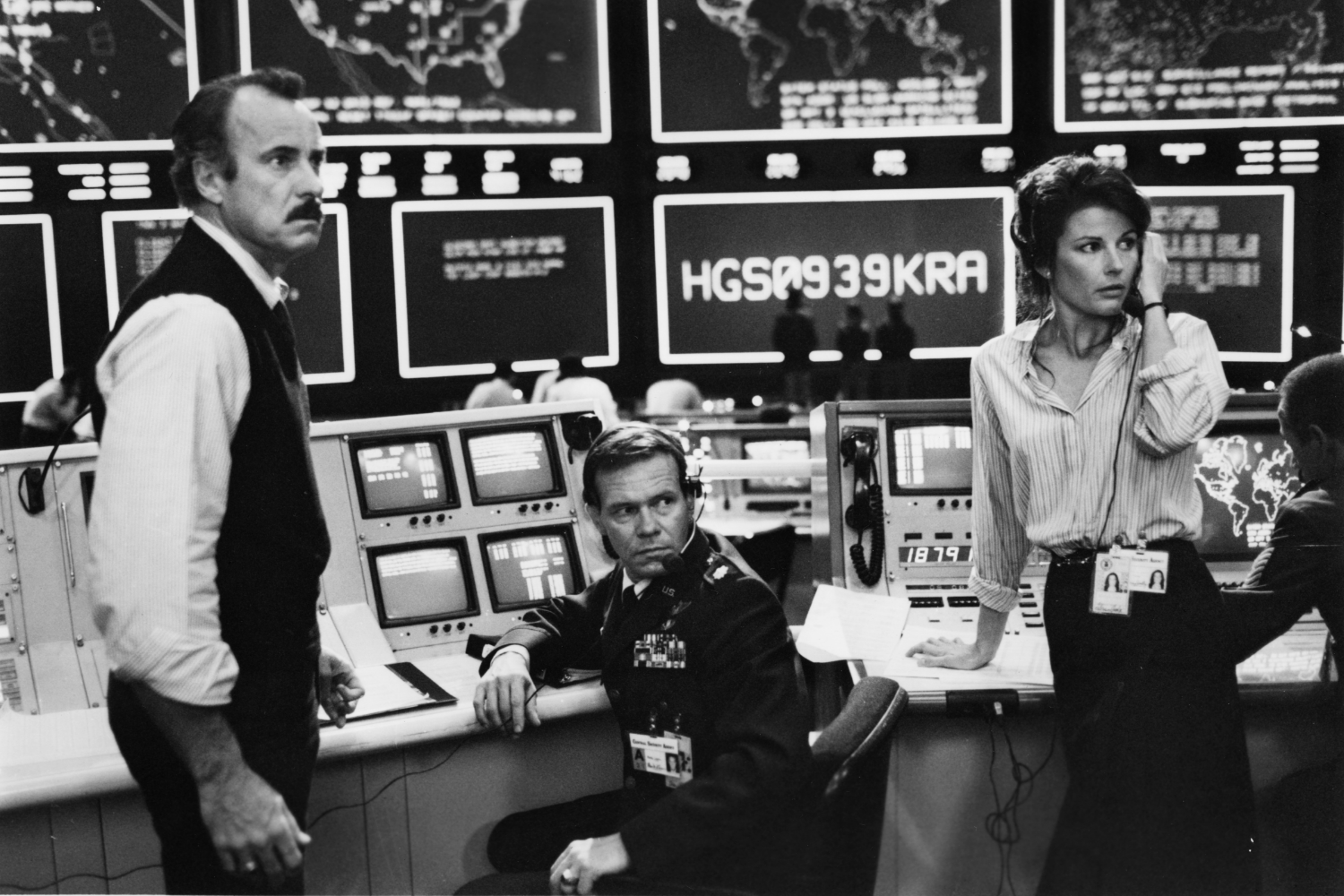
In 1983, two movies sought to educate and alarm the public about the risks of new technologies. Sometimes, when policymakers, activists, and interest groups are failing to move the needle, popular culture can create the kind of pressure that is necessary for political change. This is certainly part of the hope behind the new documentary The AI Doc: Or How I Became An Apocaloptimist. The filmmakers have decided that the best way to reach broad audiences about the dangers posed by artificial intelligence is through movies. Though the film is a documentary, Tristan Harris, co-founder of the Center for Humane Technology, has explained in interviews that a model for this project was, The Day After, a fictional film about nuclear war that aired on ABC in 1983.
The movie, Harris said, was “an example of the power that a film can have to nudge the world in a different direction.” Rather than focusing on the halls of Congress or the seminar rooms of Washington think tanks, Harris—who is interviewed in the film—understands that changing public opinion requires movies, television, social media clips, and other forms of cultural outreach. These are the spaces where it might still be possible to reach Americans. The AI Doc, directed by Daniel Roher and Charlie Tyrell, sounds the alarm on the dangers we all face.
Source & Attribution
This One Place News story was acquired from news.google.com. OPN retains the source link and provenance for newsroom review.
Filed Under
Military News