
Scientists discover cells that cheat death and rebuild damaged tissue
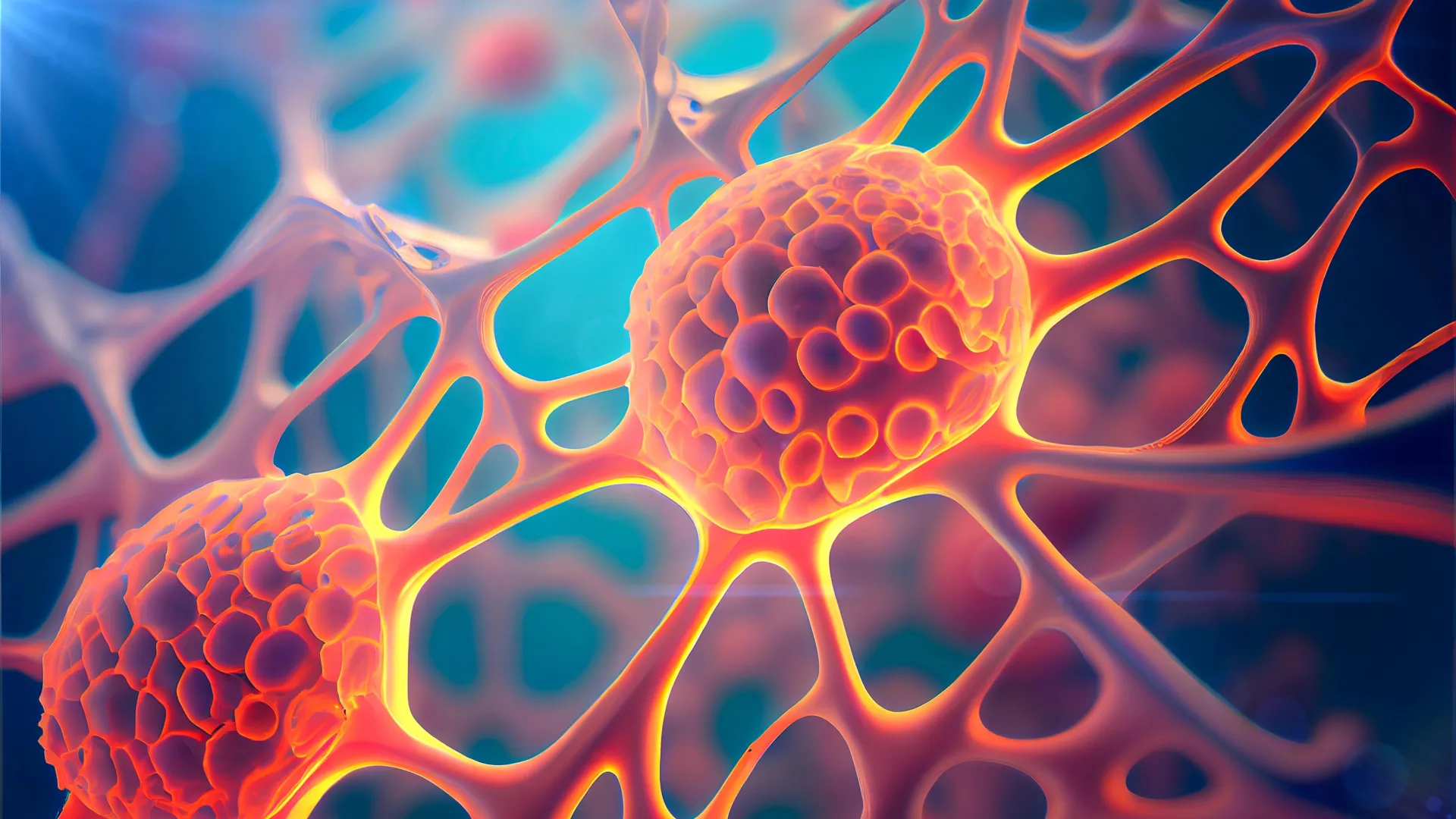
Scientists discovered a population of cells that can start the process of programmed cell death, survive it, and then help rapidly rebuild damaged tissue. Their descendants become far more resistant to future damage, revealing a mechanism that could improve healing but may also help cancers return after treatment. Scientists uncover a cellular survival mechanism that helps severely damaged tissue regenerate and may also reveal why some cancers return after treatment. Tissues such as skin, along with the epithelial layers that cover and line many organs, have a remarkable ability to rebuild themselves after extensive damage. Scientists have known about this response, called compensatory proliferation, for roughly half a century.
Yet exactly how cells manage to trigger such dramatic regrowth has remained a mystery. The phenomenon was first documented in the 1970s, when researchers exposed fly larvae to high doses of radiation. Despite major damage to epithelial tissue, the larvae were able to regenerate fully functional wings. Similar regenerative responses have since been observed across many species, including humans. Now, researchers at the Weizmann Institute of Science say they have identified a molecular mechanism that helps explain how this process works. Their study, published in Nature Communications, points to a surprising role for caspases, enzymes best known for helping destroy cells. Instead of
Source & Attribution
This One Place News story was acquired from sciencedaily.com. OPN retains the source link and provenance for newsroom review.
Filed Under
Health & Food