
Hidden “immune organ” in the skull may help fight brain cancer
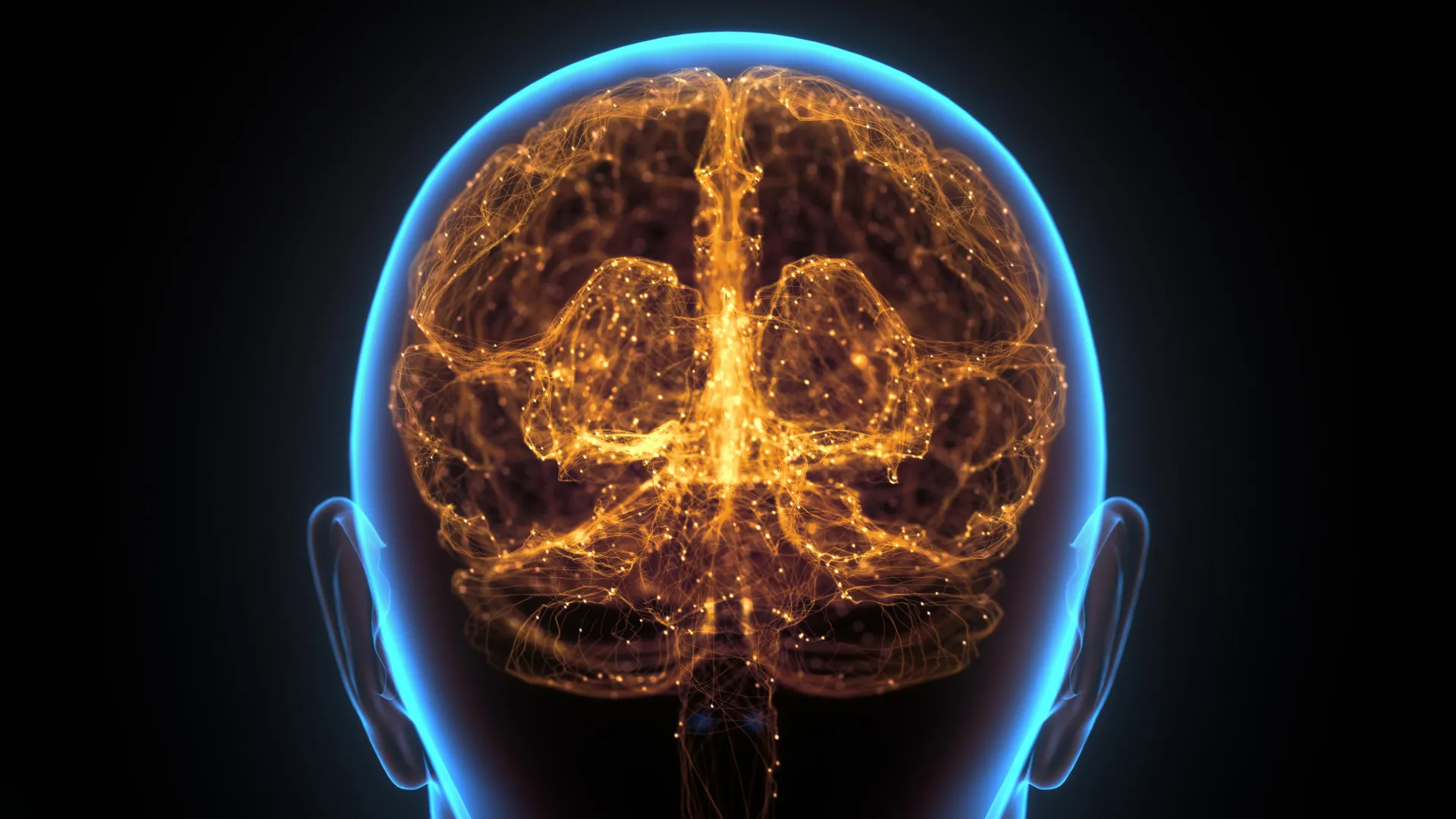
Scientists discovered a hidden “immune organ” inside the skull that acts as a rapid first responder against brain cancer in mice. Strengthening this local immune defense improved tumor rejection and survival, raising the possibility of new treatments that target the skull directly. Researchers at Washington University School of Medicine in St. Louis have identified previously unknown lymph node-like immune structures in the skull bone marrow of mice. The findings suggest these nearby immune hubs can respond rapidly to brain cancer, becoming active before more distant lymph nodes even receive signals that something is wrong. The team also found evidence of similar immune cells in human skull bone marrow, suggesting that this local defense system may not be limited to mice.
Scientists once believed that the brain was largely isolated from the immune system. That view has changed dramatically in recent years. The new findings suggest the brain not only communicates with immune cells, but may also have specialized immune "security stations" positioned unusually close by. Published in Nature, the study is the first to identify immune hubs of this kind inside bone. "This study reveals that the skull bone marrow is far more than just a structural framework — it harbors previously unrecognized hubs for brain-specific immune responses," said senior author Jonathan Kipnis, PhD, the Alan A. and
Source & Attribution
This One Place News story was acquired from sciencedaily.com. OPN retains the source link and provenance for newsroom review.
Filed Under
Health & Food