
Army nears crucial brain health testing milestone
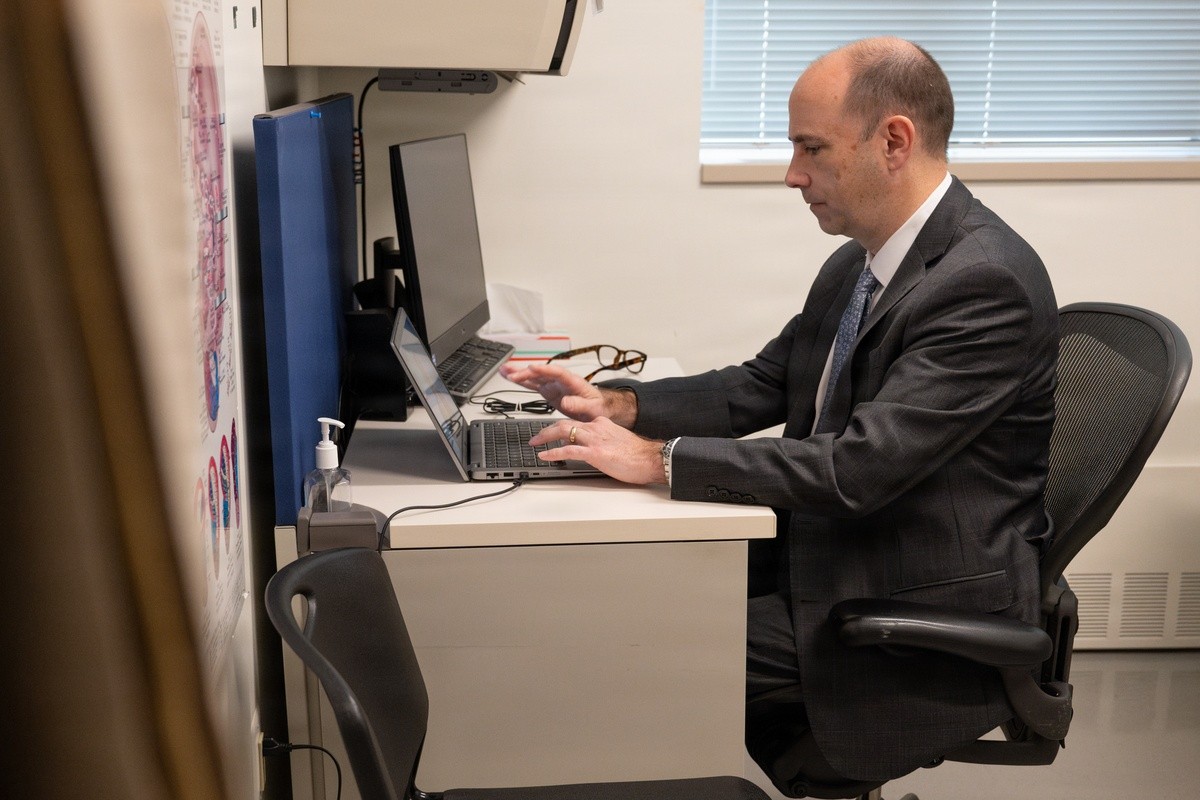
WASHINGTON — About 97 percent of Soldiers have taken the Neurocognitive Assessment Tool assessment, helping medical professionals combat the effects of… WASHINGTON — About 97 percent of Soldiers have taken the Neurocognitive Assessment Tool assessment, helping medical professionals combat the effects of blast overpressure and low-level blast exposure, the Army's top leader overseeing safety and occupational health said. “It demonstrates our commitment to cognitive safety, medical readiness and warfighting capability,” said Assistant Secretary of the Army for Installations, Energy and Environment Jordan Gillis. The War Department established NCAT as a required cognitive baseline assessment to monitor and track Soldier brain health and support recovery of traumatic brain injuries. Soldiers in impacted career fields, including those operating heavy weapons systems such as field artillery, combat engineers and explosive ordnance disposal technicians, must take the assessment under a War Department directive.
Troops in these fields must take the NCAT upon entering the military, before deployment and following an injury or suspected concussion. The Army requires Soldiers in high-risk military occupational specialties to complete the assessment annually and for all Soldiers to take the test every three years. According to studies published by the National Institutes of Health, continuous exposure to blast shockwaves has been linked to TBI. Gillis, as the Army’s Designated Agency Safety and Health Official, or DASHO, oversees the Army's
Source & Attribution
This One Place News story was acquired from army.mil. OPN retains the source link and provenance for newsroom review.
Filed Under
Military News