
This common mistake can add nearly 7 points to your blood pressure reading
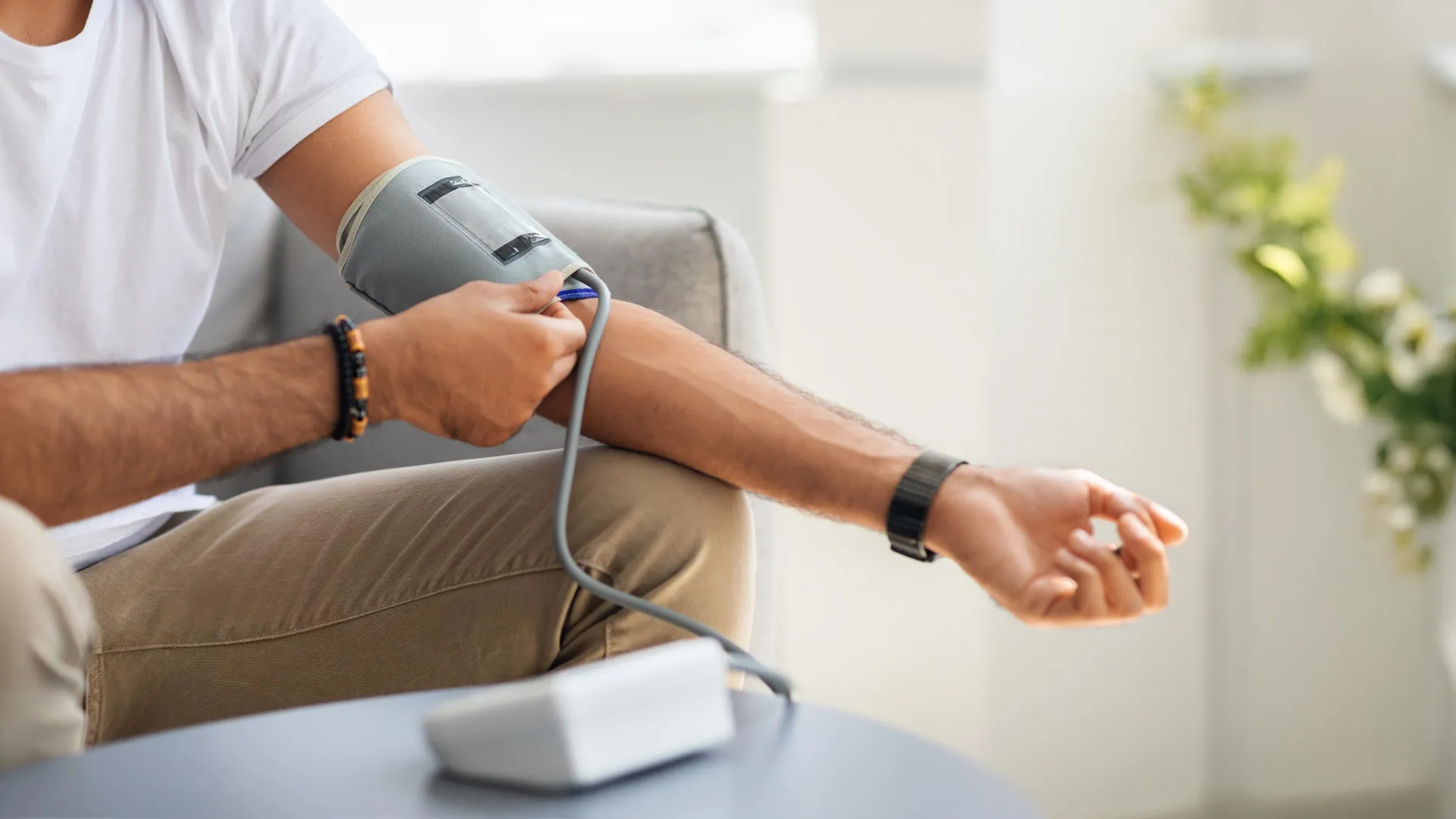
A common mistake during blood pressure checks could make readings appear substantially higher than they really are. Johns Hopkins researchers found that leaving the arm unsupported can raise systolic readings by about 6.5 mmHg, potentially affecting a hypertension diagnosis. A Johns Hopkins Medicine-led study suggests that the way a patient positions their arm during a blood pressure (BP) check can meaningfully affect the result. Common arm positions used during screenings may make blood pressure appear higher than it actually is, potentially contributing to an incorrect diagnosis of hypertension. In a report on the study, published in JAMA Internal Medicine, researchers compared three arm positions: an arm supported on a desk, an arm supported on a lap, and an unsupported arm hanging at the patient's side.
They found that resting the arm on the lap increased systolic pressure (the top number in a BP reading) by nearly 4 mmHg, while allowing the arm to hang unsupported at the side increased systolic pressure by nearly 7 mmHg. The results show that arm position makes a "huge difference" in obtaining an accurate blood pressure measurement, according to Tammy Brady, M.D., Ph.D., vice chair for clinical research in the Department of Pediatrics at the Johns Hopkins University School of Medicine, medical director of the pediatric hypertension program at Johns Hopkins Children's Center, deputy director
Source & Attribution
This One Place News story was acquired from sciencedaily.com. OPN retains the source link and provenance for newsroom review.
Filed Under
Health & Food