
Modern neuroscience is rediscovering a surprising idea freud had 130 years ago
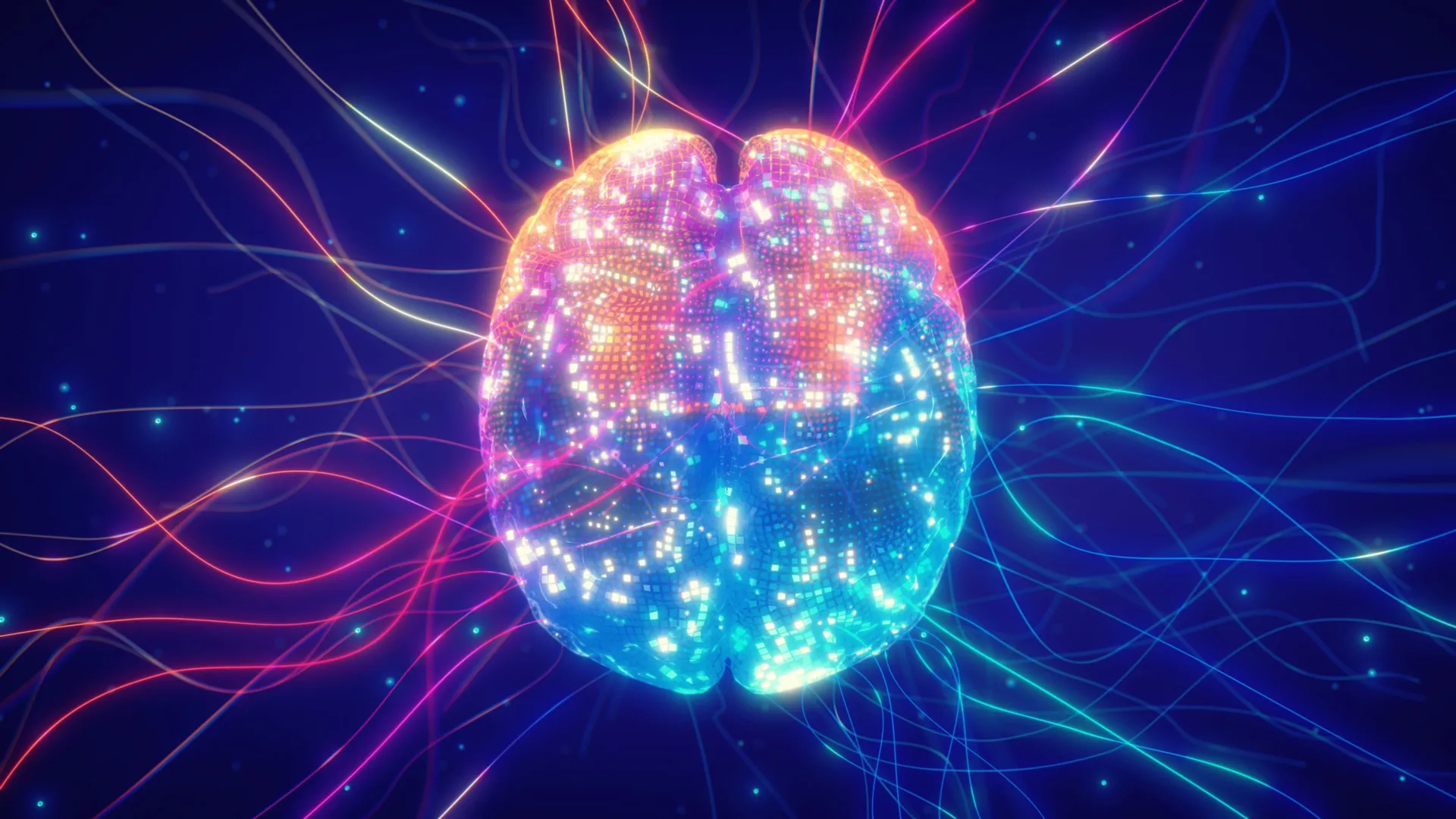
Researchers have identified striking parallels between Sigmund Freud’s century-old theories and modern neuroscience, suggesting that the brain’s constant predictions shape how we experience reality. The findings could help explain why harmful thought patterns are so difficult to break and offer new insights into treating mental disorders. What if the human brain works in ways that Sigmund Freud began describing more than 130 years ago? A new scientific analysis suggests that some of his ideas about the mind share surprising similarities with one of the most influential theories in modern neuroscience. Published in the scientific journal Entropy, the paper explores connections between Freud's original theories, later developments in psychoanalysis, and a modern approach to brain research known as the prediction paradigm.
This approach describes the brain as a prediction machine. Rather than simply responding to information from the outside world, the brain is constantly anticipating what will happen next. It then compares those expectations with incoming information from the senses and works to reduce any differences between what it predicted and what actually occurred. Scientists believe this ongoing process plays a central role in how people perceive their surroundings, make decisions, behave, and regulate emotions. Researchers Erik Stänicke, Bendik Hovet, and Line Indrevoll Stänicke, together with colleagues, argue that this modern understanding of
Source & Attribution
This One Place News story was acquired from sciencedaily.com. OPN retains the source link and provenance for newsroom review.
Filed Under
Health & Food