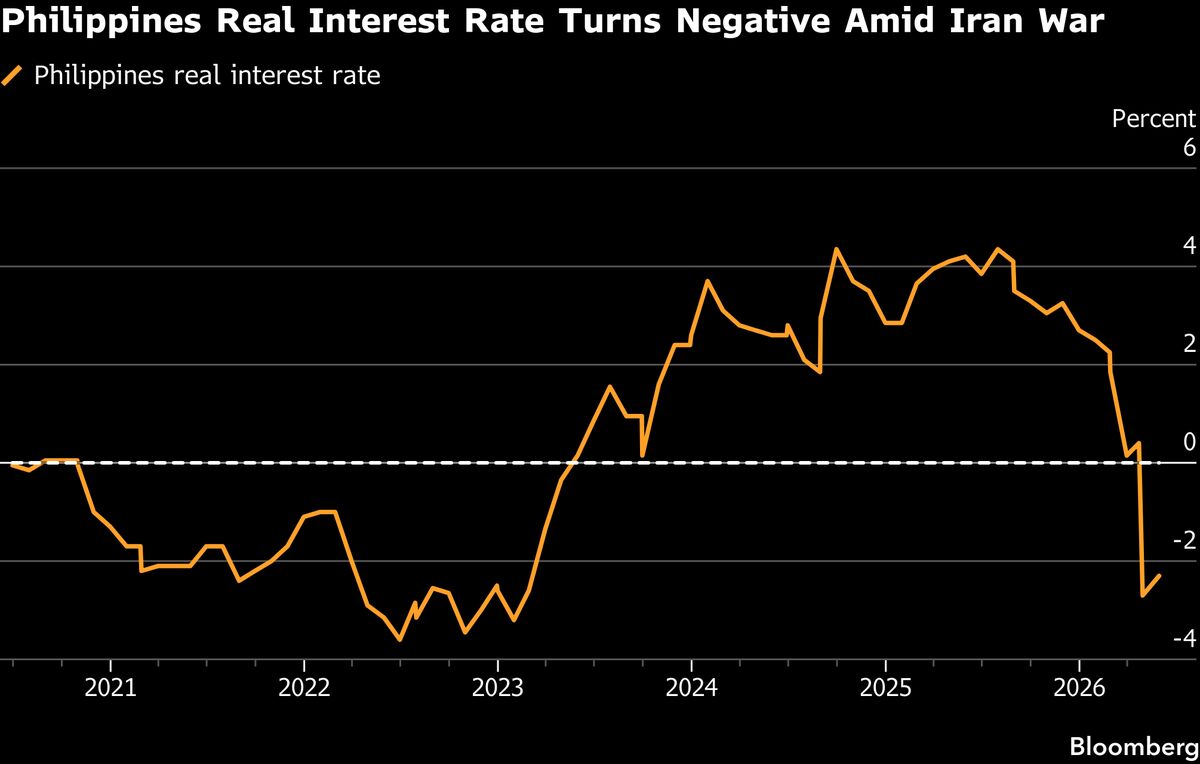
Indonesia and Philippines to Raise Interest Rates Amid Risks

Source: Bloomberg Economics

Summary

Indonesia and the Philippines are expected to raise interest rates as their central banks remain cautious amidst ongoing inflation and currency concerns. This decision comes even with the possibility of a calm in the Middle East conflicts affecting global markets.

Why It Matters

The interest rate hikes by Indonesia and the Philippines highlight the ongoing economic challenges faced by emerging markets in maintaining stability. As these nations grapple with inflationary pressures, their monetary policy decisions can have significant implications for regional investments and economic growth. Understanding these trends is crucial for businesses and investors looking to navigate the evolving economic landscape in Asia.


Read the full article →

  • Related Posts

    Bank of England Keeps Rates Steady Amid Oil Price Drop

    The Bank of England decided to maintain interest rates at 3.75% amid a drop in oil prices, which they described as “encouraging.” However, two policymakers expressed concerns and voted for an immediate rate increase due to ongoing inflation worries.

    US Jobless Claims Decline: A Sign of Labor Market Strength

    US jobless claims dipped last week, indicating continued resilience in the labor market. This decline suggests that hiring trends may remain stable despite economic uncertainties.

    Leave a Reply

    Your email address will not be published. Required fields are marked *

    You Missed

    Bank of England Keeps Rates Steady Amid Oil Price Drop

    Bank of England Keeps Rates Steady Amid Oil Price Drop

    US Jobless Claims Decline: A Sign of Labor Market Strength

    US Jobless Claims Decline: A Sign of Labor Market Strength

    Cuba’s Market Reforms Amid US Sanctions

    Cuba’s Market Reforms Amid US Sanctions

    Office workers of the world unite: it’s time to revive the three-martini lunch | Andrea Javor

    Cost of Cooling Homes Soars to $800 Amid Economic Divide

    Trump’s Department of War: Implications for U.S. Policy