Impact of U.S.-Iran Deal on Markets and Wallets

Source: CNBC

Summary

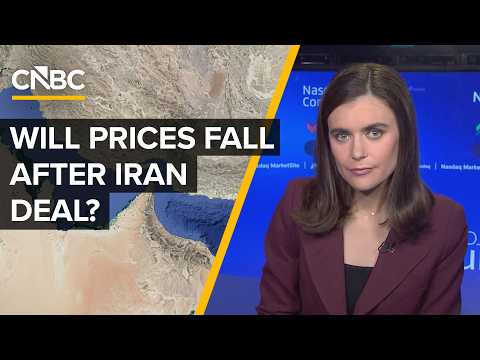
President Trump and Iranian leaders signed a memorandum of understanding that aims to reopen the Strait of Hormuz and stabilize oil prices. This deal could have significant repercussions for global markets and individual wallets as oil supply and demand dynamics shift.

Why It Matters

The reopening of the Strait of Hormuz is crucial for global oil trade, impacting fuel prices worldwide. As markets respond to changes in oil supply, individuals may see fluctuations in gas prices and broader economic implications that affect their financial decisions.


Read the full article →

  • Related Posts

    Challenges in Restoring Traffic Through Hormuz

    The US and Iran have pledged to reopen the Strait of Hormuz, crucial for global oil and gas shipping, which has faced major disruptions since their conflict began. Restoring prewar traffic levels is fraught with challenges, with current predictions placing the likelihood of normalization at 51% by August and 68% by September.

    Warsh’s Inflation Stance Shakes Financial Markets

    Kevin Warsh’s inaugural press conference as Federal Reserve chairman shocked markets with his firm commitment to controlling inflation. His decisive stance indicates a potential shift in monetary policy that investors must now navigate.

    Leave a Reply

    Your email address will not be published. Required fields are marked *

    You Missed

    Black Soldiers Transformation of the Civil War

    Job Market Thaw: Hiring Shows Signs of Recovery

    US Lifts Naval Blockade Amid Iran Deal Controversy

    US Lifts Naval Blockade Amid Iran Deal Controversy

    GOP Suggests China’s Role in U.S. Data Center Controversy

    GOP Suggests China’s Role in U.S. Data Center Controversy

    FDA Approves Moderna’s Flu Shot for Seniors

    FDA Approves Moderna’s Flu Shot for Seniors

    Duckworth Urges FAA to Reject White House Arch Proposal

    Duckworth Urges FAA to Reject White House Arch Proposal