oneplacenews
The news everyone’s been hoping for has arrived: a ceasefire is set to begin on April 7, 2026. It’s a two-week pause in hostilities, a crucial window for de-escalation and, hopefully, laying the groundwork for something more lasting. This isn’t the end of the conflict, mind you, but it’s a significant step away from the brink.
This temporary peace didn’t happen overnight. It’s the result of complex negotiations, a bit of brinkmanship, and some serious diplomatic effort. Understanding how we got here is key to appreciating what this ceasefire could mean.
The Role of Brokerage
Pakistan’s Diplomatic Push
Prime Minister Shehbaz Sharif of Pakistan played a pivotal role in bringing the two sides to the table. His government has been actively engaged in brokering dialogue, recognizing the immense regional and global stakes. Sharif’s efforts focused on creating space for diplomacy, urging a delay in further military action to allow for meaningful negotiation.
U.S. Mediation Efforts
On the U.S. side, Vice President JD Vance served as a key interlocutor in these discussions. His involvement signifies the U.S. administration’s engagement with the proposed solutions and their willingness to explore avenues beyond military engagement, at least for a defined period.
Key Terms of the Agreement
The ceasefire isn’t a blanket surrender or a complete cessation of all actions. It’s built on specific understandings and conditions, designed to facilitate further talks while maintaining some leverage.
Iran’s Acceptance and Conditions
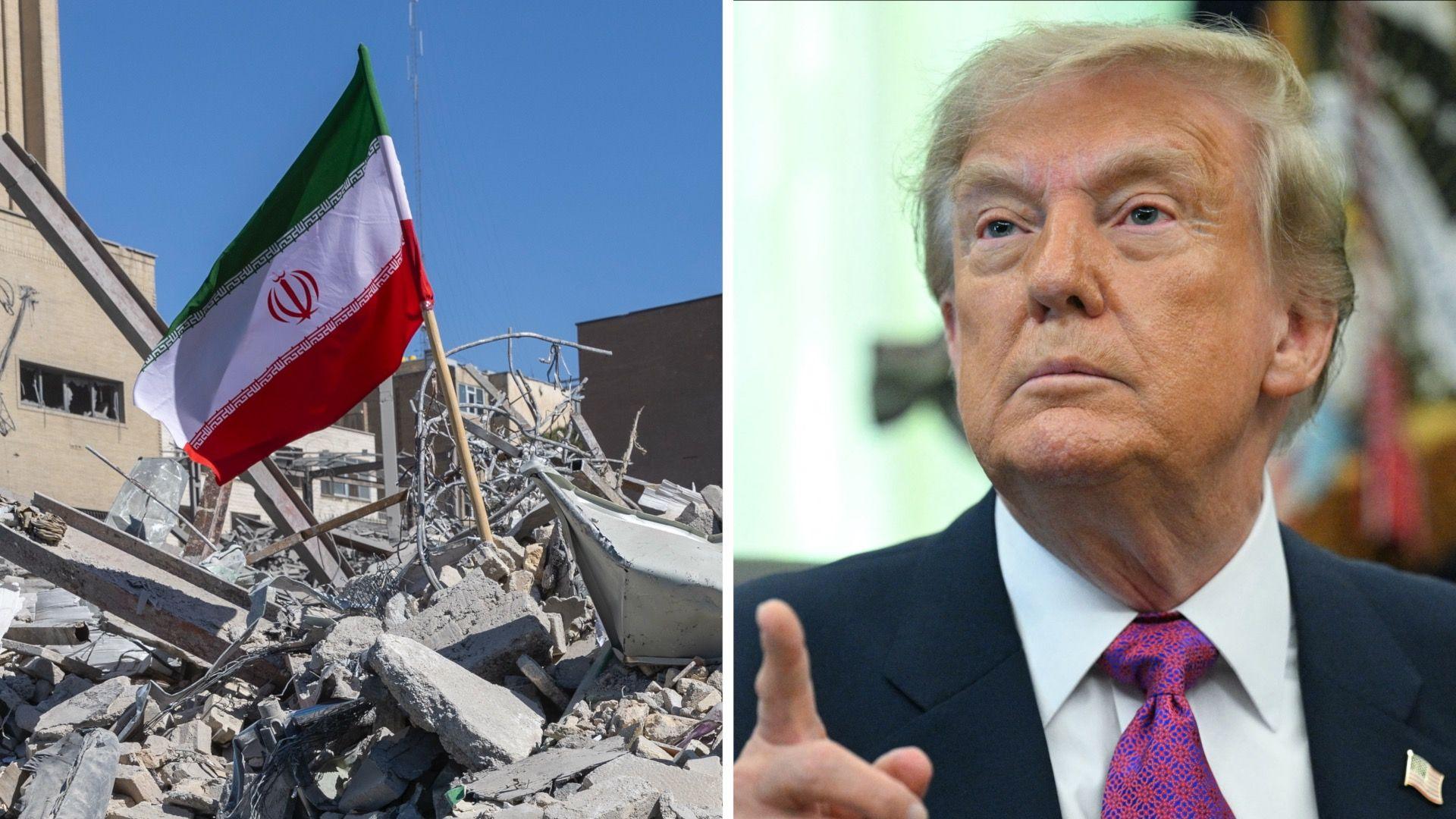
Iran’s Supreme National Security Council announced their acceptance of a two-week ceasefire. It’s important to note their statement emphasizing that this is not the end of the conflict. They’ve explicitly reserved the right to respond forcefully if there are any perceived missteps or provocations from the opposing side. This signals a cautious approach, acknowledging the fragility of the situation.
U.S. Conditional Suspension
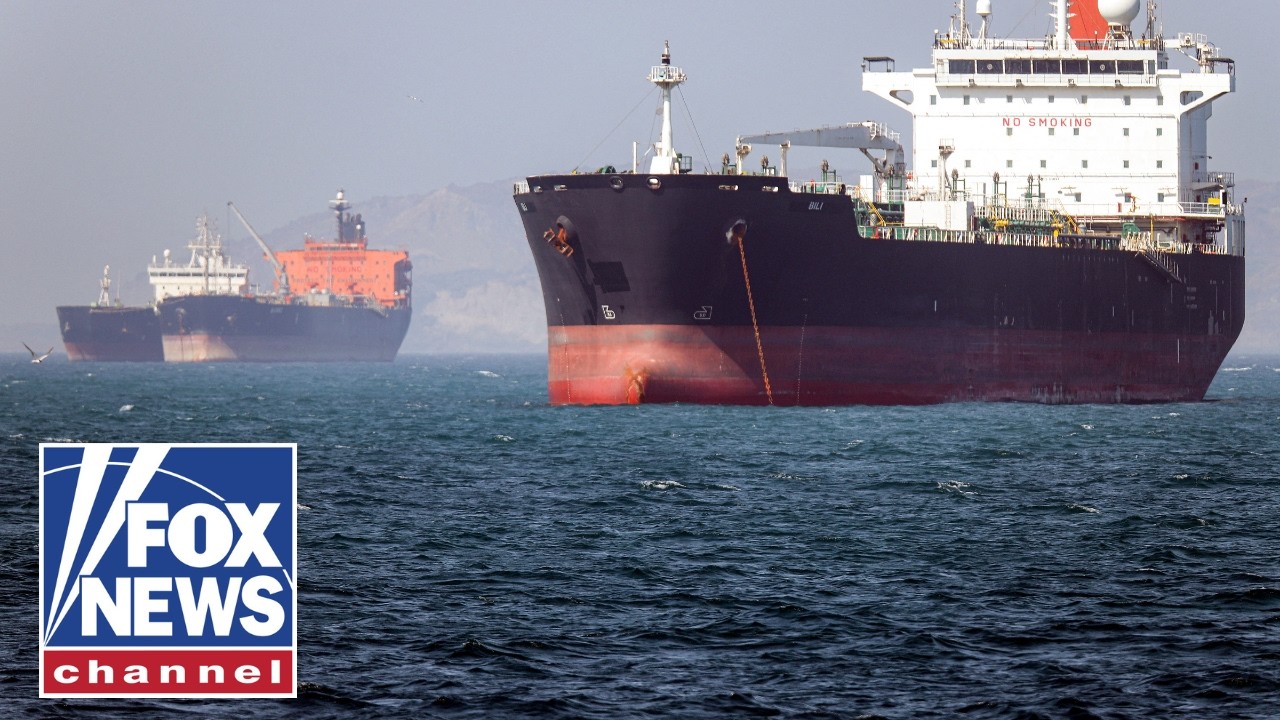
President Donald Trump’s agreement to a two-week suspension of bombing and attacks is also conditional. A primary condition is the immediate and safe reopening of the Strait of Hormuz by Iran. This is a critical economic and strategic choke point, and its status is clearly a major point of contention. Trump also indicated a pullback from threats against civilian infrastructure like bridges and power plants, a move that potentially lessens the risk of civilian casualties.
The Road to Agreement: A Tense Lead-Up

The days leading up to April 7th were incredibly tense. Reports indicate significant military actions continued right up until the deadline, highlighting the difficulty in achieving a complete de-escalation.
Pre-Deadline Escalations
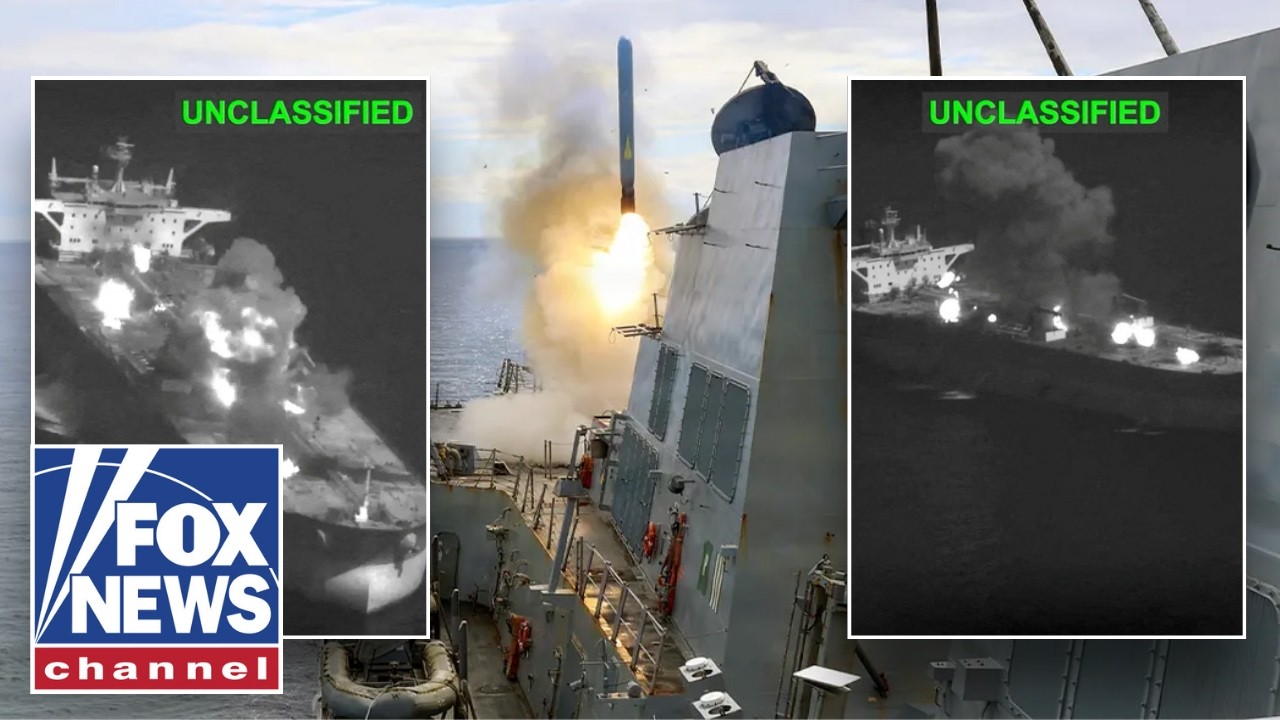
There were strikes that took place just before the agreed-upon deadline. Reports indicate that the U.S. struck the Kharg Island oil hub. Simultaneously, Israel conducted strikes targeting Iranian railways and bridges. These actions underscore the existing military posture and the difficulty of halting operations instantly.
Civilian Impact and Protective Measures
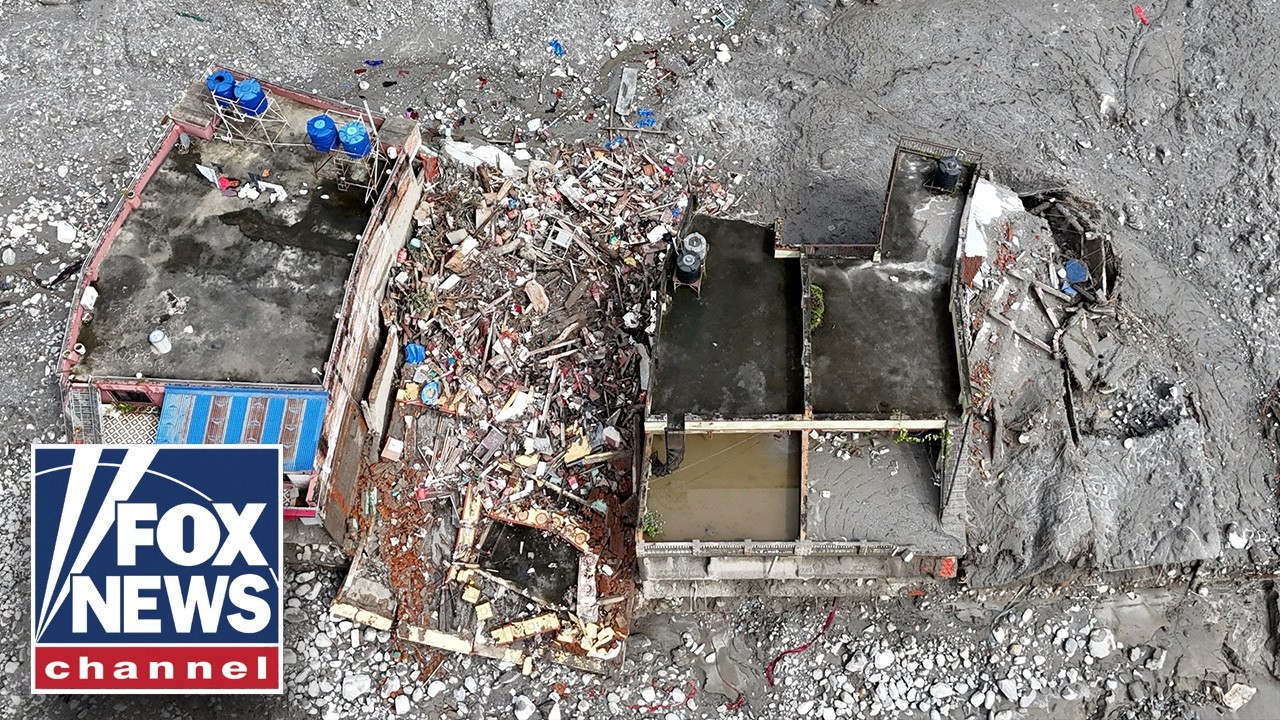
The pre-ceasefire actions had a humanitarian cost. Reports mentioned civilian casualties, with at least 18 civilians killed in one province due to these strikes. In response to potential threats against civilian infrastructure, news outlets reported Iran forming human chains around power plants. This was a visible, human demonstration aimed at deterring potential attacks on critical infrastructure.
The Future of Negotiations

The ceasefire is primarily a mechanism to facilitate ongoing talks. The success of this pause hinges on what happens at the negotiation table.
A Workable 10-Point Plan
President Trump has described Iran’s proposal as a “workable” 10-point plan that addresses past contentious issues. This suggests that significant groundwork has been laid. The ceasefire period is intended to allow for the finalization of this plan.
Iran’s Negotiation Stance
The U.S. administration noted that Iran negotiated “in good faith” in relation to a prior 15-point U.S. proposal. This indicates a degree of mutual engagement and a willingness from both sides to find common ground, even amidst significant disagreements. The two-week ceasefire offers a chance to build on this perceived good faith.
The Next Steps in Islamabad
Crucially, negotiations with the U.S. are scheduled to begin in Islamabad on Friday, shortly after the ceasefire takes effect. This meeting is where the substance of the peace plan will be hammered out. The outcome of these talks will determine whether this ceasefire can evolve into a more stable de-escalation.
International Scrutiny and Hopes
| Metrics | Data |
|---|---|
| Date of Ceasefire | April 7, 2026 |
| Duration of Conflict | 5 years |
| Number of Casualties | Estimated 150,000 |
| Parties Involved | Government forces, Rebel groups |
| Terms of Ceasefire | Disarmament, Humanitarian aid, Political negotiations |
The global community is watching closely. The potential for wider conflict has been a major concern, and this ceasefire offers a much-needed reprieve.
UN’s Call for Diplomacy
UN Secretary-General António Guterres has been vocal in urging diplomatic solutions and the reopening of the Strait of Hormuz. His statements reflect the international community’s desire for a peaceful resolution and the avoidance of further escalation.
Concerns Over War Crimes
The UN has also issued warnings regarding the potential implications of targeting civilian infrastructure. The organization flagged that threats against power plants and bridges could potentially be viewed as war crimes. This highlights the international legal framework at play and the scrutiny these actions are under.
Release of Detained Journalist
In a humanitarian gesture, news outlets reported that an Iranian militia is expected to release U.S. journalist Shelly Kittleson. This is a positive development, indicating some ability to resolve specific humanitarian issues even amidst broader tensions.
Looking Beyond the Two Weeks
While the focus is on the immediate ceasefire, the real challenge lies in what happens after these two weeks conclude.
Potential for Deeper Resolution
If the negotiations in Islamabad prove fruitful and the ceasefire holds, it could open the door for more sustained de-escalation. This would involve addressing the underlying issues that have led to the current conflict.
Risks of Renewed Hostilities
Conversely, if negotiations stall or if either side breaches the ceasefire, the risk of renewed and potentially more severe hostilities remains. The language from Iran, for instance, clearly states their intention to respond forcefully to errors, underlining the precariousness of the situation.
The Importance of Continued Dialogue
Ultimately, this two-week window is an opportunity. It’s a chance to step back from the precipice and engage in serious, focused dialogue. The success of April 7, 2026, won’t be measured solely by the absence of bombs, but by the progress made in building a foundation for lasting peace.
FAQs
What is the April 7, 2026 ceasefire?
The April 7, 2026 ceasefire refers to the agreement between warring parties to halt military operations and hostilities on that date.
Which countries or groups are involved in the April 7, 2026 ceasefire?
The specific countries or groups involved in the April 7, 2026 ceasefire will depend on the context of the article. Ceasefires can involve a wide range of parties, including national governments, rebel groups, and international organizations.
What prompted the April 7, 2026 ceasefire?
The reasons for the April 7, 2026 ceasefire can vary widely and may include diplomatic negotiations, international pressure, humanitarian concerns, or strategic calculations by the parties involved.
How long is the April 7, 2026 ceasefire expected to last?
The duration of the April 7, 2026 ceasefire will depend on the terms of the agreement and the willingness of the parties to adhere to those terms. Ceasefires can be temporary or can lead to more permanent peace agreements.
What are the potential implications of the April 7, 2026 ceasefire?
The potential implications of the April 7, 2026 ceasefire can include improved humanitarian conditions, opportunities for diplomatic negotiations, and the possibility of a lasting peace settlement. However, the actual outcomes will depend on the actions of the parties involved and the broader geopolitical context.

 One Place News