One Place News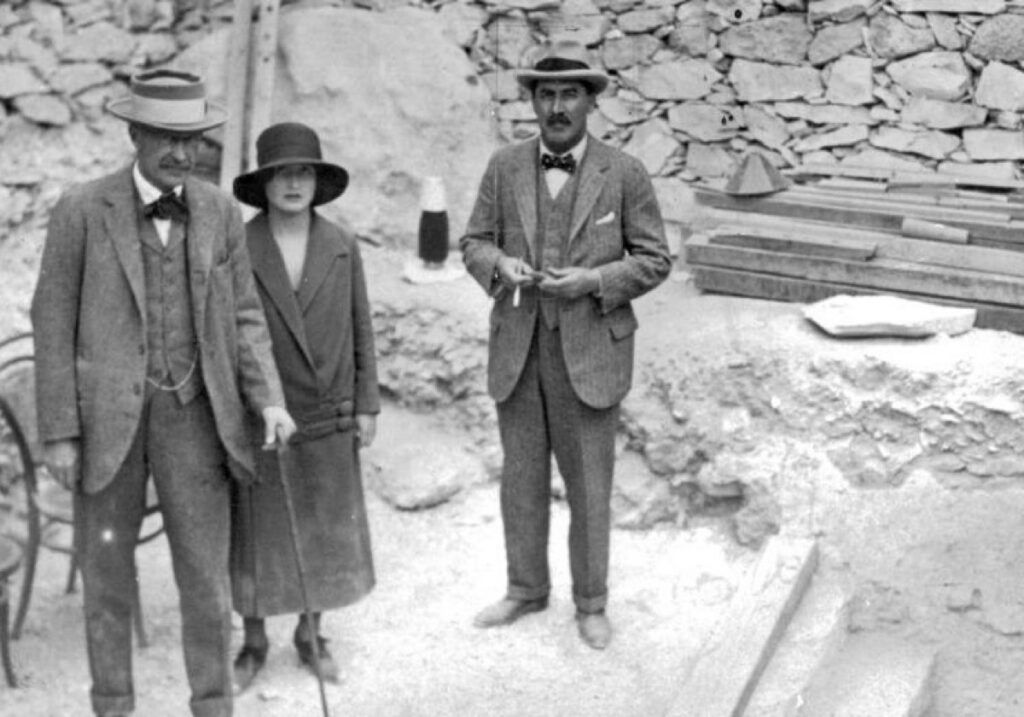
Mummified human and animal remains have long been in demand among collectors, and such items are sufficiently rare that their acquisition may involve unregulated, occasionally clandestine trade practices—if not outright illegal ones. According to the authors of a paper published in the International Journal of Cultural Property, the risks to would-be collectors aren’t just legal. Mummified remains may also pose a significant health hazard due to toxic substances used in their preservation and microbial growth due to improper storage. In fact, toxic spores or fungi are often cited as the source of the legendary “mummy’s curse” tied to the excavation of King Tutankhamen’s tomb.
Per the authors, the mummification process throughout history has relied on various toxic materials and substances to help preserve the remains—heavy metals like arsenic, mercury, and lead, for example—which is why careful handling is necessary to avoid adverse health effects. (Professionals typically don masks, gloves, and lab coats when working with such remains.) Various micro-organisms (bacteria, fungi, yeasts) can also lie dormant in the tissues for centuries and can recolonize and multiply due to a ready supply of organic material—particularly if the remains have been stored in suboptimal conditions.
A 1962 case, for example, revealed the presence of poisonous fungi spores in mummified remains that would cause respiratory inflammation and infection if inhaled, as well as fever. A 2013 study found that the hundreds of mummies on display at the Capuchin Catacombs in Palermo, Sicily, are prone to microbial and fungal growth after years of unstable environmental conditions. Similarly, in 2012, scientists identified three species of fungi (Aspergillus, Penicillium, and Stachybotrys) on human remains, coffins, walls, and in the air in the crypts of the Church of St. Peter and Paul in Krakow, Poland.