One Place News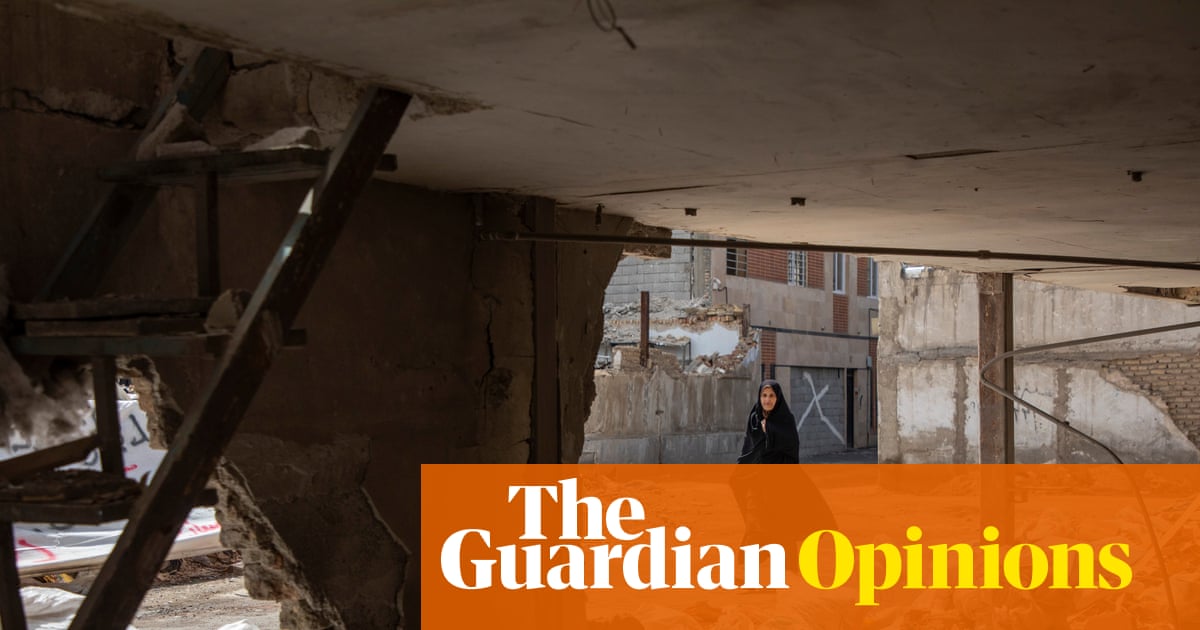
The president has blundered into a ‘forever war’ with Iran he can’t win, but refuses to end. Such hubris has a long history
It’s five years this month since the chaotic retreat of US forces from Kabul. The Nato-backed invasion and occupation of Afghanistan, launched after the 11 September 2001 terrorist attacks on New York City and Washington DC, is now widely regarded as a failure. It cost the lives of more than 2,400 US and 450 British troops, and tens of thousands of civilians (the exact number is unknown). Although al-Qaida terrorists were routed, their Taliban hosts reimposed repressive, misogynistic Islamist rule after regaining power in 2021. Afghanistan became a byword for ill-considered western interventionism and nation-building. It was the archetypal “forever war”, a phrase first coined during Vietnam.
If this cautionary tale had any lasting value, it was as a deterrent to politicians and generals tempted to rashly embark on open-ended conflicts without just cause, defined, achievable aims, and an exit strategy. Dismayingly, the forever war lesson had to be learned all over again in Iraq, which the US and UK invaded in 2003 and departed, having caused huge harm for scant benefit, in 2011. “Never again!” was the passionate cry at the time and since. And yet, it seems, the same disastrous pattern is now repeating after Donald Trump’s incomprehensibly foolish decision to attack Iran. A war he termed a “little excursion” is entering its sixth month and has been escalating rapidly. It, too, has a forever feel.