One Place News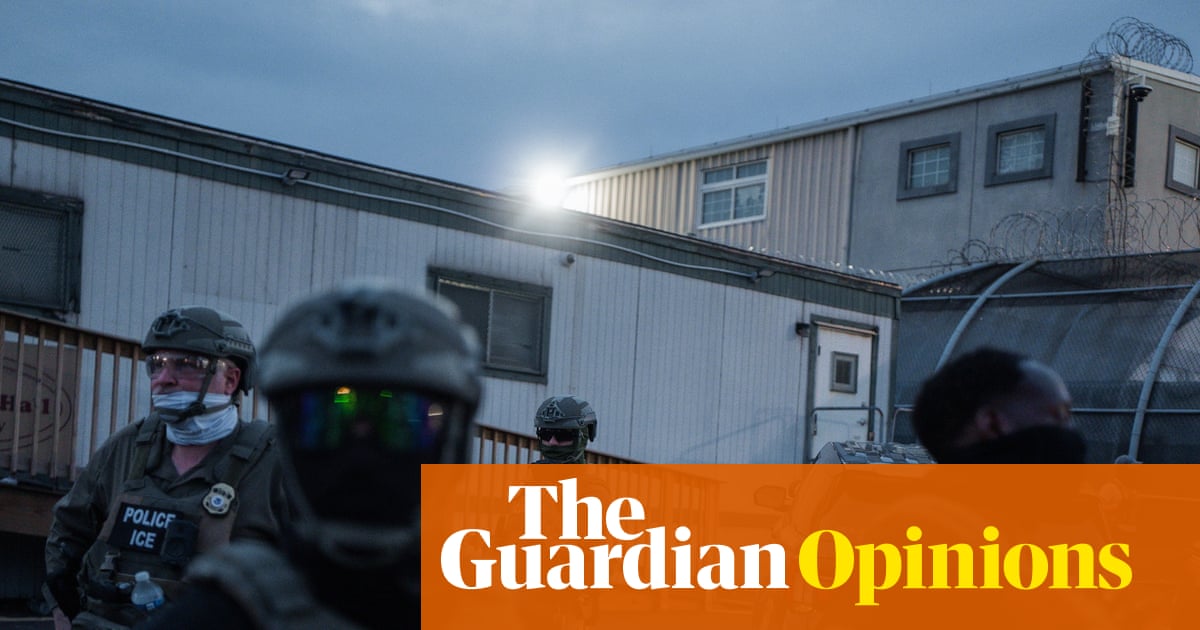
I’ve spent a decade reporting on immigration enforcement. The word ‘camp’ best captures the political function of these facilities
We don’t have concentration camps today in the United States, but we have something close. More than 65,000 people are currently confined in demeaning, often dangerous, sometimes torturous and increasingly deadly conditions not because they have committed a crime, but because they have committed the civil infraction of being on the wrong side of a border. They are ripped from their homes, their families, their jobs and are shipped hundreds of miles away where they languish in squalid, freezing cold and punishing conditions with limited and sometimes no access to lawyers, loved ones, nutritious food, sunlight or medical care. At least 52 people have died in ICE custody since the second Trump administration came into office. Tens of thousands have been held in solitary confinement.
Oversight mechanisms of these facilities have been gutted, members of Congress have been turned away, and ICE has stopped reporting basic and legally mandated data about who is inside and what happens to them. The rapid expansion of the detention system, the inherent inhumanity of policing human mobility, and lack of oversight is partly why a woman in Arizona, who has been detained for 16 months without proper medical care to treat her leukemia, has reportedly lost more than 70lb and is regularly vomiting blood. It’s why people in a now shuttered camp in Florida were allegedly subjected to a two-by-two-foot outdoor punishment cage. The stories that leak out of these camps should terrify not only the migrants directly targeted, but should alarm the conscience of us all.