\n\n

Google's SynthID watermark is hard to break, but it doesn't solve AI disinformation

The scale of AI-generated media can be hard to grasp.

Starling Lab, a research collaboration from Stanford University and the University of Southern California, estimates that it took until 1975—149 years after the invention of the camera—for humanity to create 1.5 billion images. It took generative AI just 18 months to do the same. And AI didn’t stop there.

This spring, Google announced at I/O that its tools had been used to create more than 100 billion AI images and videos in just a couple of years, and Google is far from the only source of AI content. The company coupled this staggering statistic with a slew of partnerships to expand the use of its SynthID watermarking technology, which can be used to label AI-generated content and potentially help people identify what’s real.

Read full article

Comments

Related Posts

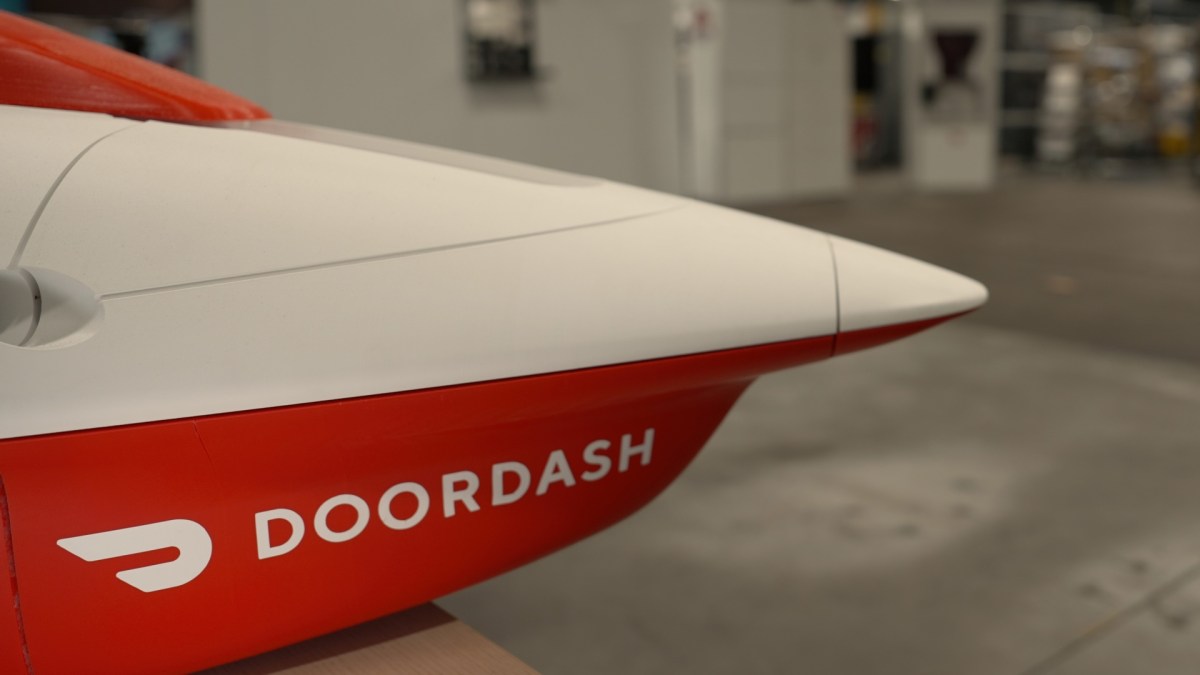
DoorDash is building its own drone delivery business

DoorDash has received FAA approval to operate a commercial drone delivery service in the United States.

Encore AI raises $30M to build AI agents that learn from customer calls

The startup analyzes calls, messages, and CRM data to identify effective sales techniques and turn them into playbooks for AI agents.

Leave a Reply

Your email address will not be published. Required fields are marked *

You Missed

Hiring Veterans: Jobs of the week for July 27, 2026

Hiring Veterans: Jobs of the week for July 27, 2026

Ambient Scribe reimagines the VA clinic experience

Ambient Scribe reimagines the VA clinic experience

Sometimes support starts with one conversation

Sometimes support starts with one conversation

DoorDash is building its own drone delivery business

DoorDash is building its own drone delivery business

Encore AI raises $30M to build AI agents that learn from customer calls

Encore AI raises $30M to build AI agents that learn from customer calls

Perplexity employee who worked on Comet launches an AI browser aimed at knowledge work

Perplexity employee who worked on Comet launches an AI browser aimed at knowledge work