
Lunar orbiter spots ‘once-in-a-lifetime’ new crater on the moon – CNN
Lunar orbiter spots ‘once-in-a-lifetime’ new crater on the moon CNNNASA’s Moon Orbiter Spots New, ‘Once-in-Century’ Moon Crater NASA Science (.gov)What a Massive New Crater Means for Future Moon Bases The New York TimesA routine quality check on a Moon map turned up a bright spot ringed by a dark halo, and it marked a 222-metre crater that did not exist before spring 2024, the largest newly formed crater yet found anywhere in the solar system Space DailyA giant new crater on the moon photo of the day for Sept. 21, 2026 Space
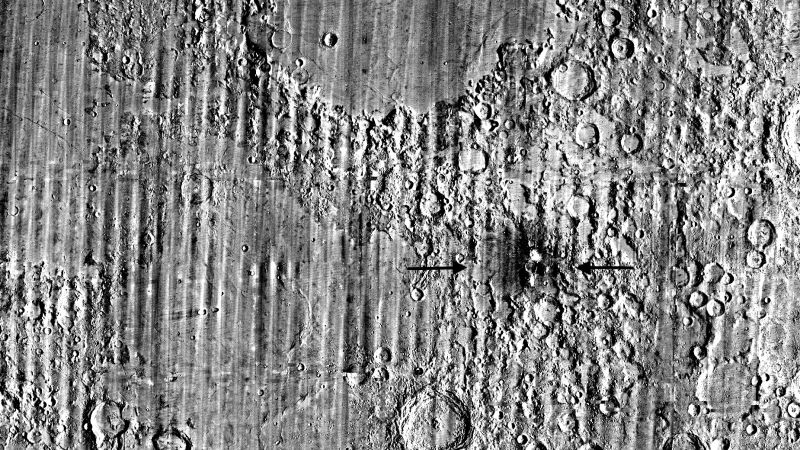
The moon’s surface experienced a violent encounter with a comet or an asteroid — and has a massive battle scar to prove it. The space rock, estimated to be the size of a building three to six stories tall, slammed into the moon’s eastern edge two years ago, between April 11 and May 22, 2024, although researchers didn’t notice it at the time. The impact left behind a crater measuring 728 feet (222 meters) wide, or just over the length of two football fields.
Spotted last year, the crater also reaches 141 feet (43 meters) deep — room for three school buses stacked atop one another. Scientists said the lunar feature marks the largest newly formed crater ever found in the solar system since humans have monitored such features, according to a study published Wednesday in the journal Science Advances. “Crater production models indicate that an impact of this magnitude is expected to occur only once every 132 years
Source & Attribution
This One Place News story was acquired from news.google.com. OPN retains the source link and provenance for newsroom review.
Filed Under
Breaking News